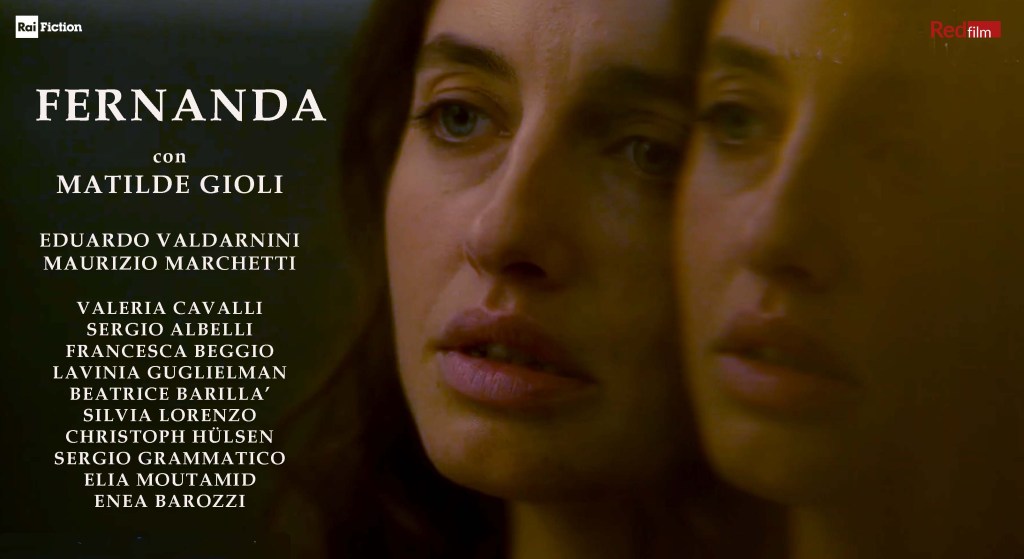
FERNANDA
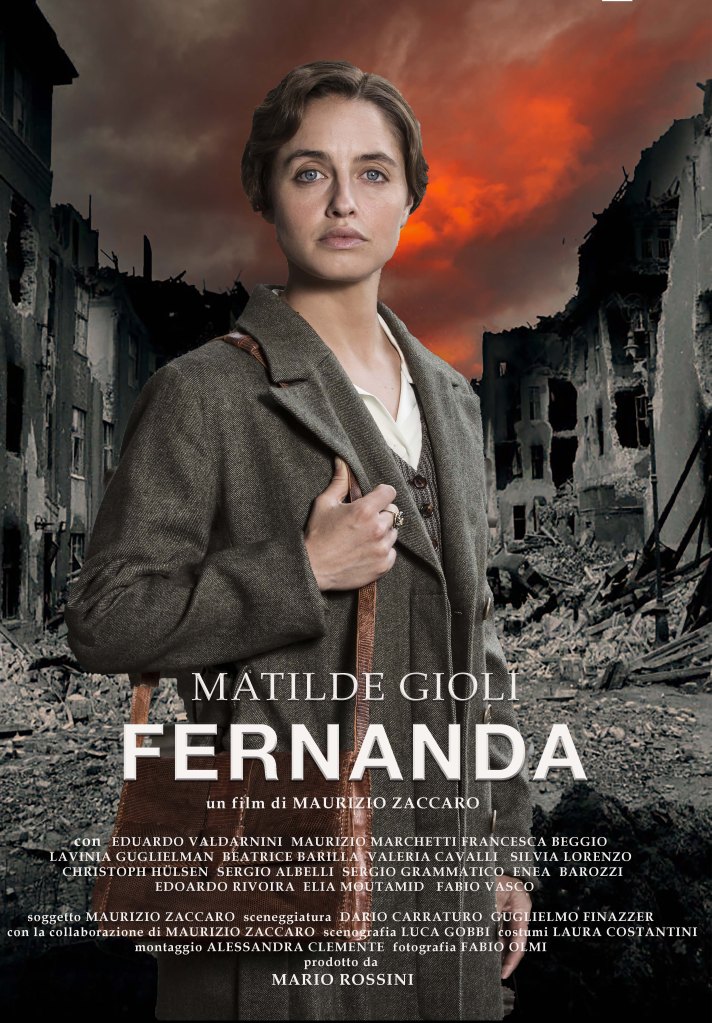
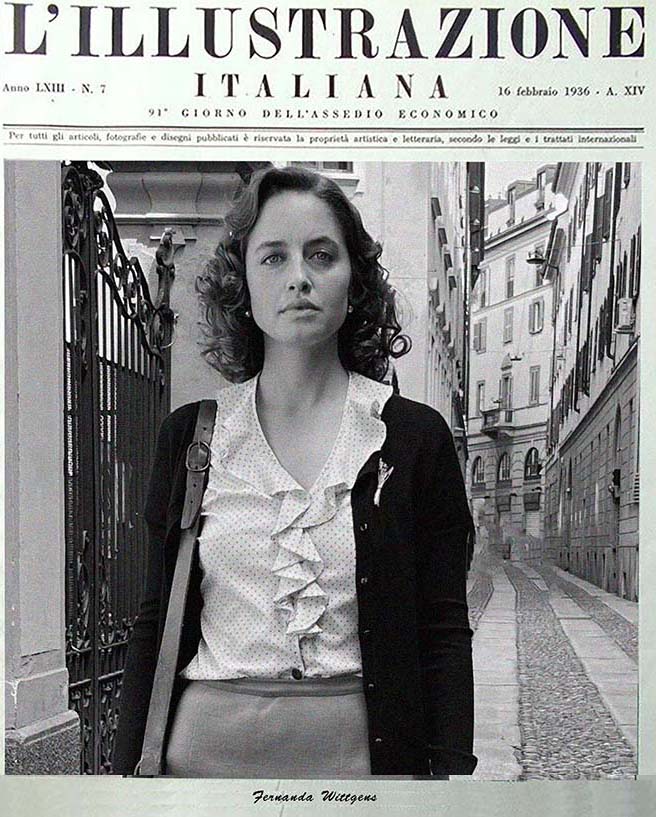
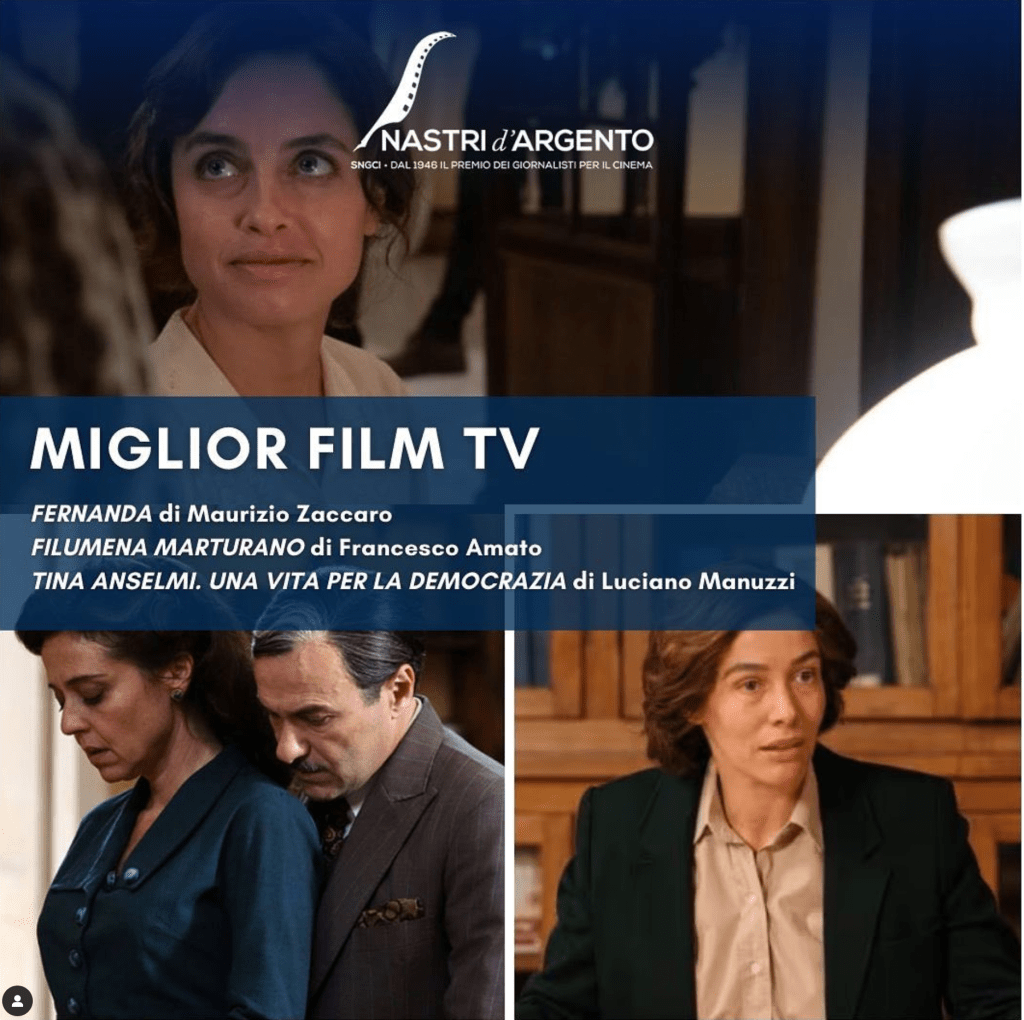
FERNANDA è visibile integralmente qui:
https://www.raiplay.it/video/2023/01/Fernanda-fd573ffe-6799-4a06-b337-aca5850c2341.html
COMUNICATO STAMPA
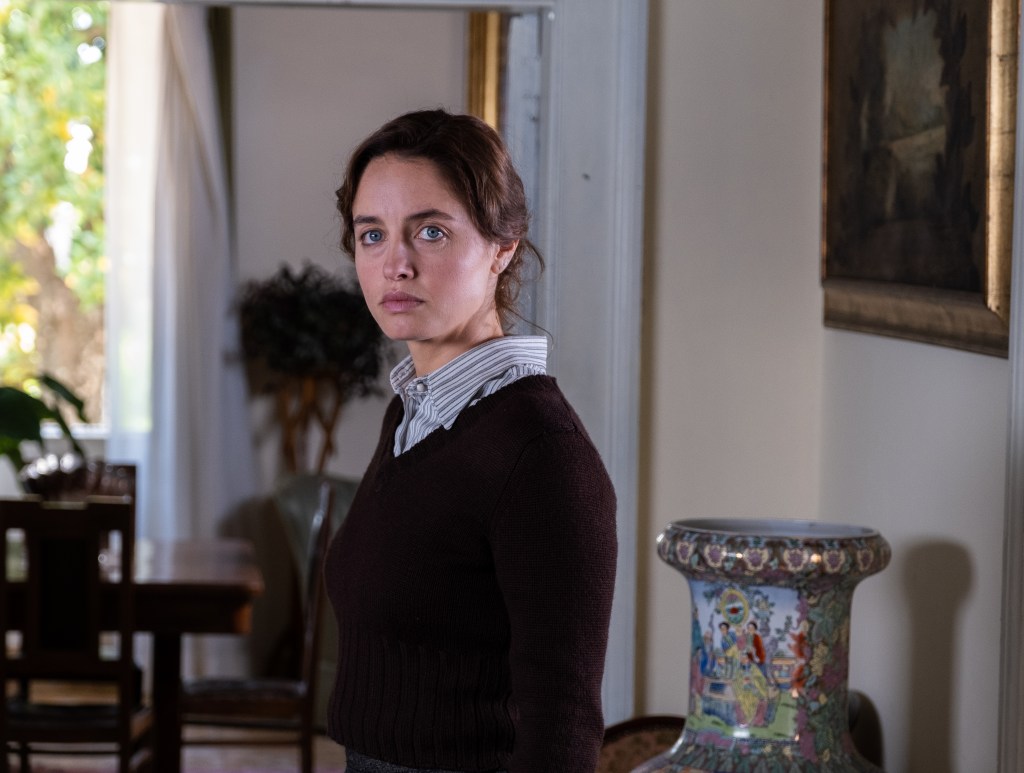
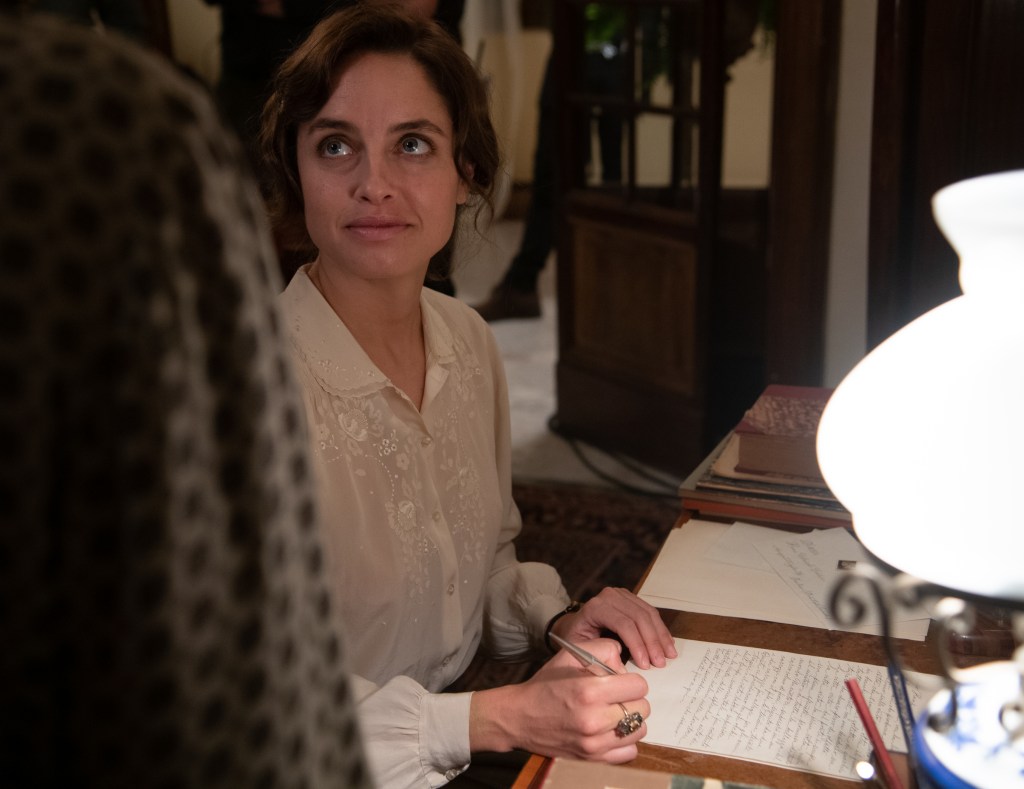
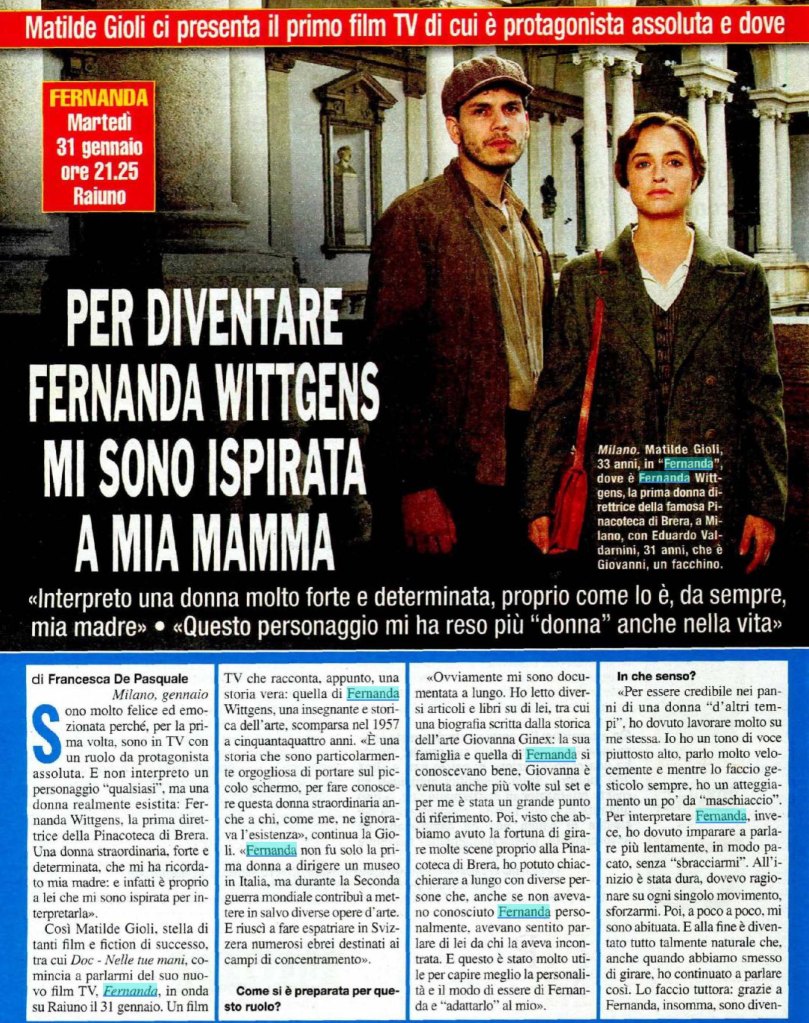
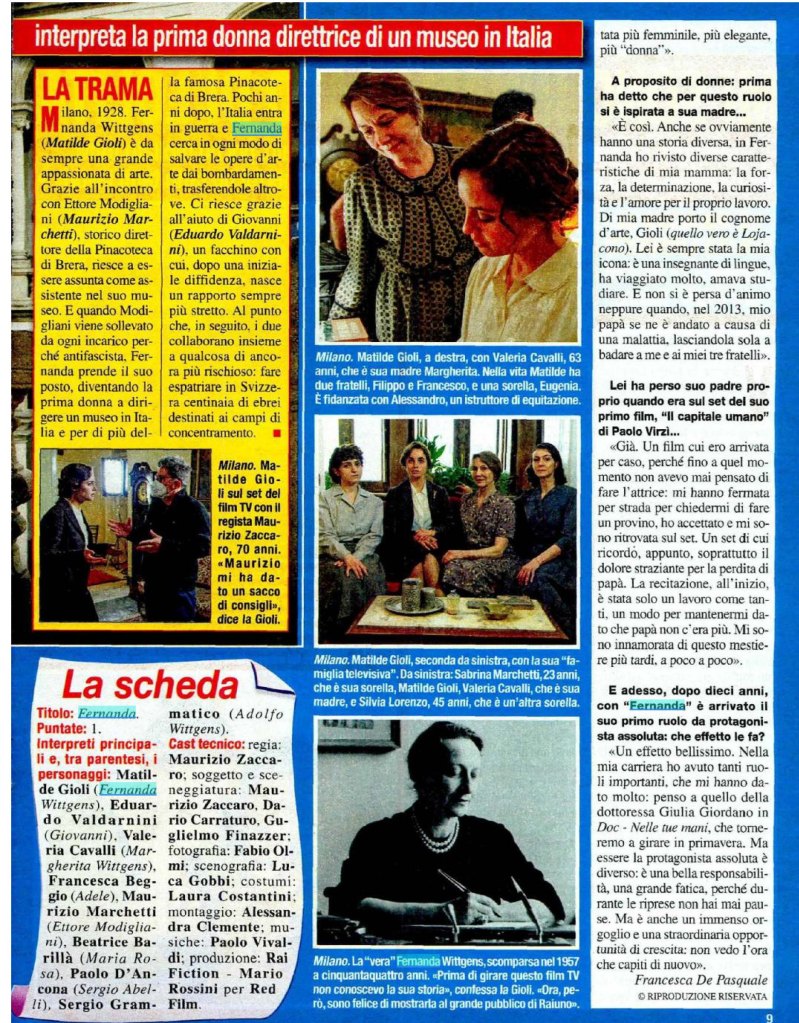
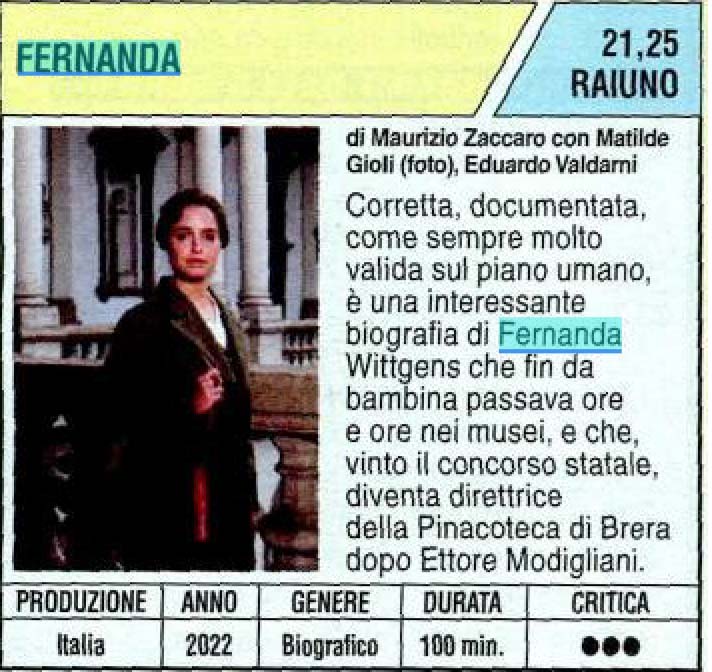
Film tv diretto da Maurizio Zaccaro con Matilde Gioli ed Eduardo Valdarnini.
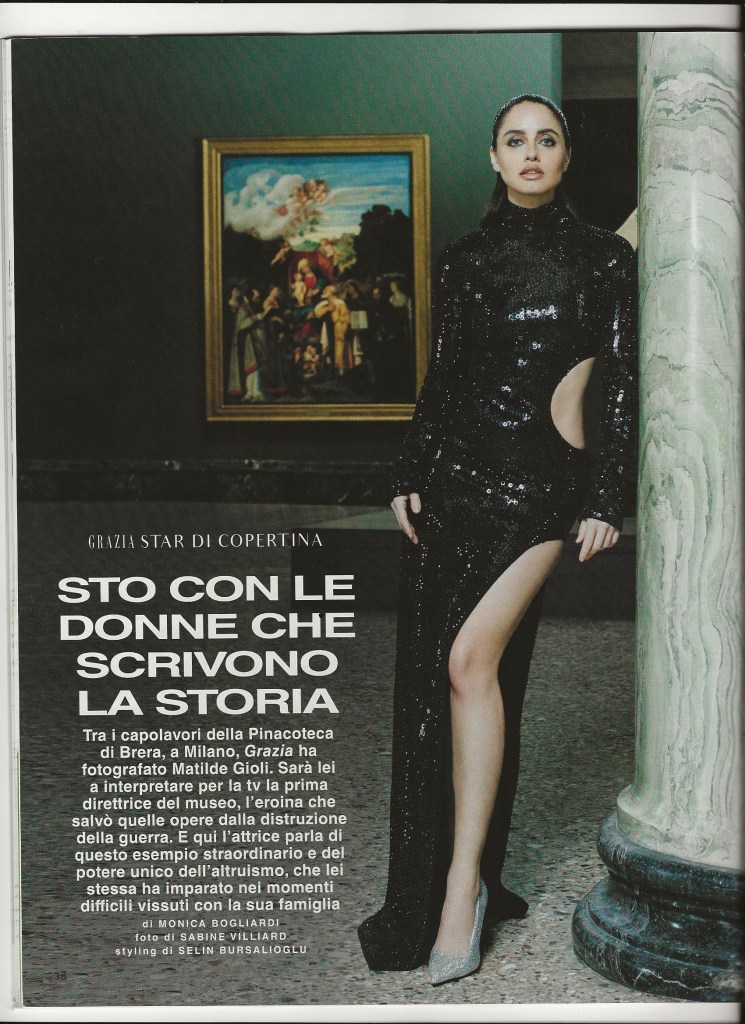
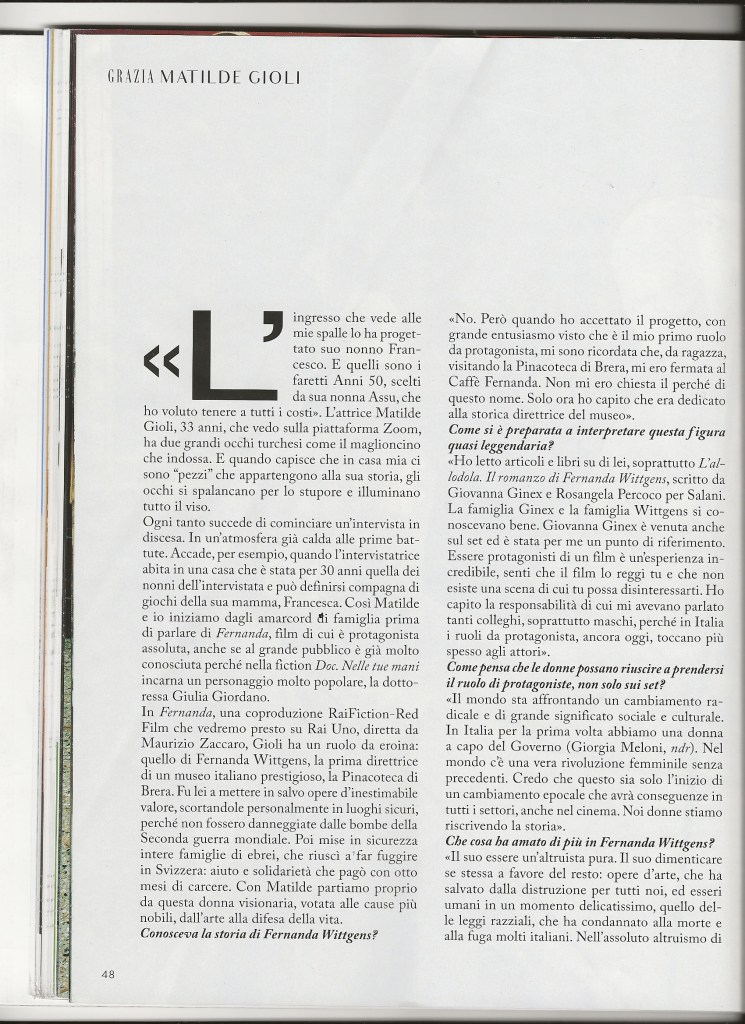
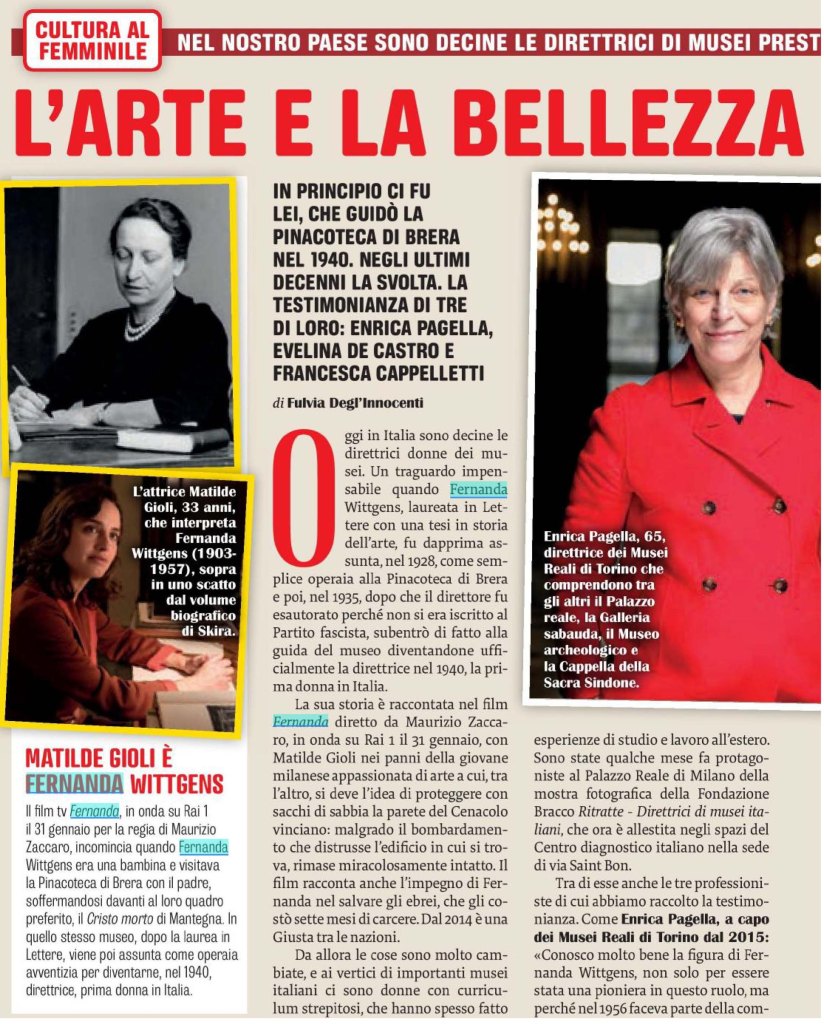
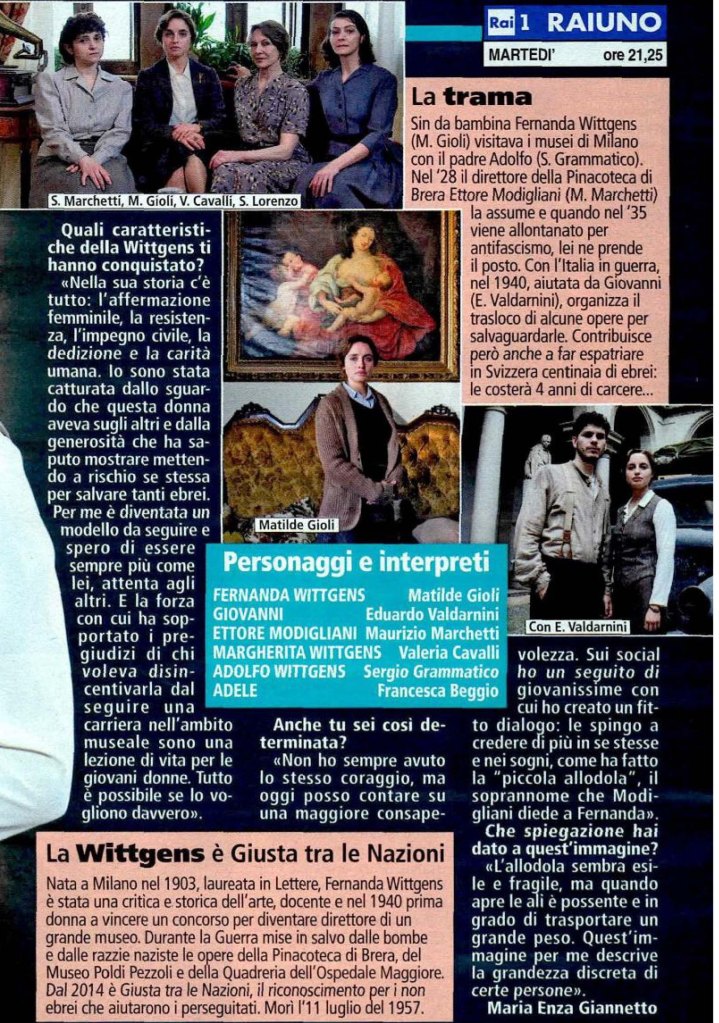
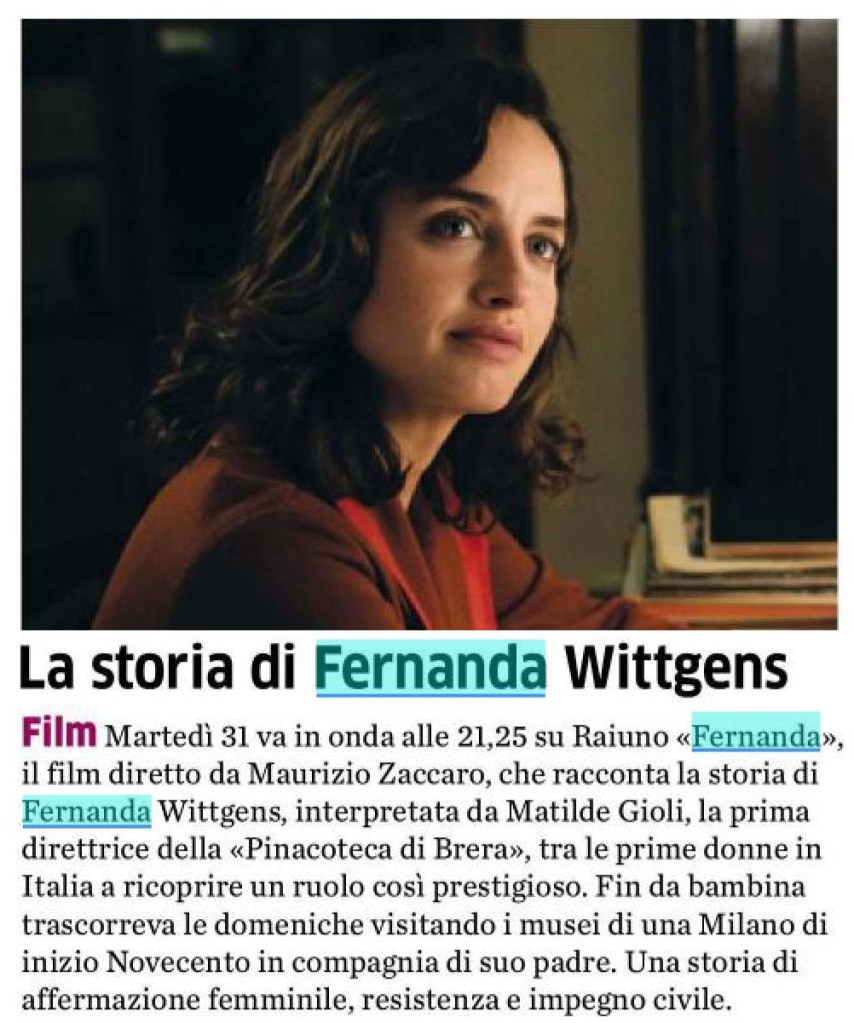
Una coproduzione Rai Fiction – Red Film prodotta da Mario Rossini che racconta la storia di Fernanda Wittgens, la prima direttrice della Pinacoteca di Brera, tra affermazione femminile, Resistenza, impegno civile, sacrificio per l’arte e per le vite altrui.
PRESS RELEASE
TV film directed by Maurizio Zaccaro with Matilde Gioli and Eduardo Valdarnini.
A Rai Fiction – Red Film co-production produced by Mario Rossini that tells the story of Fernanda Wittgens, the first director of the Pinacoteca di Brera, between female affirmation, Resistance, civil commitment, sacrifice for art and for the lives of others.
——-
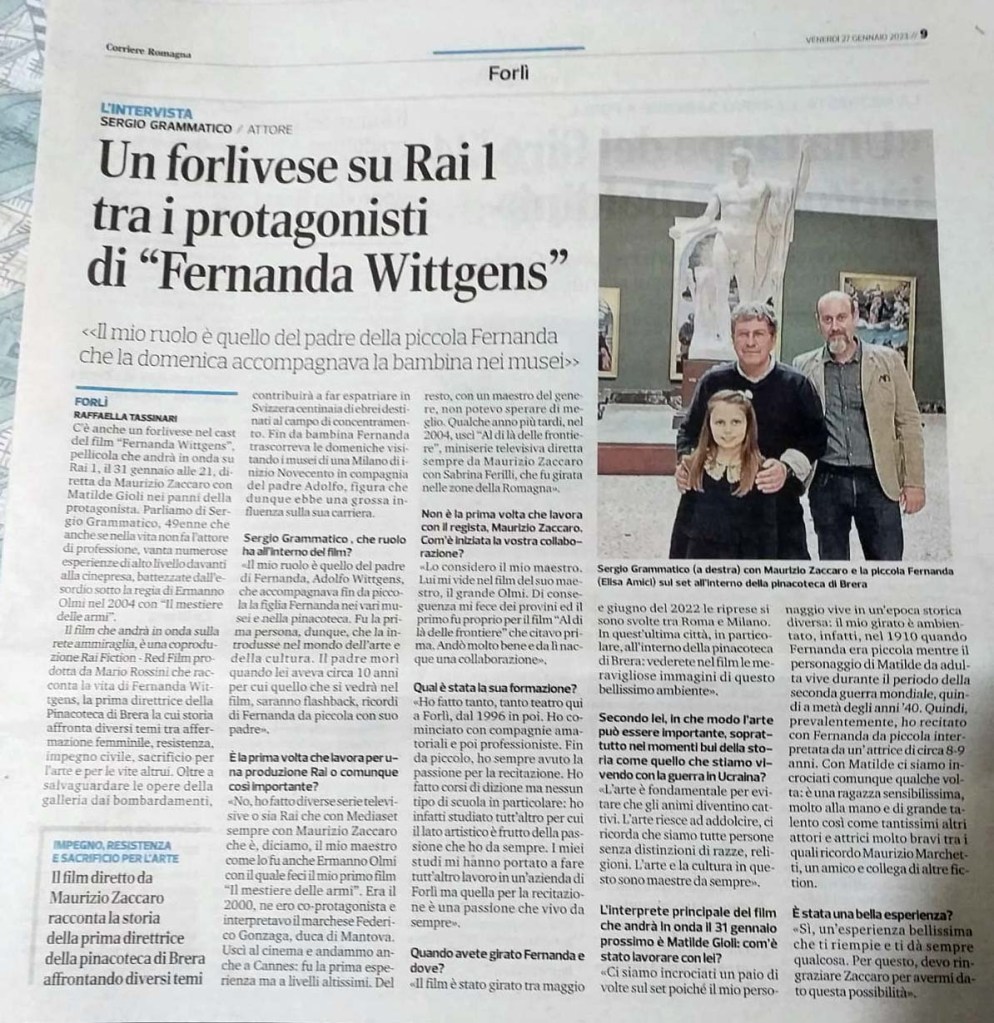
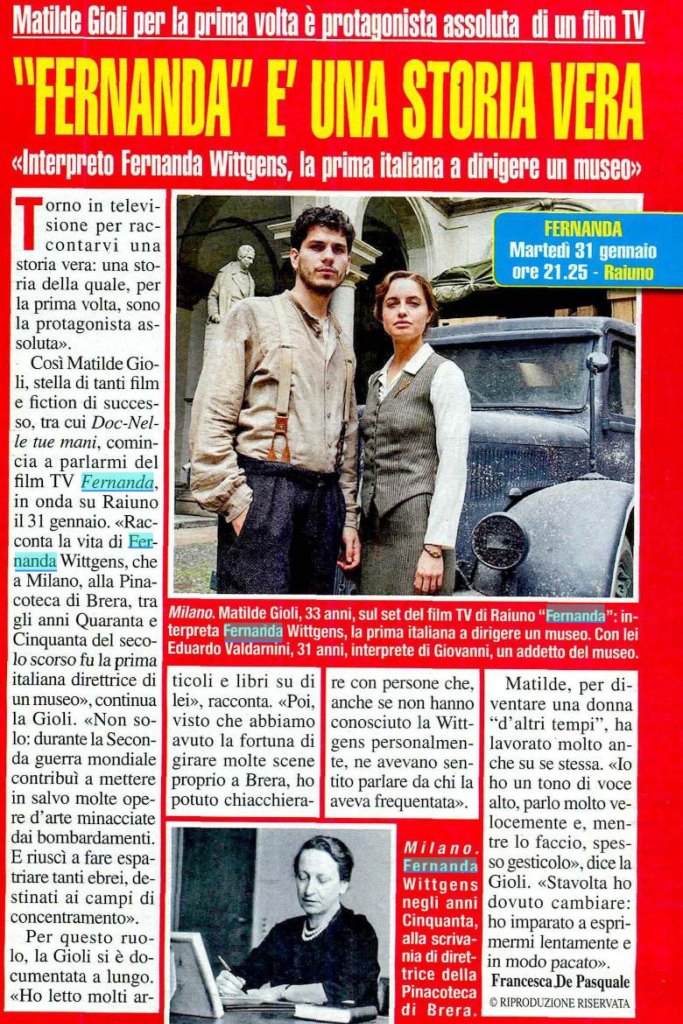
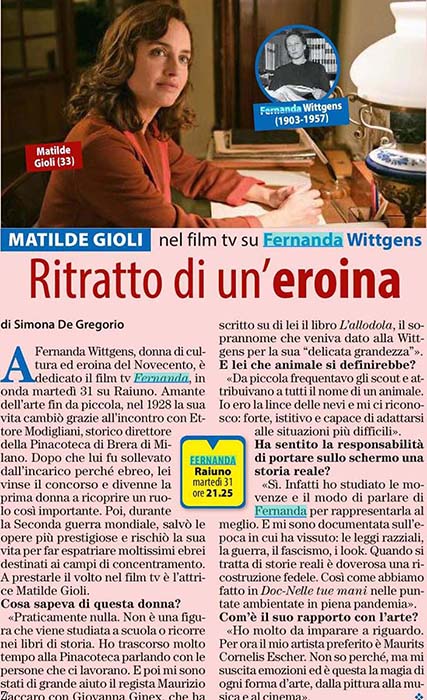
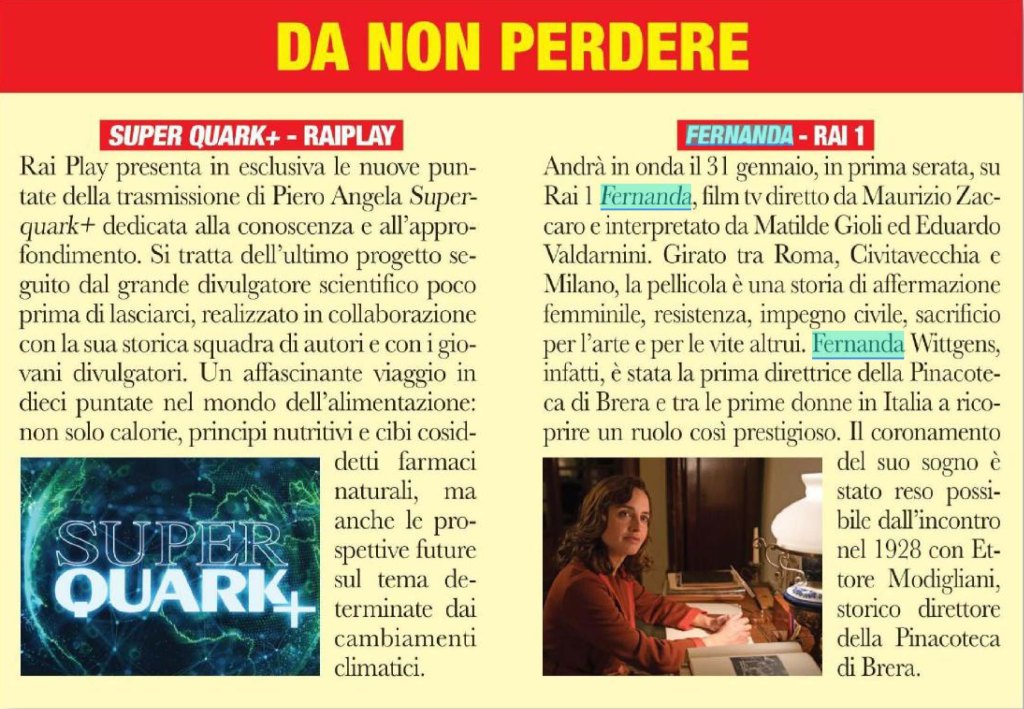
Girato tra Roma, Civitavecchia e Milano, il film è una storia di affermazione femminile, Resistenza, impegno civile, sacrificio per l’arte e per le vite altrui. Fernanda Wittgens è stata la prima direttrice della Pinacoteca di Brera e tra le prime donne in Italia a ricoprire un ruolo così prestigioso. Fin da bambina trascorreva le domeniche visitando i musei di una Milano di inizio Novecento in compagnia del padre Adolfo. Il coronamento del suo sogno è reso possibile dall’incontro nel 1928 con Ettore Modigliani, storico direttore della Pinacoteca di Brera. Un incontro che le cambia la vita: viene assunta come “operaia avventizia” e quando Ettore Modigliani viene sollevato da ogni incarico in quanto antifascista, Fernanda prende il suo posto diventando la prima donna a ricoprire un ruolo così importante nella Pinacoteca e nella Storia. Pochi anni dopo, l’Italia entra in guerra e salvaguardare le opere della galleria dai bombardamenti diventa un imperativo: nel giugno del 1940, Fernanda partecipa al primo trasloco di alcune delle opere ospitate in Pinacoteca. Quindi, si impegna in un qualcosa di ancora più rischioso: all’oscuro anche della sua famiglia, contribuisce a far espatriare in Svizzera centinaia di ebrei destinati al campo di concentramento. Ma è proprio da un giovane collaborazionista che viene tradita e arrestata insieme alle sue amiche e collaboratrici. Viene condannata a quattro anni di carcere, poi ridotto a uno, ma la guerra è agli sgoccioli
Durata: 100′
Rai Fiction
Shot in Rome, Civitavecchia and Milan, the film is a story of female affirmation, Resistance, civic engagement, and sacrifice for art and the lives of others. Fernanda Wittgens was the first director of the Pinacoteca di Brera and among the first women in Italy to hold such a prestigious position. Even as a child she spent her Sundays visiting the museums of an early 20th-century Milan in the company of her father Adolfo. The fulfillment of her dream was made possible by her meeting in 1928 with Ettore Modigliani, the historic director of the Pinacoteca di Brera. It was a life-changing encounter: she was hired as an “adventitious worker,” and when Ettore Modigliani was relieved of all duties as an anti-fascist, Fernanda took his place, becoming the first woman to hold such an important role in the Pinacoteca and in History. A few years later, Italy entered the war and safeguarding the gallery’s works from bombing became an imperative: in June 1940, Fernanda participated in the first move of some of the works housed in the Pinacoteca. She then engages in something even riskier: unaware even of her own family, she helps to expatriate to Switzerland hundreds of Jews destined for the concentration camp. But it is precisely by a young collaborator that she is betrayed and arrested along with her friends and collaborators. She is sentenced to four years in prison, later reduced to one, but the war is winding down.
Lenght: 100′
RAI FICTION
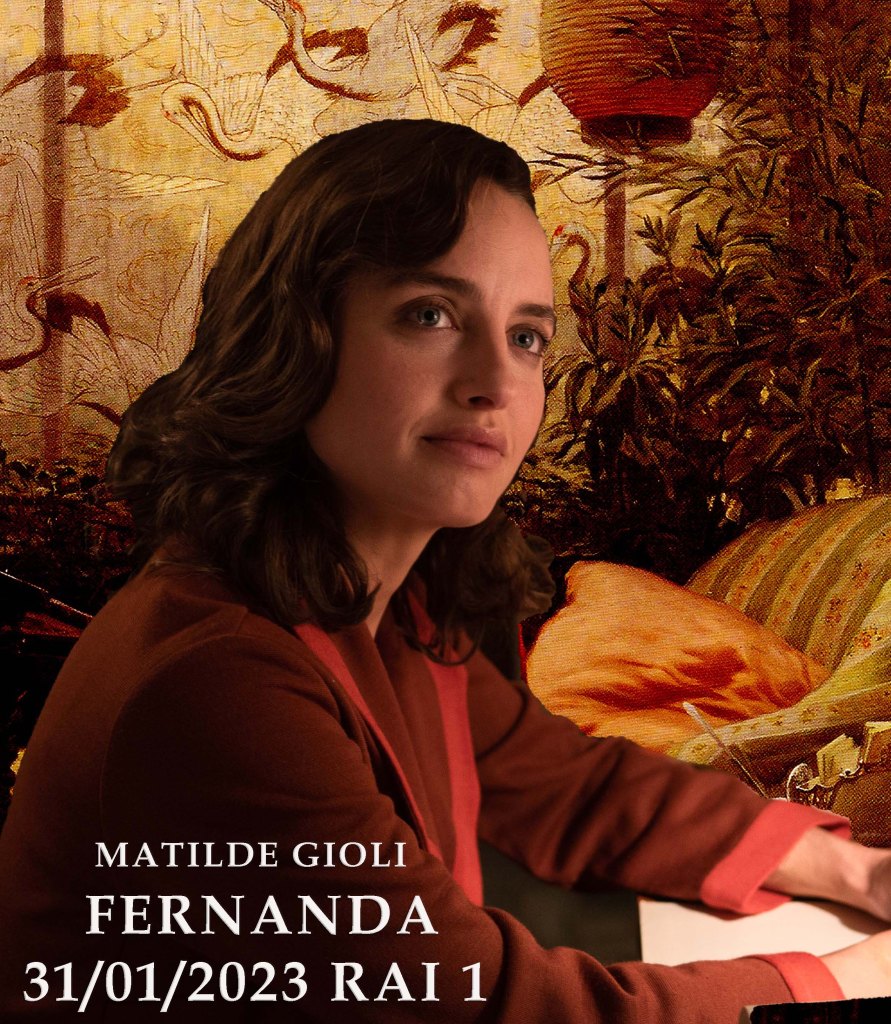
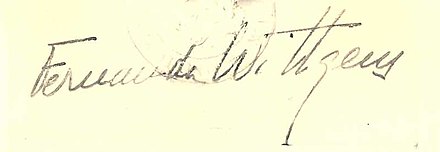
“La mia vera natura è quella di una donna a cui il destino ha dato compiti da uomo. Ma che li ha sempre assolti senza tradire l’affettività femminile”. Fernanda Wittgens
“My true nature is that of a woman to whom fate has given manly tasks. But who has always fulfilled them without betraying feminine affectivity.” Fernanda Wittgens
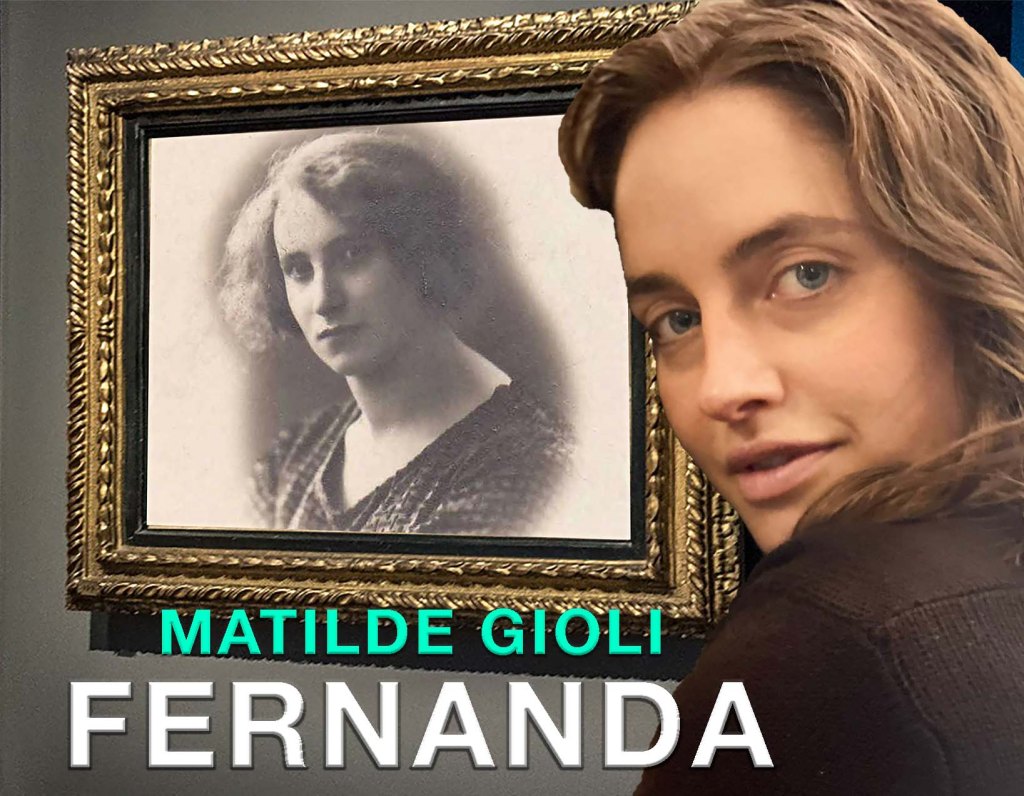
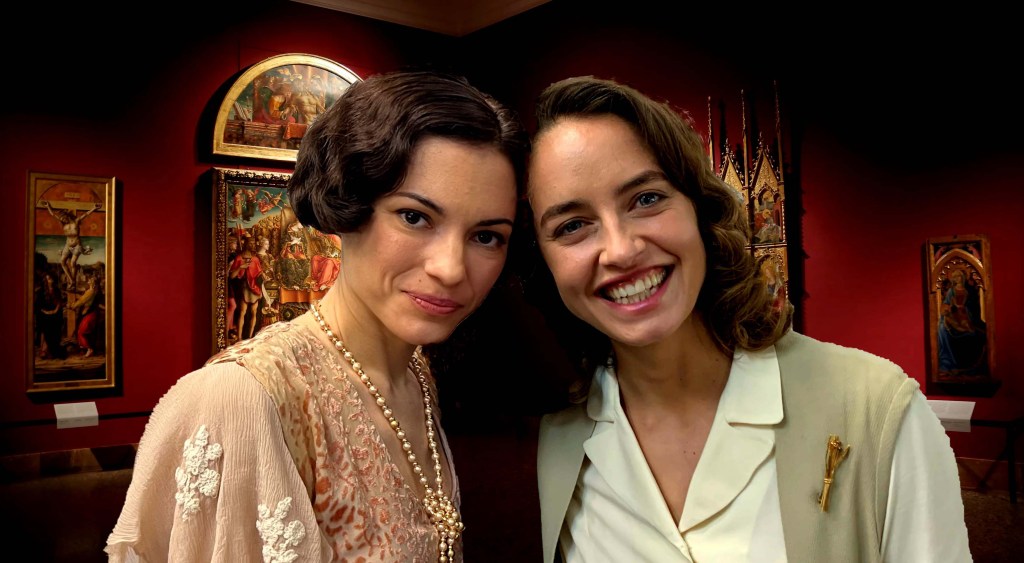
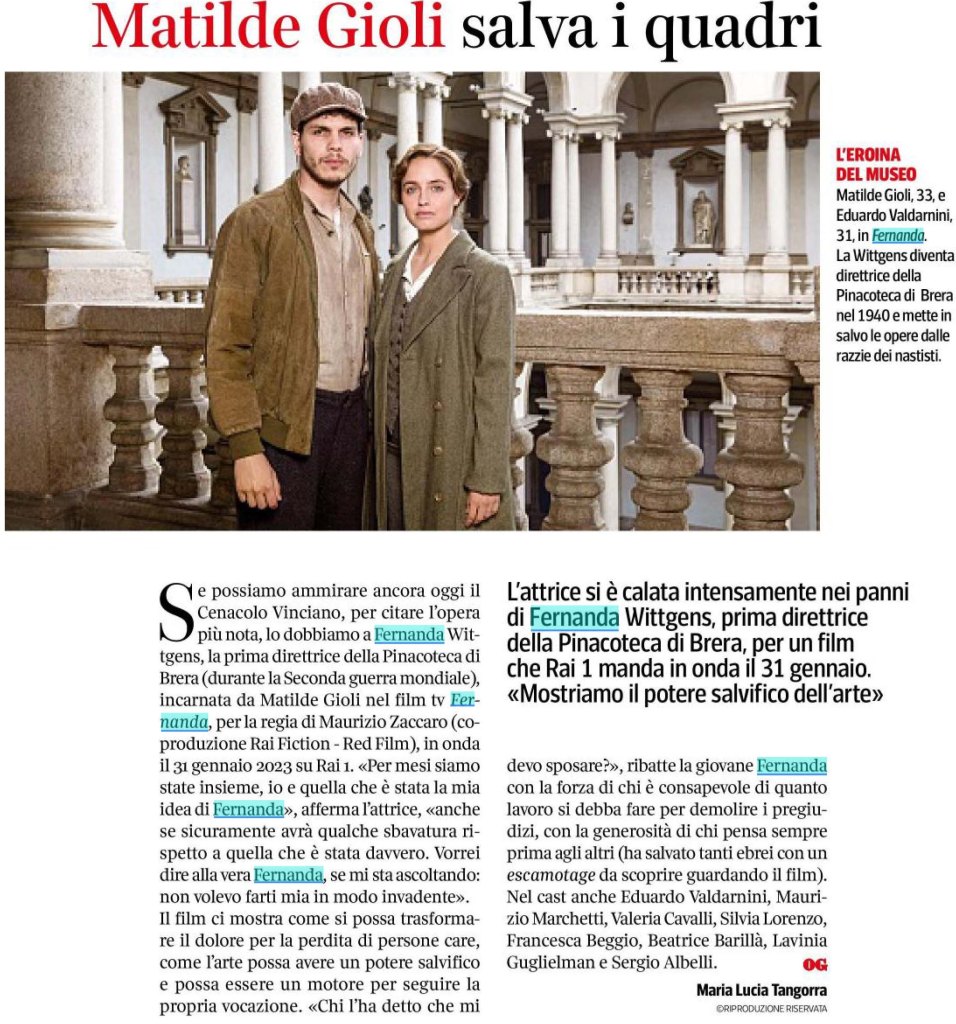
Eduardo Valdarnini (Giovanni) e Matilde Gioli (Fernanda Wittgens)
NOTA DI REGIA
“Cara mamma, sempre ti ho detto che io davo alla famiglia quanto potevo, ma mai avrei sacrificato ad essa il mio pensiero e i miei ideali. Non si può e non sarebbe giusto tradire se stessi neppure per gli affetti più cari…”
Fernanda Wittgens, lettera alla madre dal carcere di San Vittore, Milano, ottobre 1944
___________
Esistono fra le pieghe della nostra storia eventi nascosti che per il loro straordinario impatto umano muovono ancora grandi emozioni. Appunto per questo il primo fra i motivi che deve rendere credibile non solo l’interpretazione della nostra protagonista ma anche quella di tutti i personaggi che man mano interagiscono con lei non è solo la ricchezza d’informazioni e aneddoti, ma soprattutto la commistione di generi per raccontare la nostra memoria, che altrimenti non esisterebbe se non nella sua forma stinta dal tempo, sfocata.
In questa confluenza di stili, Fernanda assume così un significato universale, svelando il disegno a cui la protagonista è stata predestinata: salvare non solo gli inestimabili tesori d’arte custoditi nella Pinacoteca di Brera di Milano ma anche la vita di tanti ebrei, perseguitati dai fascisti e dai nazisti dopo le famigerate leggi razziali del 1938.
Per fare un film su Fernanda Wittgens però non bastano le informazioni, anche se ben dettagliate che abbiamo sulla sua vita, soprattutto negli anni più bui della Pinacoteca minacciata dai bombardamenti, occorre soprattutto adattare con originalità e con un pizzico di immaginazione tutta la vicenda.
Il resto è lontano, quasi cancellato dal tempo. Ed è per questo che oggi, in un’epoca altrettanto buia e drammatica come quella che stiamo vivendo, ci apprestiamo a riportare fra noi Fernanda Wittgens. Perché è proprio del suo esempio che l’umanità ha un estremo bisogno. E lo facciamo con il pensiero rivolto ad un altro grande artista milanese, Giorgio Strehler, quando il giorno dopo la strage di Piazza Fontana disse agli attori del Piccolo Teatro: “Che cosa possiamo fare noi gente di teatro? Alla mortificazione di non poter opporre, in momenti simili, un qualsiasi gesto utile, di fronte alla dolorosa impotenza del teatro, o piu’ ampiamente dell’arte, di fronte alla violenza e alla follia, l’artista puo’ solo sforzarsi di continuare a fare bene il proprio lavoro.“
Fernanda è quindi una storia che chiede d’essere narrata con il dovuto rispetto, perché oltre alla vicenda personale di questa coraggiosa donna milanese, il film può diventare anche una splendida occasione per raccontare Arte e Bellezza come uniche armi possibili contro guerre insensate, orribili stragi e devastazioni. “L’arte è una della più alte forme di difesa dell’umamo” diceva Fernanda Wittgens.
Maurizio Zaccaro, dicembre 2022
DIRECTOR’S NOTE.
“Dear Mother, I always told you that I gave as much to the family as I could, but I would never sacrifice my thoughts and ideals to it. One cannot and would not be right to betray oneself even for the dearest affections…”
Fernanda Wittgens, letter to her mother from San Vittore prison, Milan, October 1944
There are among the folds of our history hidden events that by their extraordinary human impact still move great emotions. Precisely for this reason, the first among the reasons that must make credible not only the interpretation of our protagonist but also that of all the characters who as they interact with her is not only the wealth of information and anecdotes, but above all the mixing of genres to tell our memory, which otherwise would not exist except in its time-worn, blurred form.
In this confluence of styles, Fernanda thus takes on a universal significance, revealing the design to which the protagonist was predestined: to save not only the priceless art treasures housed in Milan’s Pinacoteca di Brera but also the lives of so many Jews, persecuted by the Fascists and the Nazis after the infamous racial laws of 1938.
To make a film about Fernanda Wittgens, however, it is not enough to have the information, even if it is well detailed, that we have about her life, especially in the darkest years of the Pinacoteca threatened by the bombings; above all, it is necessary to adapt the whole story with originality and a touch of imagination.
The rest is distant, almost erased by time. And that is why today, in an era as dark and dramatic as the one we are living through, we are about to bring Fernanda Wittgens back among us. For it is precisely her example that humanity sorely needs. And we do so with thoughts turned to another great Milanese artist, Giorgio Strehler, when the day after the Piazza Fontana massacre he said to the actors of the Piccolo Teatro: “What can we theater people do? To the mortification of not being able to oppose, in such moments, any useful gesture, in the face of the painful impotence of the theater, or more broadly of art, in the face of violence and madness, the artist can only strive to continue to do his work well.”
Fernanda is therefore a story that asks to be told with due respect, because in addition to the personal story of this courageous Milanese woman, the film can also become a splendid opportunity to tell about Art and Beauty as the only possible weapons against senseless wars, horrible massacres and devastation. “Art is one of the highest forms of defense of the human being,” said Fernanda Wittgens.
Maurizio Zaccaro, December 2022
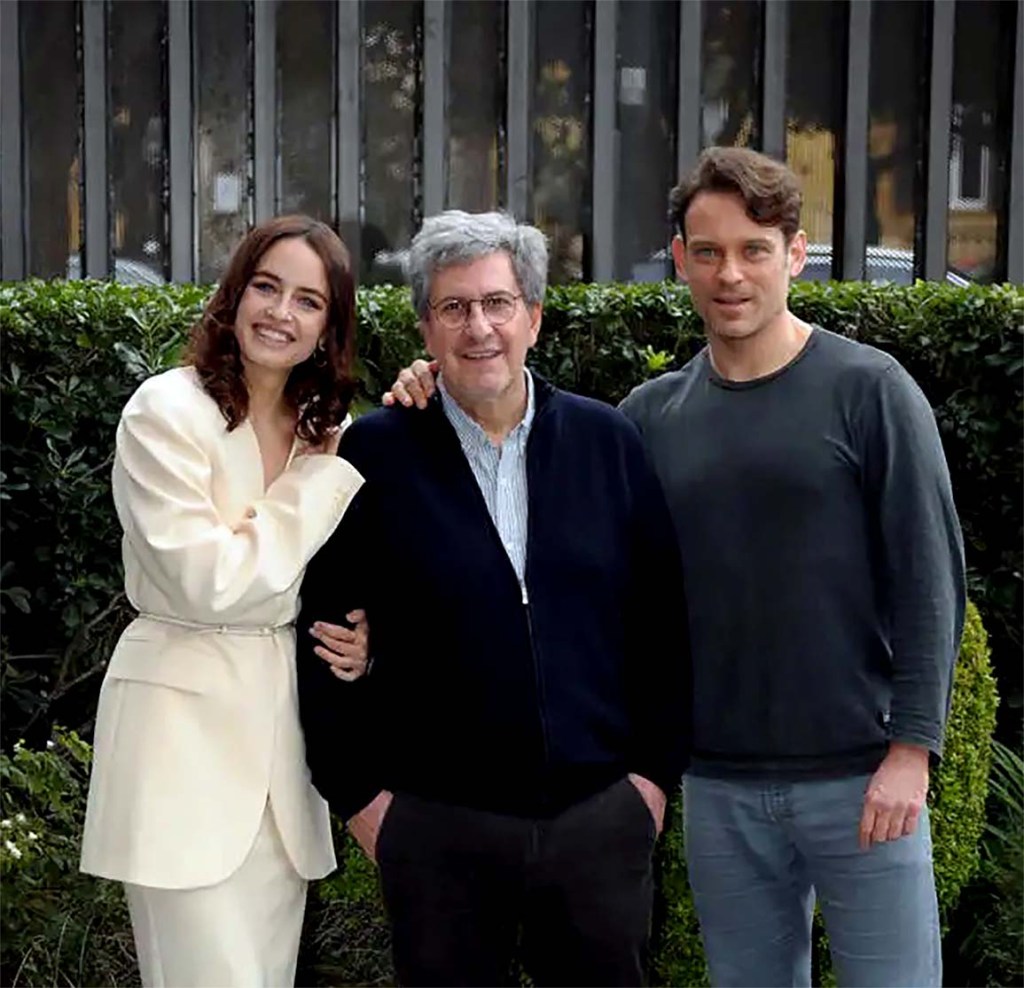
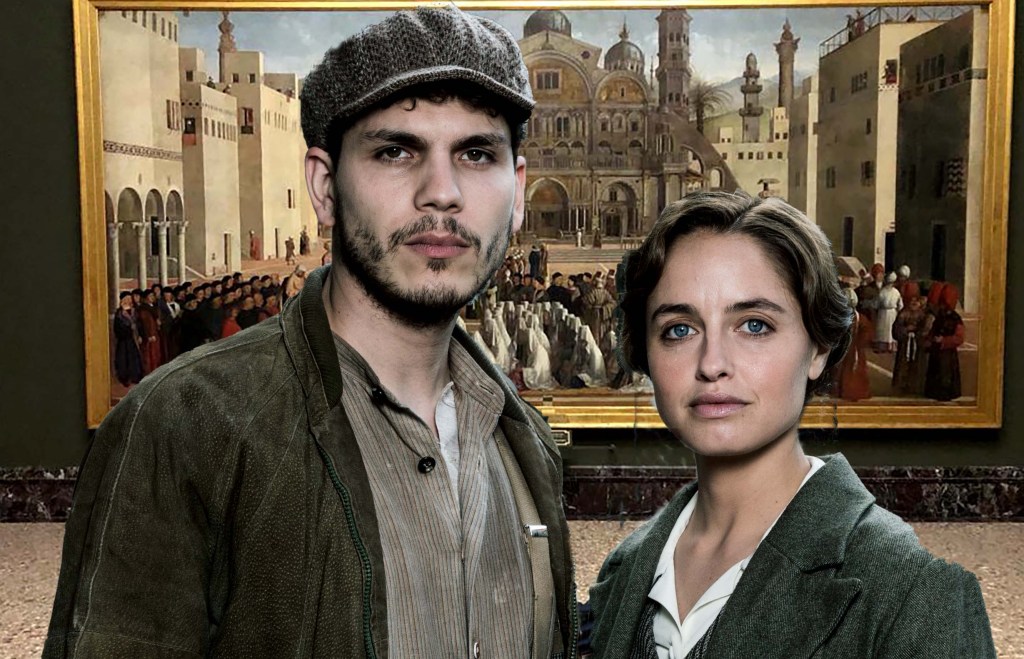
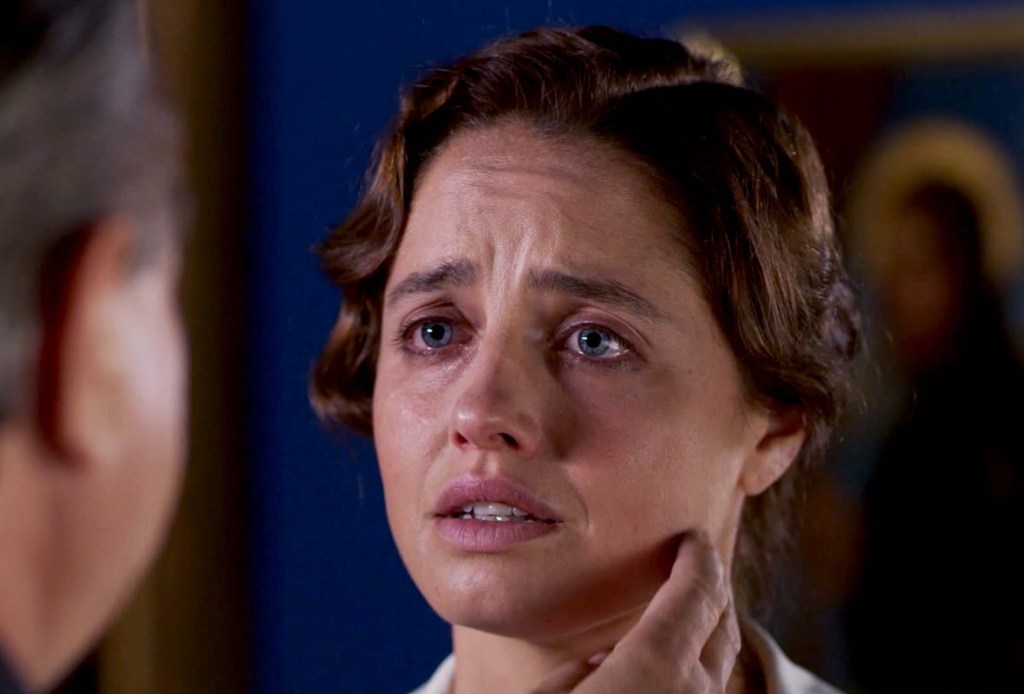
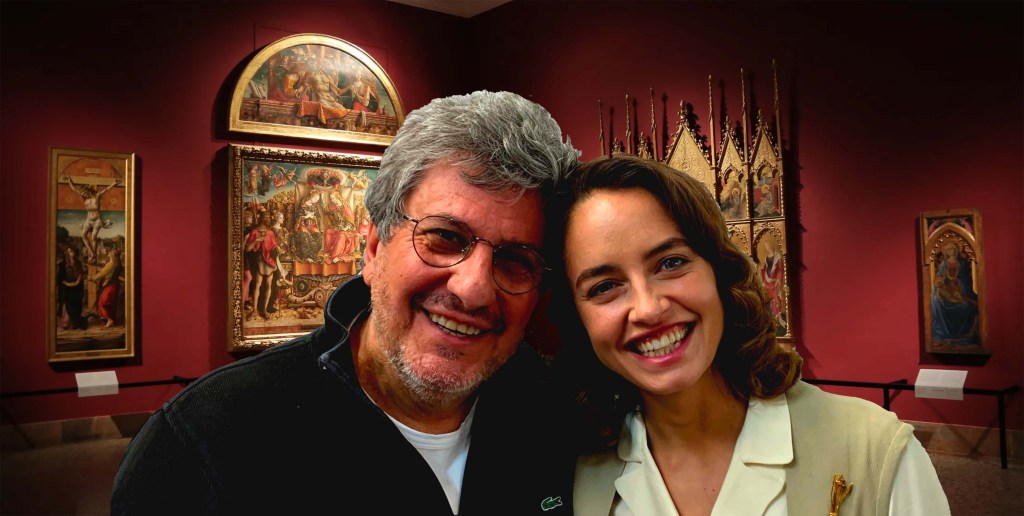
Matilde Gioli – Breve ritratto di un’icona di femminilità fatto dal suo regista.
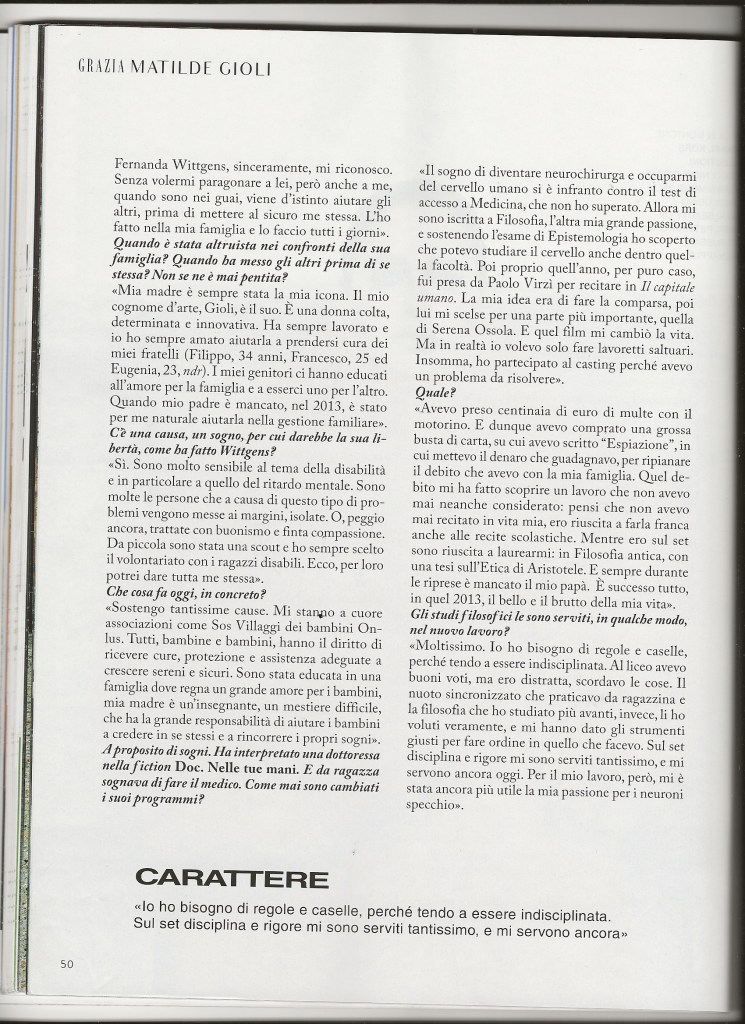
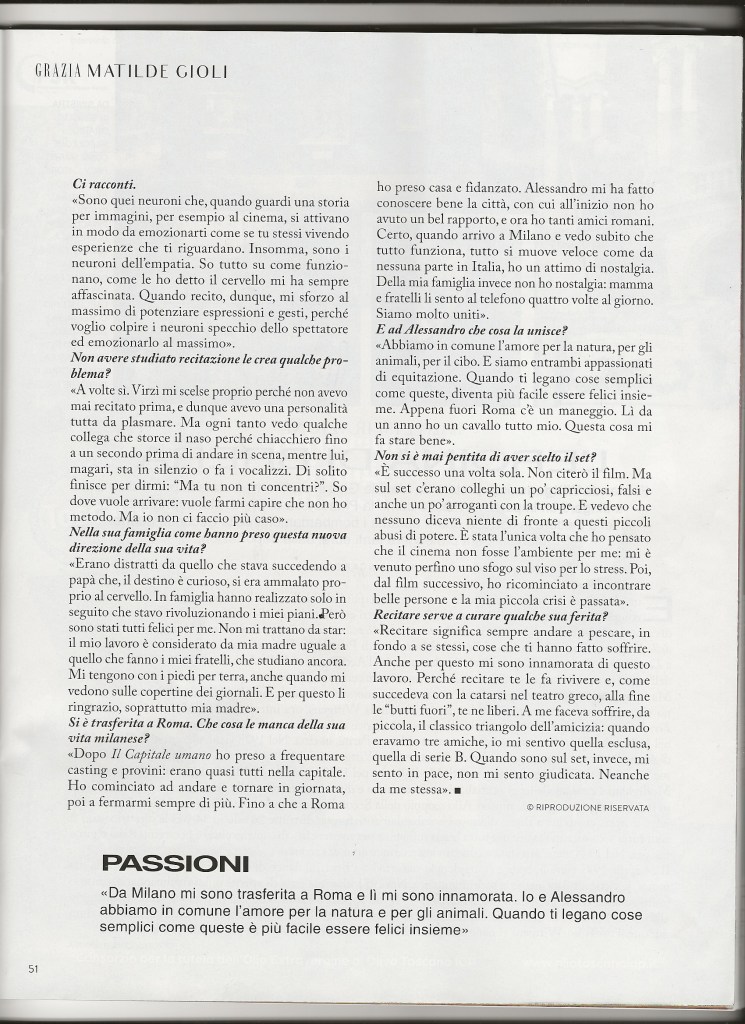
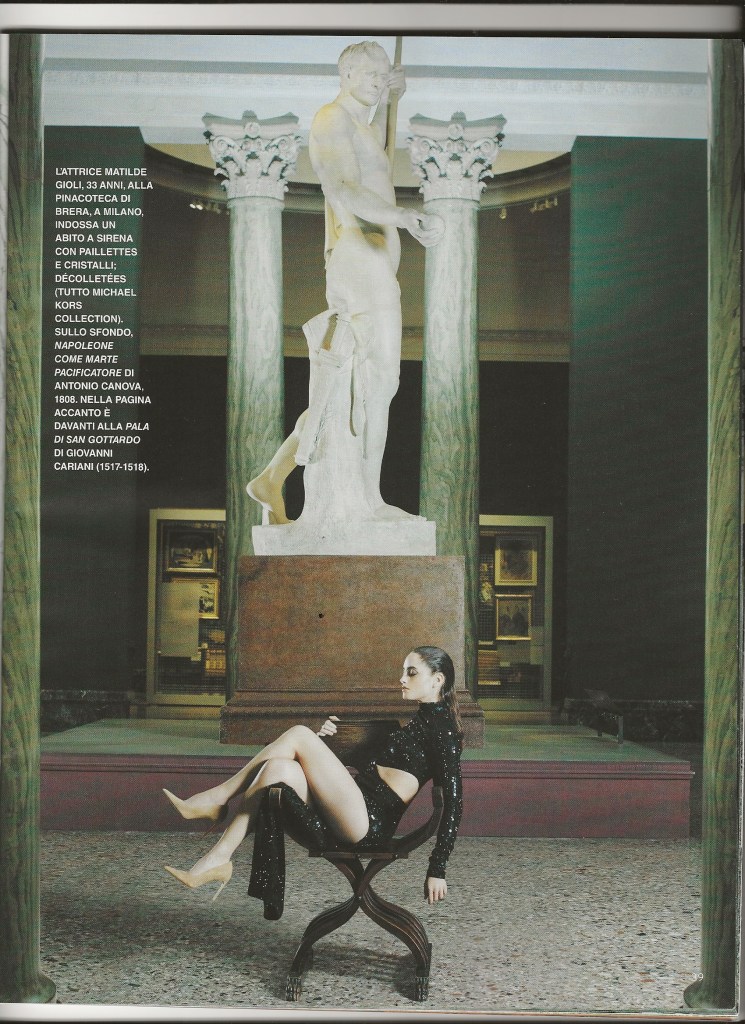
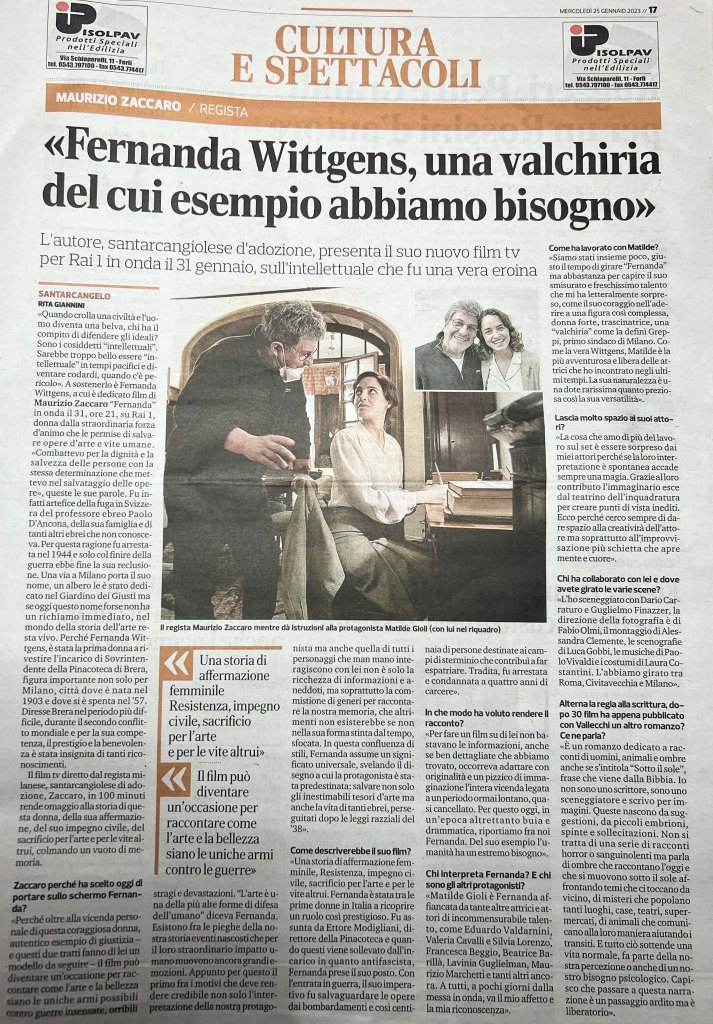
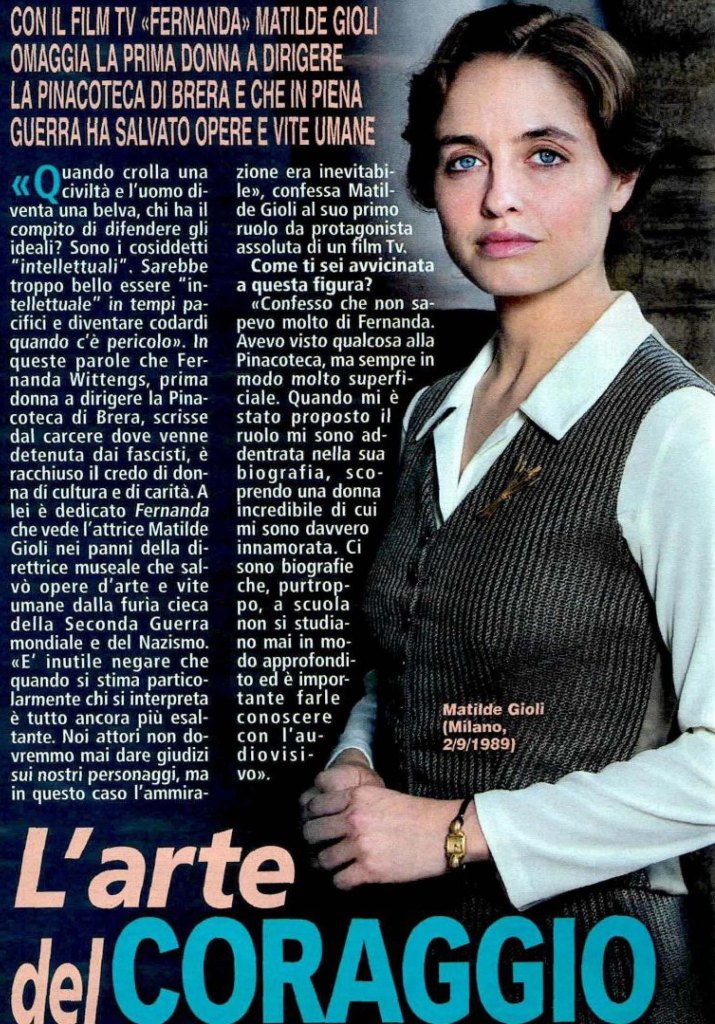
Siamo stati insieme poco, giusto il tempo di girare “Fernanda” ma abbastanza per capire lo smisurato, freschissimo talento di Matilde Gioli che mi ha letteralmente sorpreso, come il suo coraggio nell’aderire a una figura complessa come quella di Fernanda Wittgens, donna forte, trascinatrice, una “valchiria” come la definì il primo sindaco di Milano Antonio Greppi quando la incontrò subito dopo la liberazione. Come la vera Wittgens, Matilde è la più avventurosa e libera delle attrici che ho incontrato negli ultimi tempi. La sua naturalezza davanti all’obiettivo è una dote rarissima quanto preziosa, la sua versatilità anche. Ma c’è dell’altro. Anche se il nostro set non è stato facile e parecchio confusionario per la velocità con la quale eravamo costretti a lavorare, e i pochi denari a disposizione per realizzare al meglio un film del genere, Matilde non ha mai avuto il minimo cedimento anzi, la sua presenza quotidiana, il suo contagioso sorriso mi hanno aiutato a vincere i momenti in cui lo sconforto stava diventando insormontabile. Quindi, se “Fernanda “ oggi esiste è soprattutto grazie a lei e alla sua inesauribile complicità. Abbiamo insomma confezionato questo film insieme, giorno dopo giorno, cercando di restituire un sapore di verità e realismo ad una storia che sembrava essere sepolta dal tempo, dimenticata per sempre, e che invece , fra pochi giorni, tornerà a pulsare nel cuore di chi (speriamo molti) la vedrà su RaiUno.
Matilde Gioli non poteva interpretare il ruolo diversamente perché, ritornando alle parole di Fernanda Wittgens nell’ultima lettera alla madre: “È un proposito fermo che risponde a tutto il mio modo di vivere: io non posso fare diversamente perché ho un cervello che ragiona così, un cuore che sente così.” Lunga vita a questo cuore, Matilde!
Matilde Gioli – Brief portrait of an icon of femininity by her director.
We were together very little, just long enough to shoot “Fernanda,” but enough to understand Matilde Gioli’s boundless, very fresh talent, which literally surprised me, as did her courage in adhering to such a complex figure as Fernanda Wittgens, a strong, dragging woman, a “Valkyrie” as the first mayor of Milan Antonio Greppi called her when he met her immediately after her liberation. Like the real Wittgens, Matilde is the most adventurous and free-spirited of the actresses I have met in recent times. Her naturalness in front of the lens is as rare as it is precious, her versatility too. But there is more. Even though our set was not easy and quite confusing because of the speed with which we were forced to work, and the little money at our disposal to make such a film to the best of our ability, Matilde never had the slightest relenting on the contrary, her daily presence, her contagious smile helped me overcome the moments when discouragement was becoming insurmountable. So, if “Fernanda ” exists today it is mainly thanks to her and her inexhaustible complicity. In short, we have packed this film together, day after day, trying to restore a flavor of truth and realism to a story that seemed to be buried by time, forgotten forever, and that instead , in a few days, will return to pulsate in the hearts of those (hopefully many) who will see it on RaiUno.
Matilde Gioli could not play the role any other way because, returning to the words of Fernanda Wittgens in her last letter to her mother, “It is a firm purpose that responds to my whole way of life: I cannot do otherwise because I have a brain that reasons this way, a heart that feels this way.” Long live this heart, Matilde!
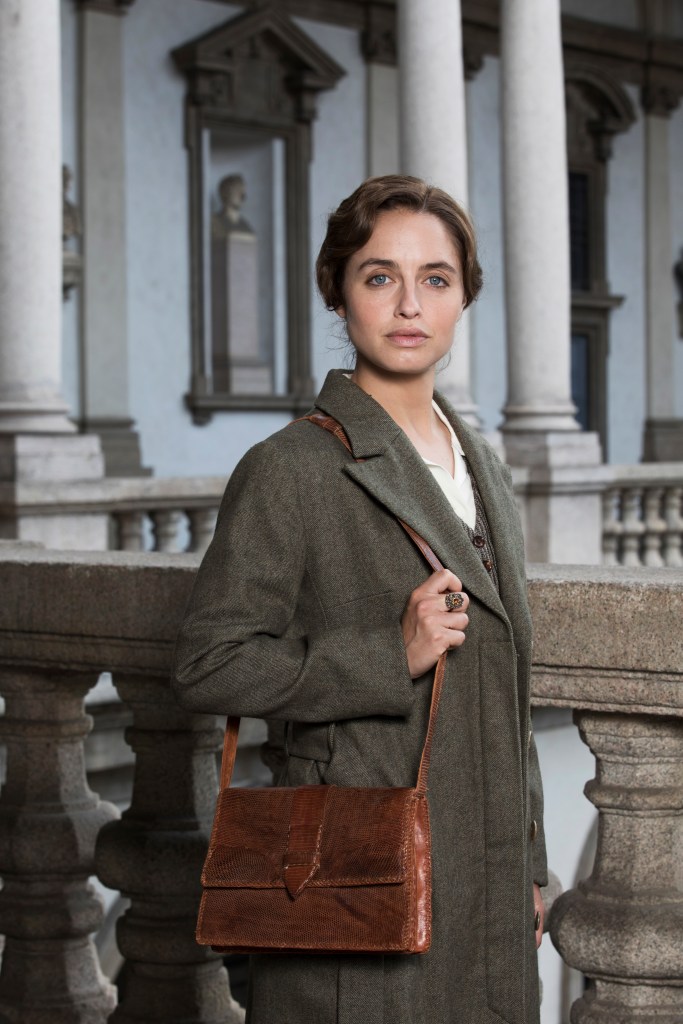
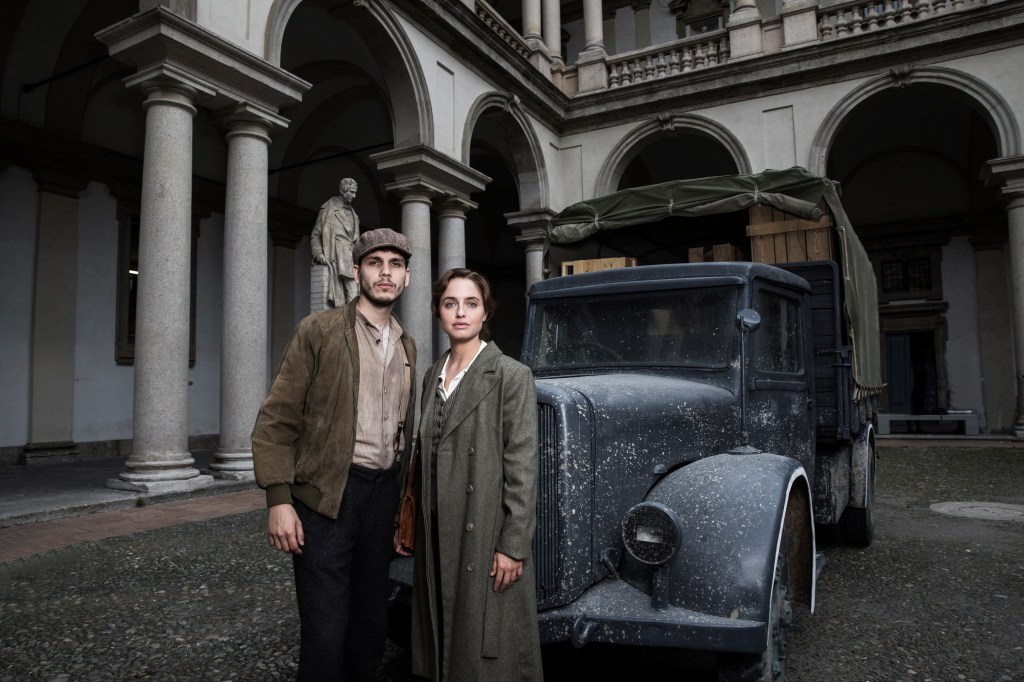
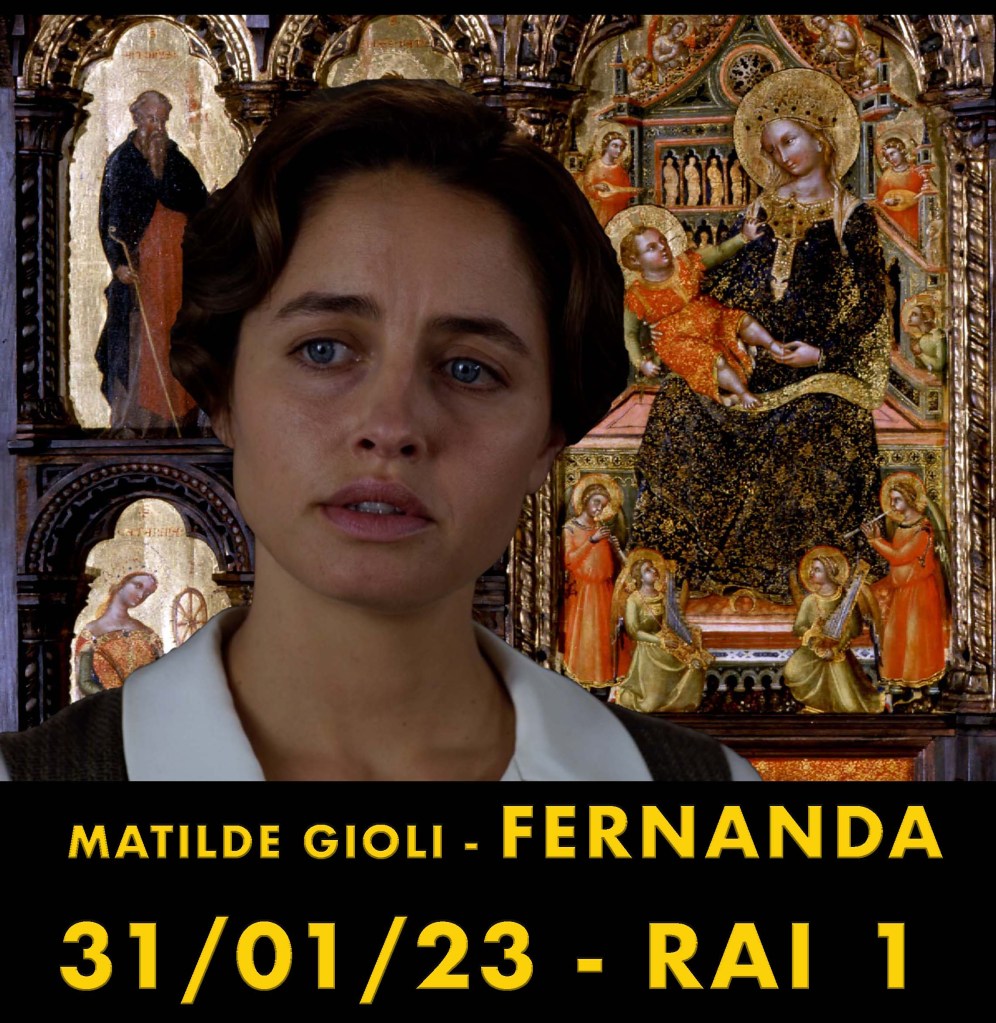
“Abbiamo il piacere di comunicarle la Sua nomina a Commissario Straordinario per l’Accademia di Brera. Nell’assumere il mandato che Le viene conferito, La invitiamo a volersi rendere immediatamente conto esatto della situazione economica e finanziaria dell’Ente, nonché sua efficienza, onde riferire a questo Comitato di Liberazione Nazionale della Lombardia nel più breve tempo possibile con dettagliate relazioni.”
Con questa lettera, il 17 maggio del 1945, il Comitato di Liberazione Nazionale della Lombardia nominava Fernanda Wittgens commissario straordinario della Pinacoteca di Brera, il 24 maggio il governo militare alleato, V Armata, le inviò un’ulteriore comunicazione con la nomina a pro-direttore.
Dopo la Liberazione, con altre donne di Giustizia e Libertà – e in accordo con le direttive del Partito d’Azione – Fernanda Wittgens non accettò onori o riconoscimenti ufficiali per l’attività clandestina, e preferii l’impegno sociale e lavorativo a quello politico.
“We have the pleasure of informing you of your appointment as Extraordinary Commissioner for the Brera Academy. In assuming the mandate that is given to you, we invite you to want to immediately give an exact account of the economic and financial situation of the institution, as well as its efficiency, in order to report to this National Liberation Committee of Lombardy as soon as possible with detailed reports.”
With this letter, on May 17, 1945, the National Liberation Committee of Lombardy appointed Fernanda Wittgens as extraordinary commissioner of the Brera Art Gallery; on May 24, the Allied military government, Fifth Army, sent her a further communication appointing her as pro-director.
After the Liberation, with other women of Justice and Freedom-and in accordance with the directives of the Action Party-Fernanda Wittgens did not accept honors or official recognition for her clandestine activity, and preferred social and work commitments to political ones.
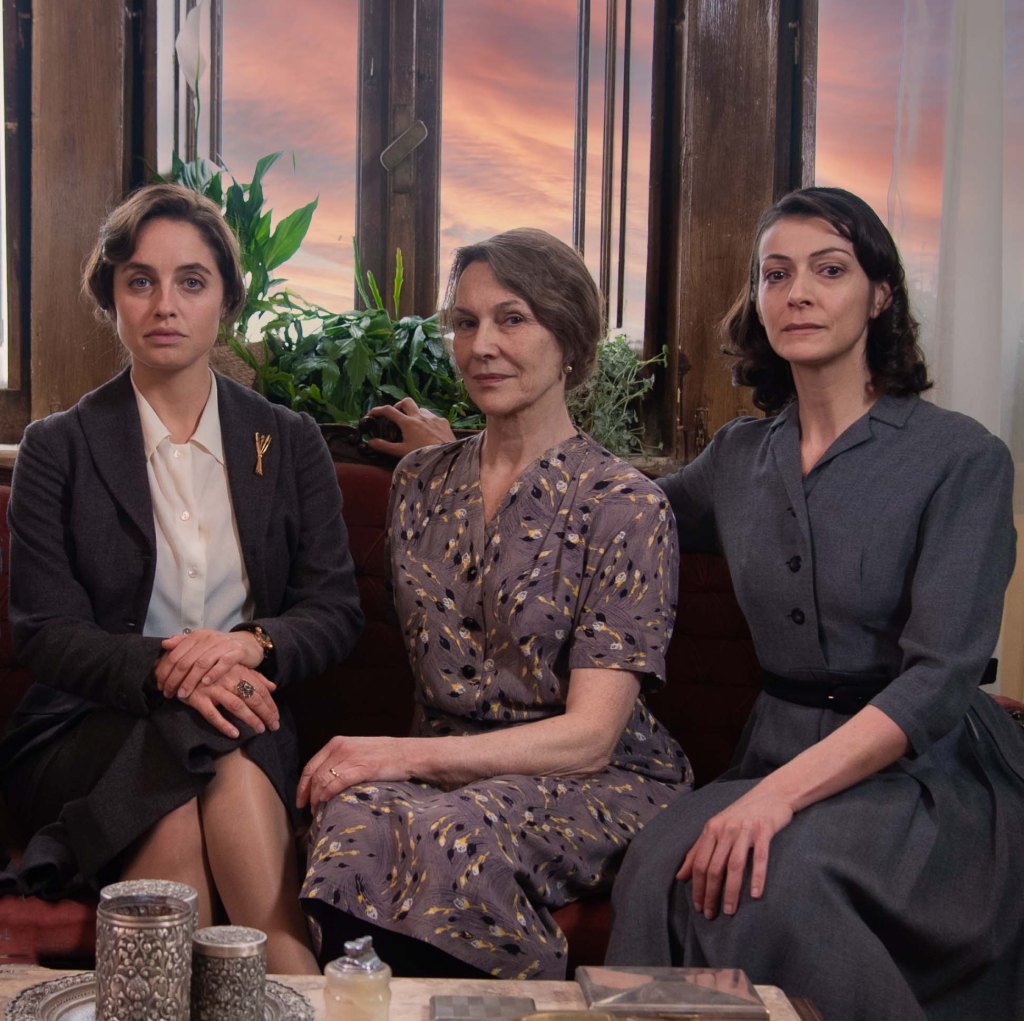
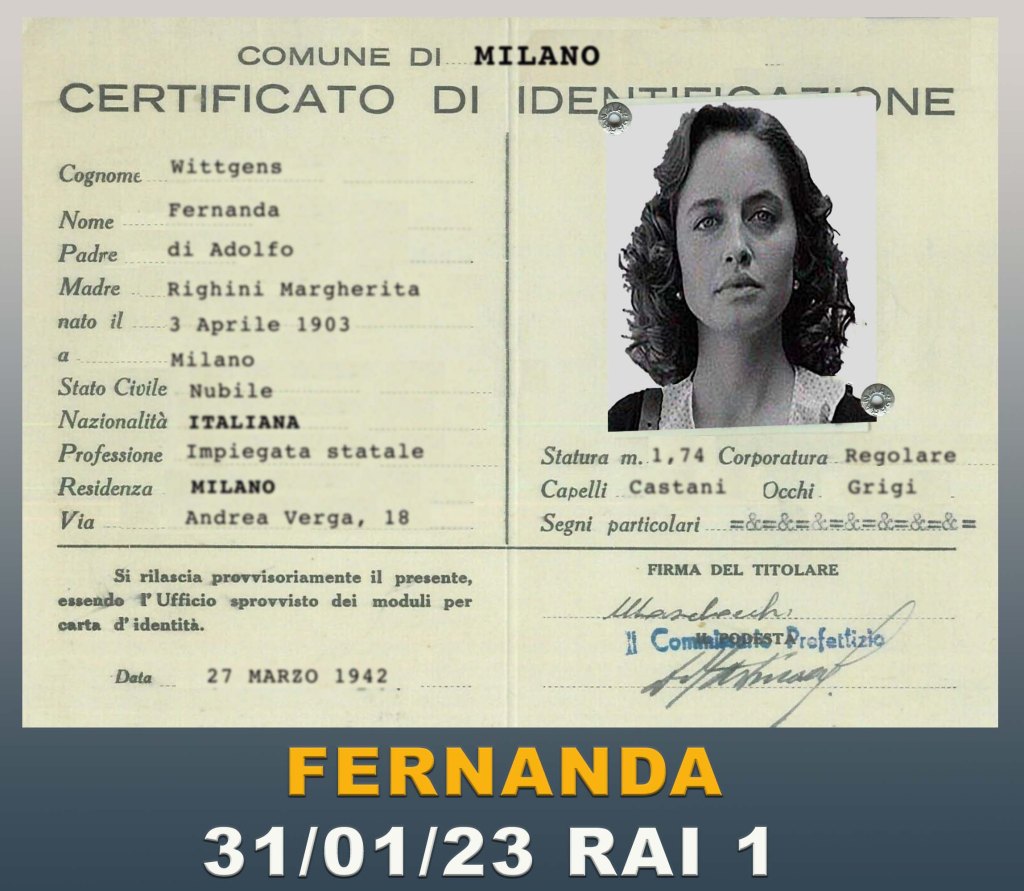
FERNANDA – 31/01/23 -ore 21 -RAI1.
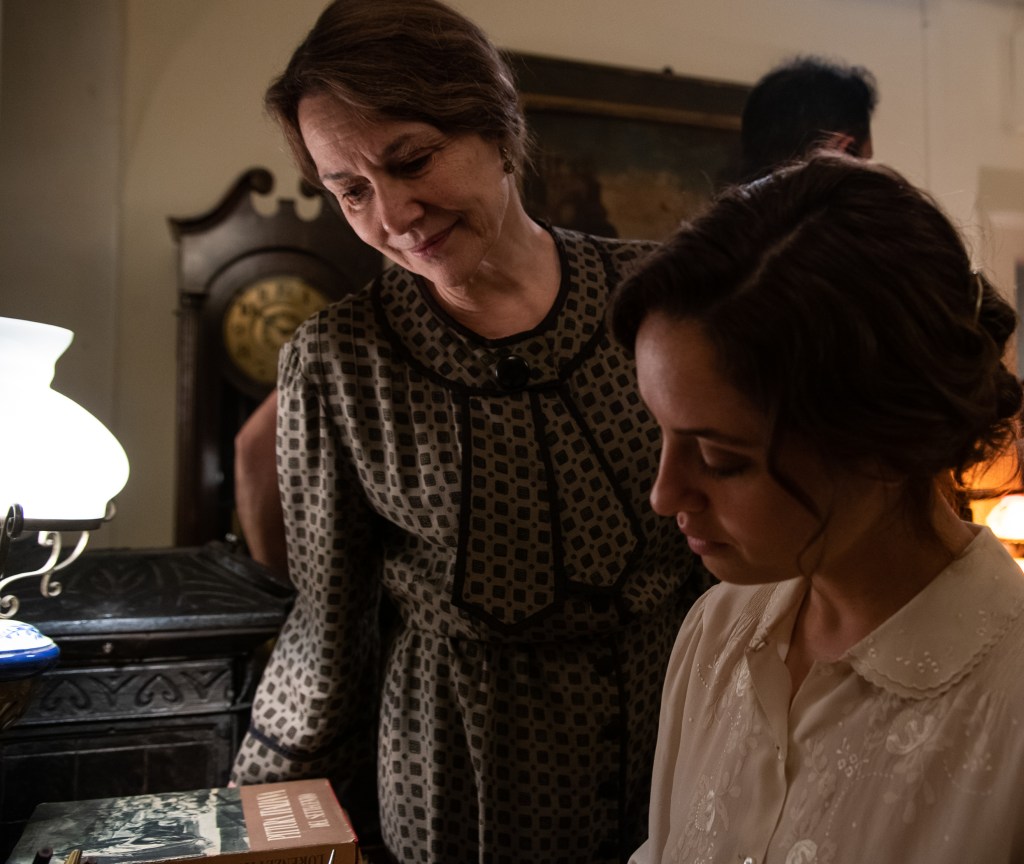
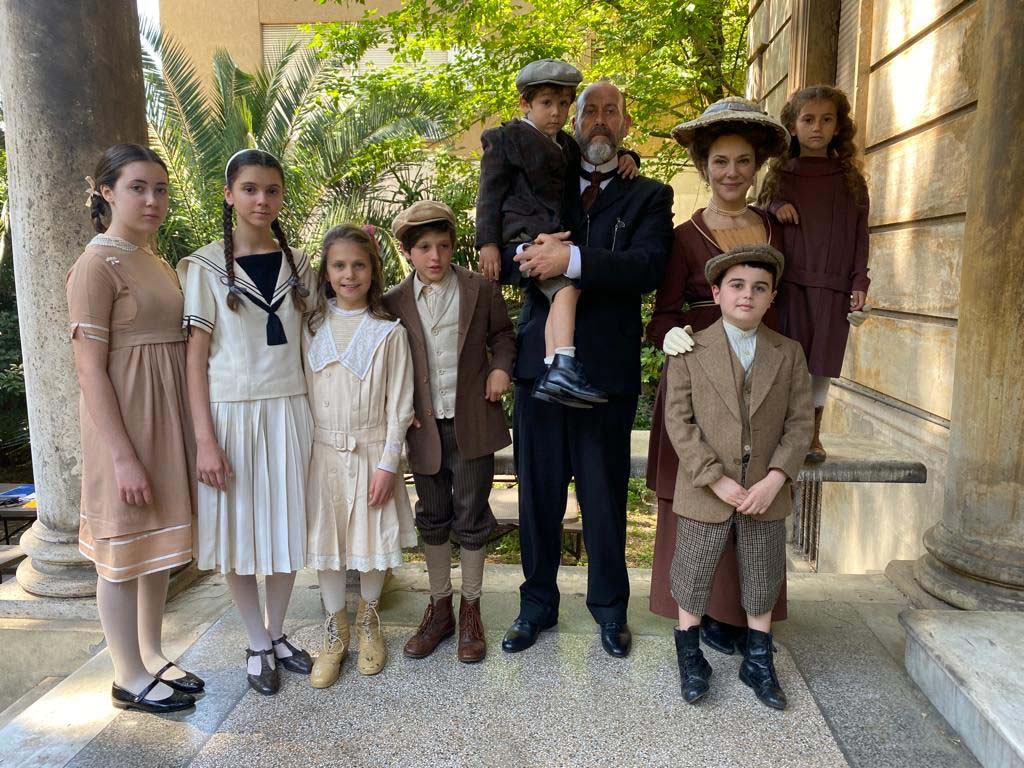
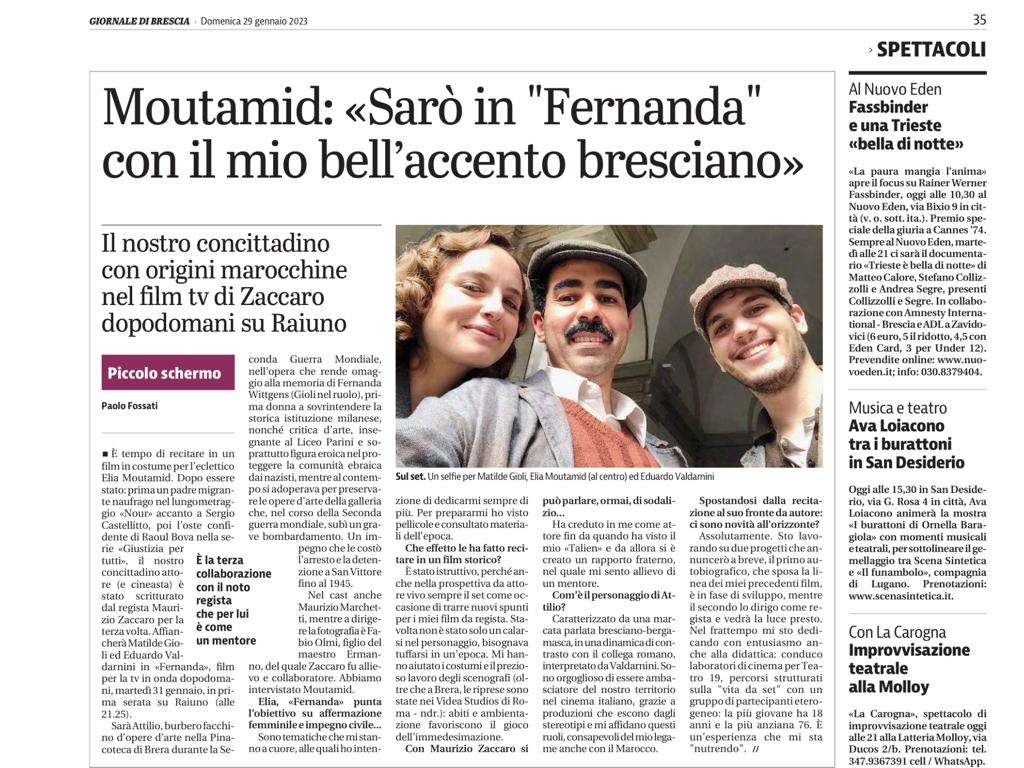
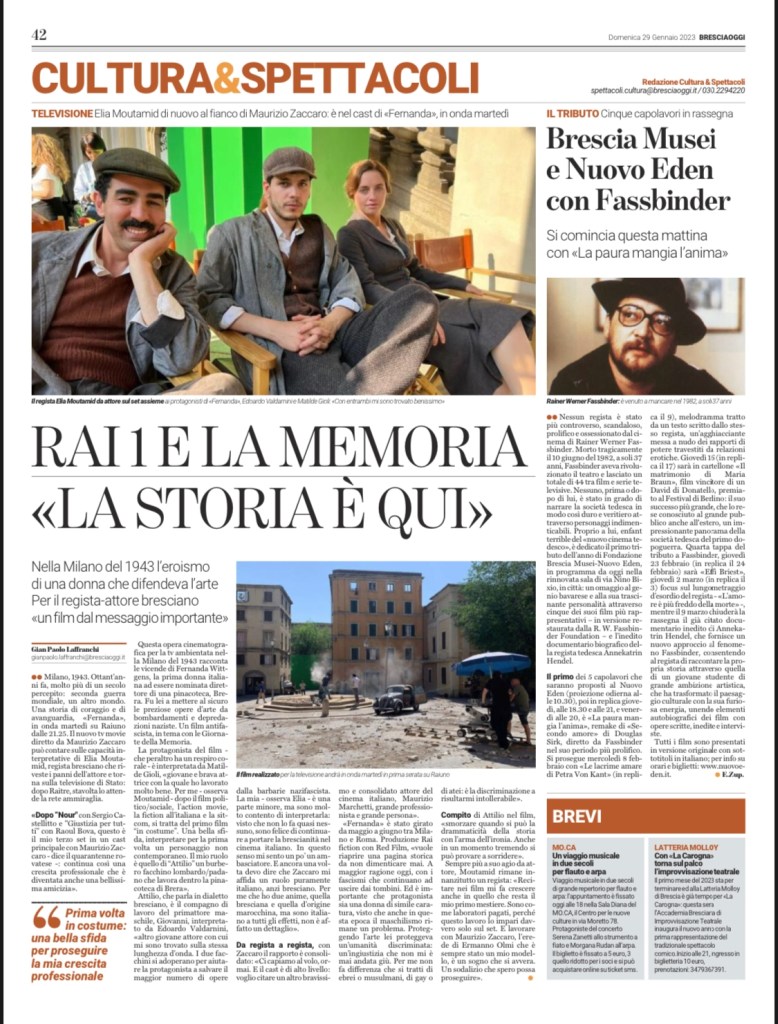
La cosa che amo di più del lavoro sul set è essere sorpreso dai miei attori perché se la loro interpretazione è spontanea accade sempre una magia. Grazie al loro contributo l’immaginario esce dal teatrino dell’inquadratura per creare punti di vista inediti. Ecco perché cerco sempre di dare spazio alla creatività dell’attore ma soprattutto all’improvvisazione più schietta, quella che apre la mente e il cuore. In “Fernanda”, oltre a Matilde Gioli, ci sono tante altre attrici e attori di incommensurabile talento, come Valeria Cavalli e Silvia Lorenzo (nella foto, rispettivamente madre e sorella di Fernanda), Francesca Beggio, Beatrice Barillà, Lavinia Guglielman, Eduardo Valdarnini, Maurizio Marchetti, Sergio Albelli, Christoph Hülsen, Francesco Formichetti, Sergio Grammatico, Fabio Vasco, Elia Moutamid, Edoardo Rivoira, le piccole Elisa Amici e Silvia Auletta… e tanti altri ancora. A tutti loro, a pochi giorni dalla messa in onda, il mio affetto e la mia riconoscenza.
Maurizio Zaccaro
The thing I love most about working on set is being surprised by my actors because if their interpretation is spontaneous magic always happens. Thanks to their contribution, the imagery comes out of the theater of framing to create unprecedented points of view. That is why I always try to give space to the actor’s creativity but especially to the most frank improvisation, the one that opens the mind and the heart. In “Fernanda,” besides Matilde Gioli, there are many other actresses and actors of immeasurable talent, such as Valeria Cavalli and Silvia Lorenzo (pictured, Fernanda’s mother and sister respectively), Francesca Beggio, Beatrice Barillà, Lavinia Guglielman, Eduardo Valdarnini, Maurizio Marchetti, Sergio Albelli, Christoph Hülsen, Francesco Formichetti, Sergio Grammatico, Fabio Vasco, Elia Moutamid, Edoardo Rivoira, little Elisa Amici and Silvia Auletta. … and many others. To all of them, a few days before airing, my affection and gratitude.
Maurizio Zaccaro
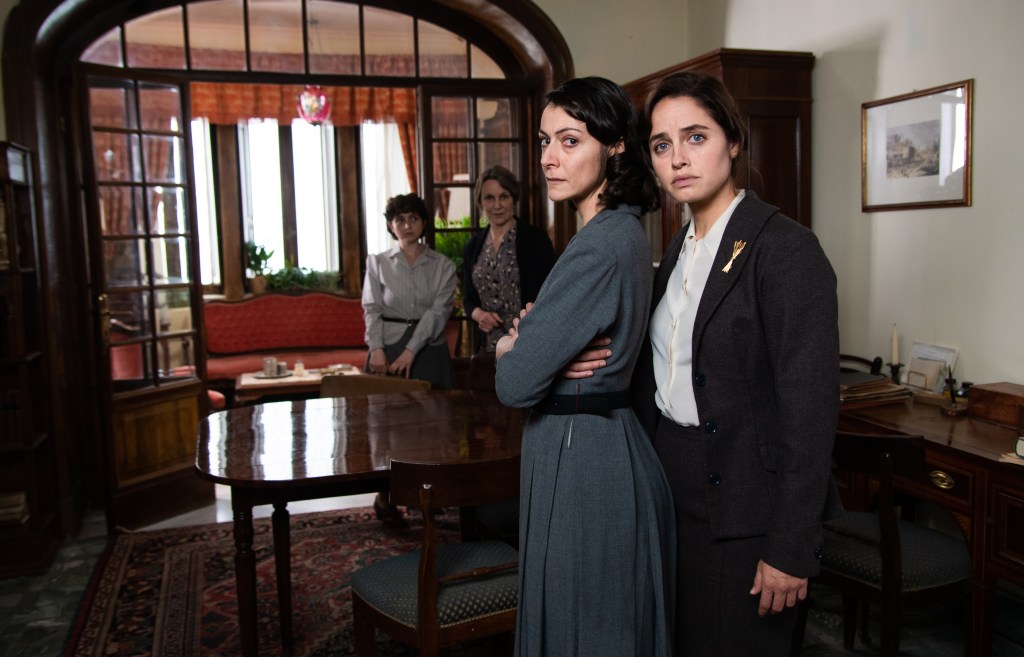
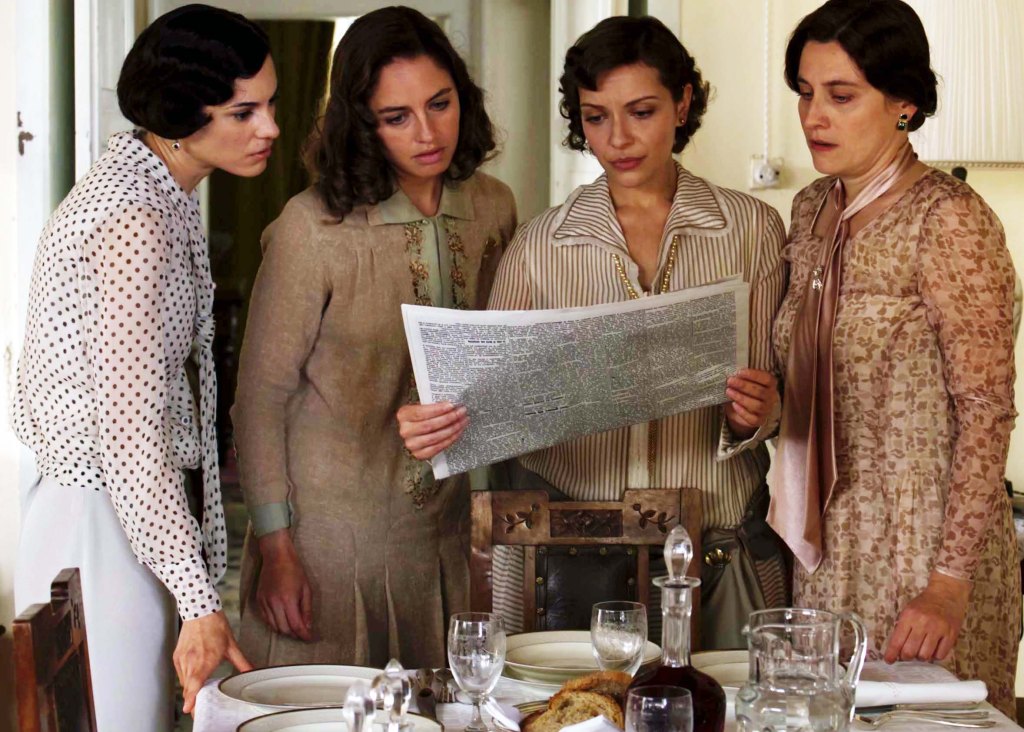
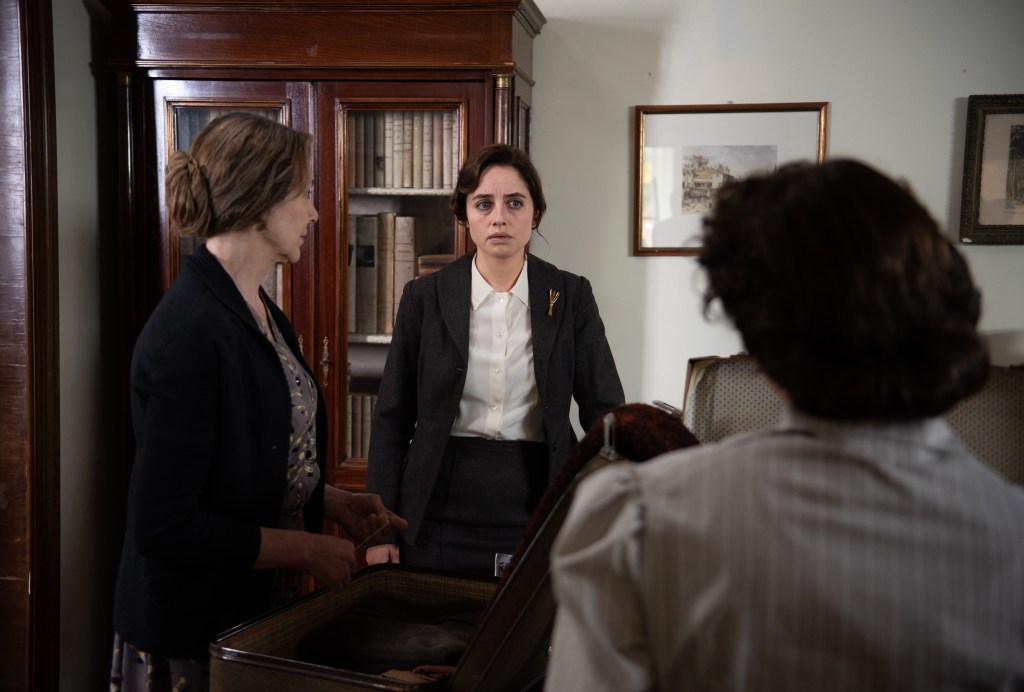
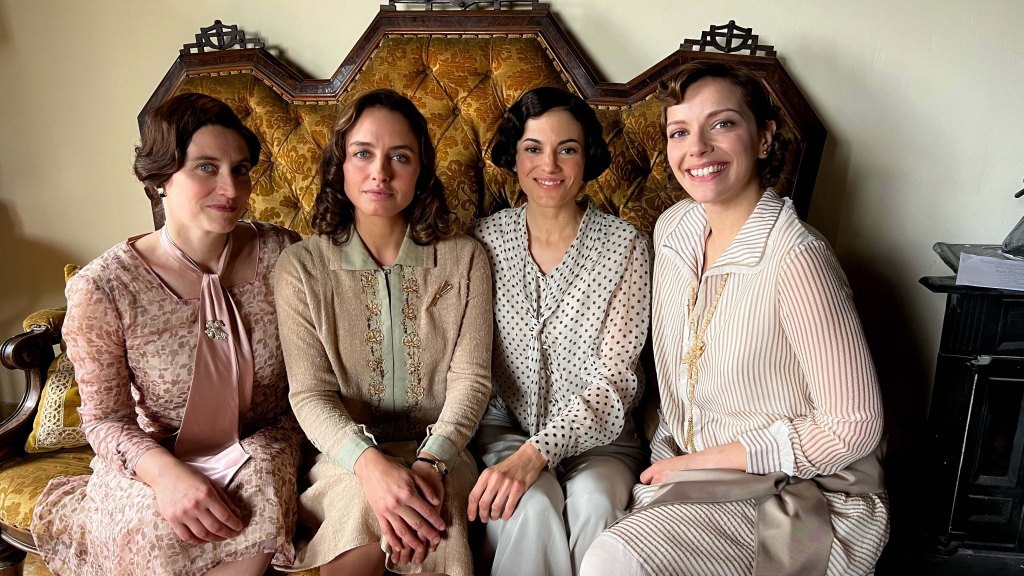
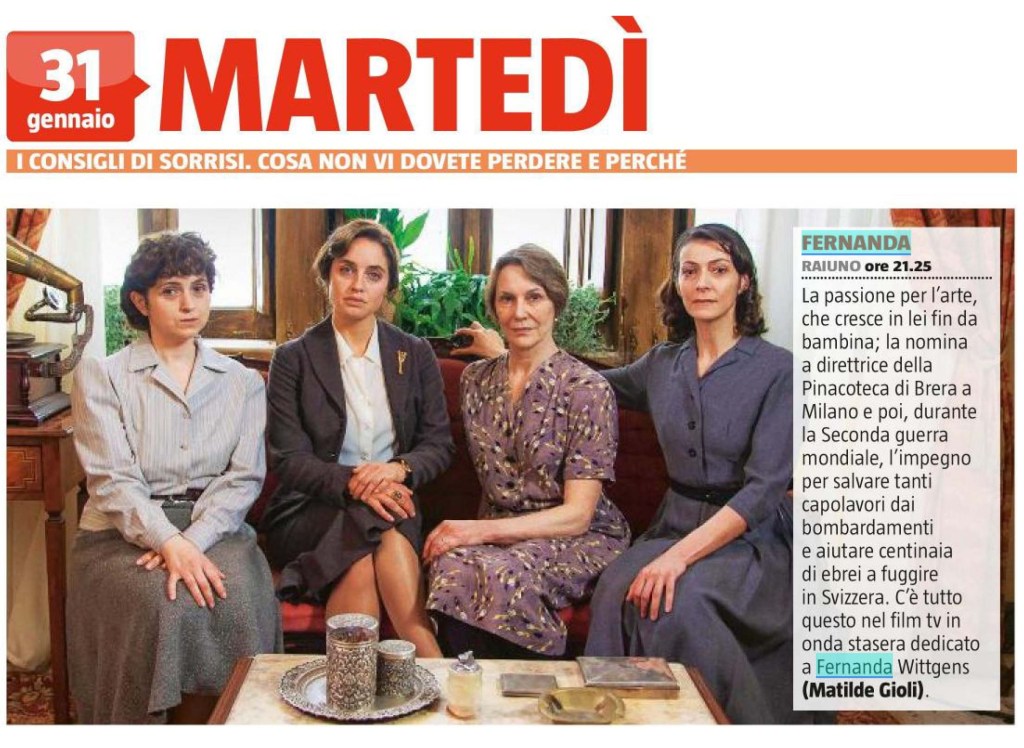
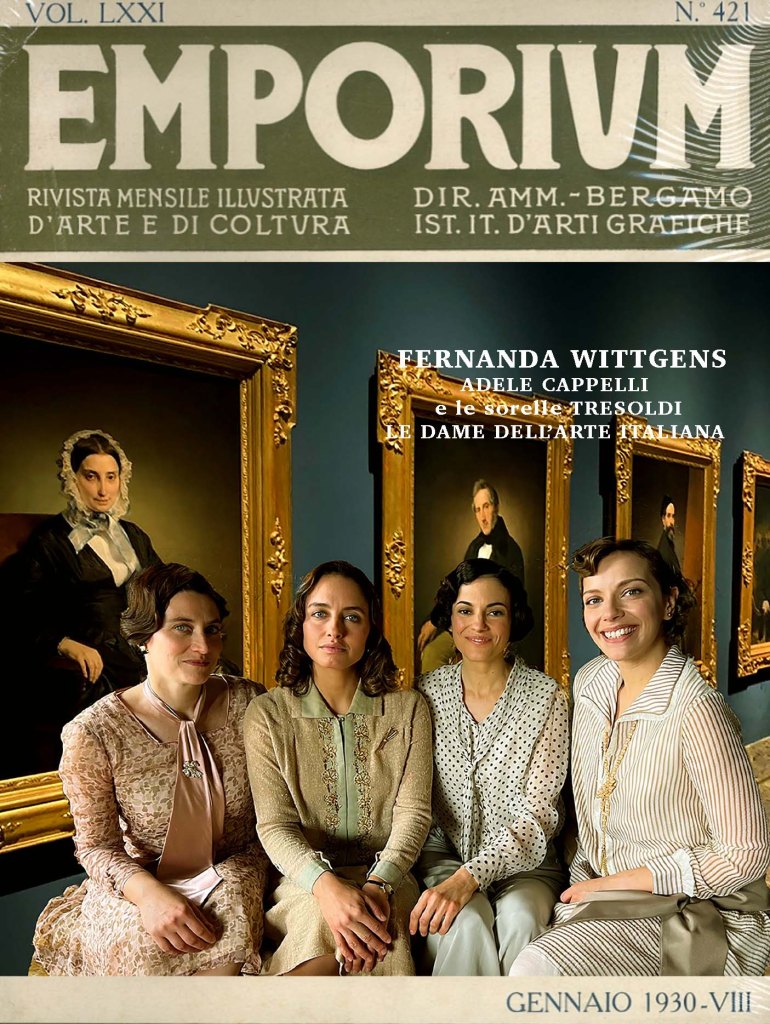
…poi c’erano Adele, Zina e Mariarosa, che condivisero con Fernanda Wittgens non solo l’impegno antifascista ma anche le conseguenze che ne derivarono. Adele Cappelli Vegni, di profonda fede cattolica, faceva parte nel 1944 del Comitato d’iniziativa che porterà un anno dopo alla fondazione dell’UDI, Unione Donne Italiane, la più grande organizzazione per l’emancipazione femminile in Italia. Accompagnati da Zina e Mariarosa Tresoldi, due maestre, gli ebrei giungevano presso l’abitazione di Adele e lì, in attesa di varcare il vicino confine con la Svizzera, venivano vestiti con i panni di maggiordomi, camerieri, autisti, ruoli che venivano interpretati alla perfezione perché la voglia di sopravvivere era una scuola incomparabile…
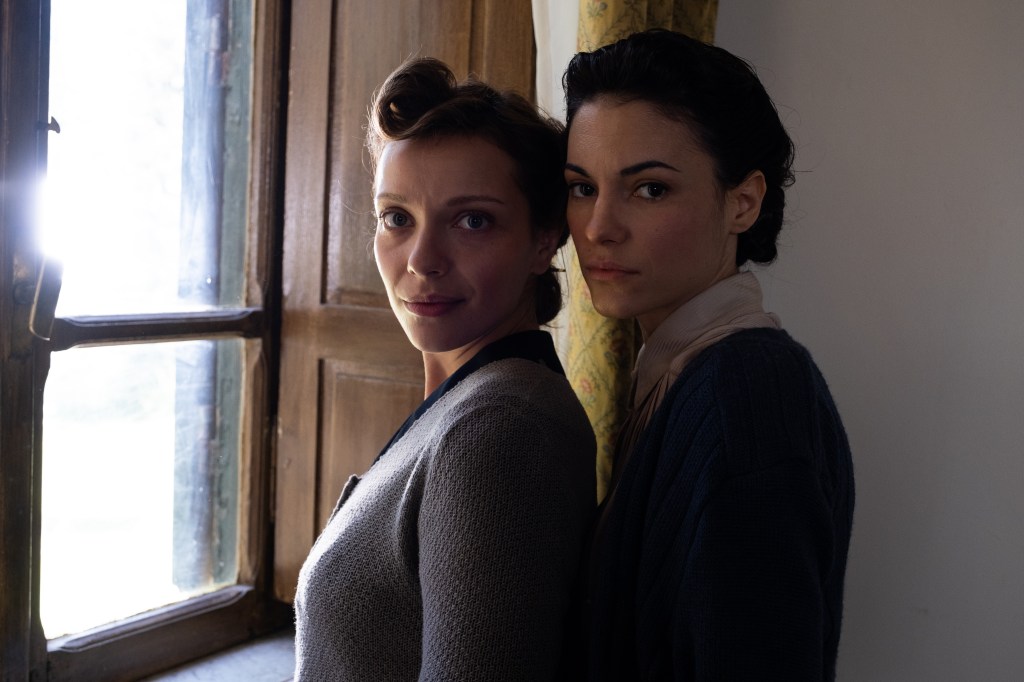
Nella foto da sx a dx: Zina Tresoldi (Lavinia Guglielman), Fernanda Wittgens (Matilde Gioli), Mariarosa Tresoldi (Beatrice Barrilà) e Adele Cappelli Vegni (Francesca Beggio)
…then there were Adele, Zina and Mariarosa, who shared with Fernanda Wittgens not only the anti-fascist commitment but also the consequences that followed. Adele Cappelli Vegni, of deep Catholic faith, was part of the Initiative Committee in 1944 that would lead a year later to the founding of the UDI, Unione Donne Italiane, the largest organization for women’s emancipation in Italy. Accompanied by Zina and Mariarosa Tresoldi, two schoolteachers, the Jews would arrive at Adele’s home and there, while waiting to cross the nearby border into Switzerland, they would be dressed as butlers, waiters, drivers, roles that were played to perfection because the will to survive was an incomparable school.
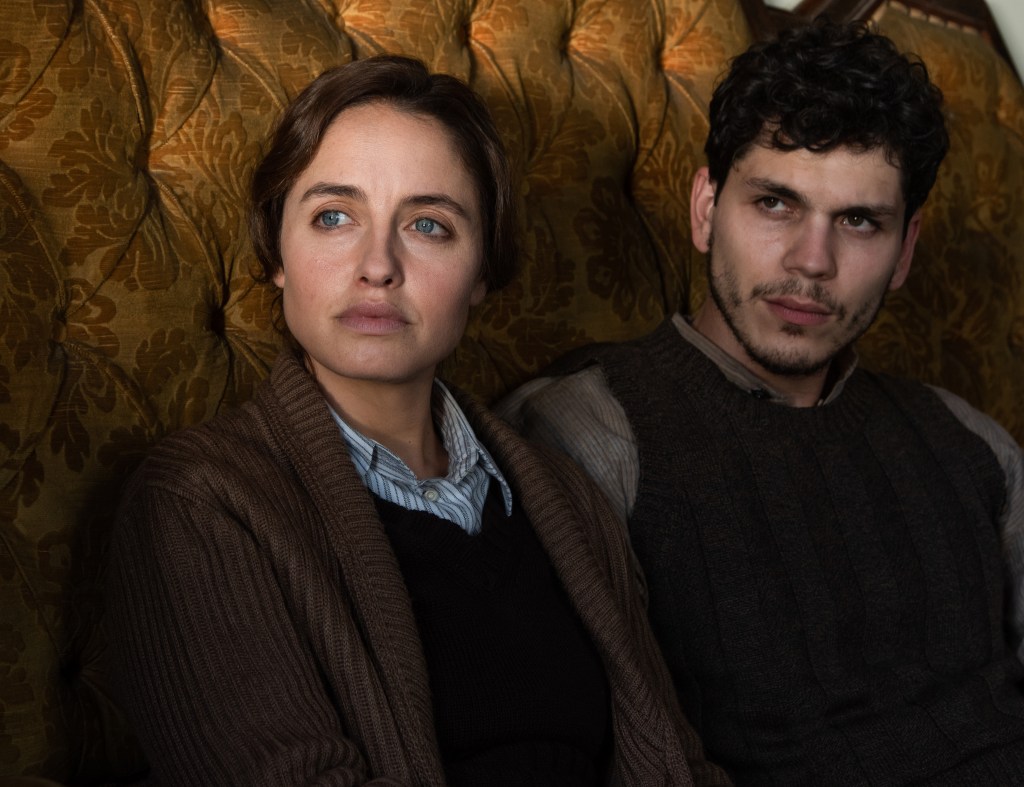
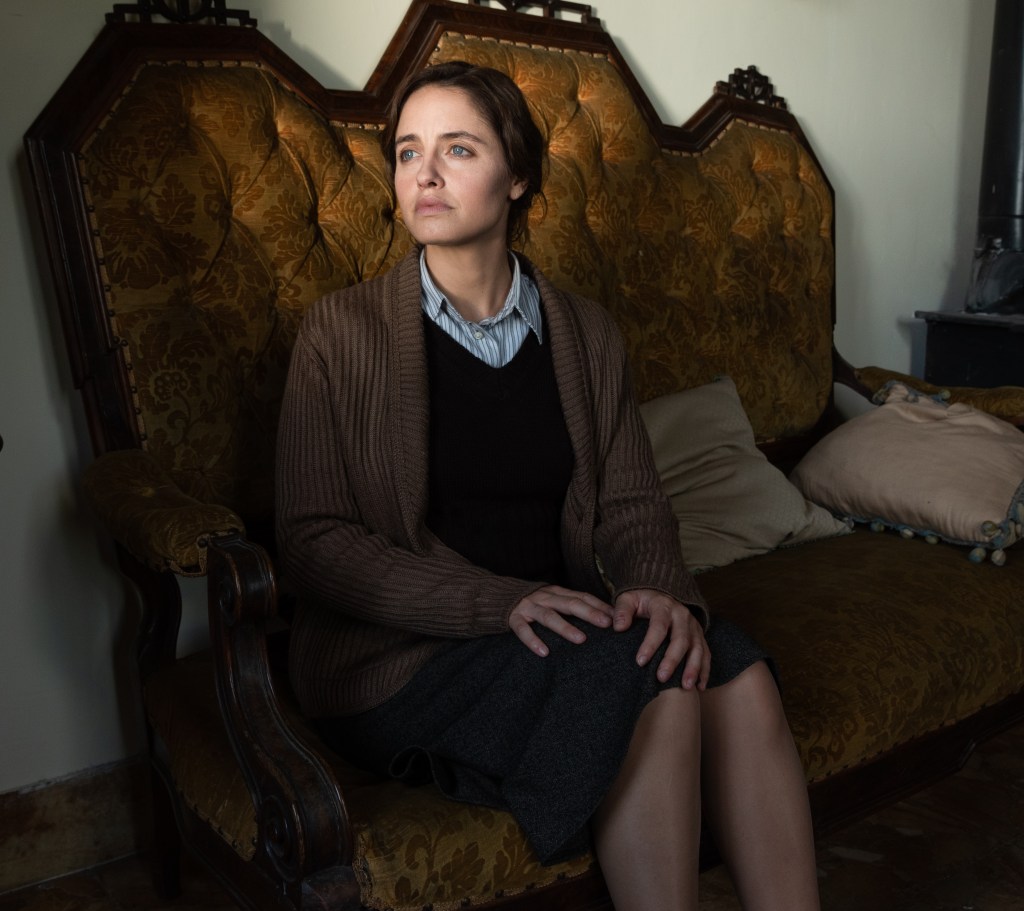
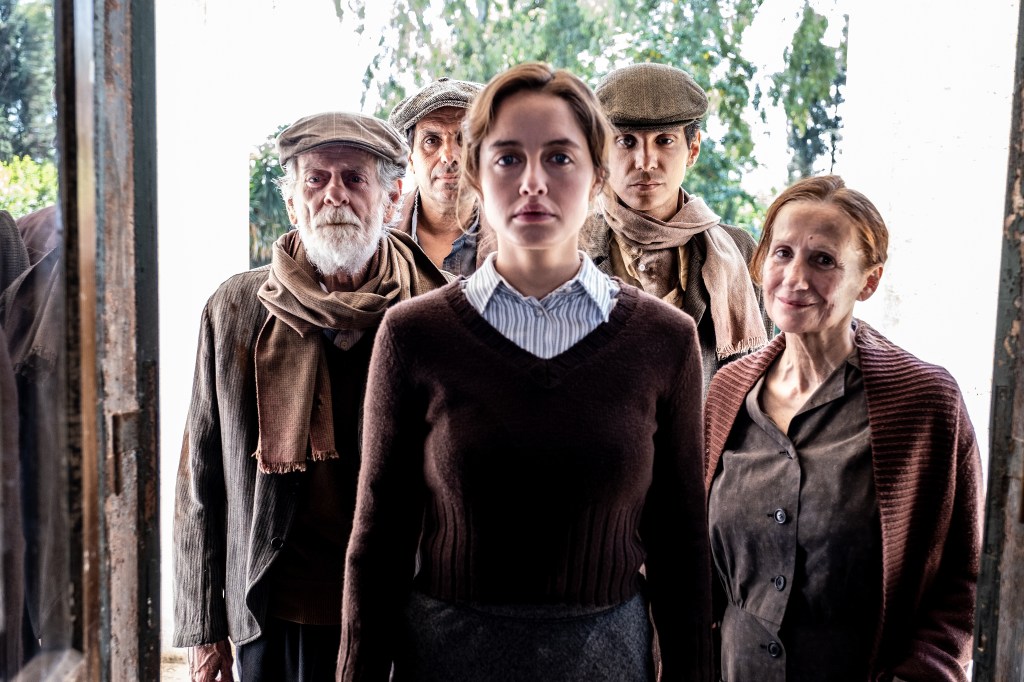
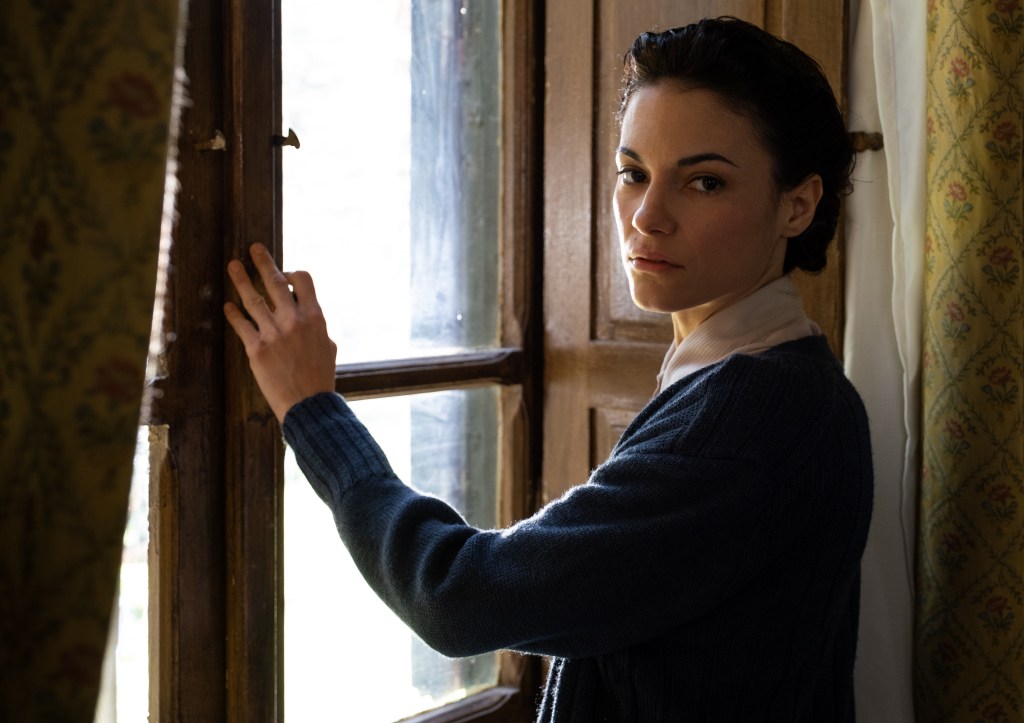
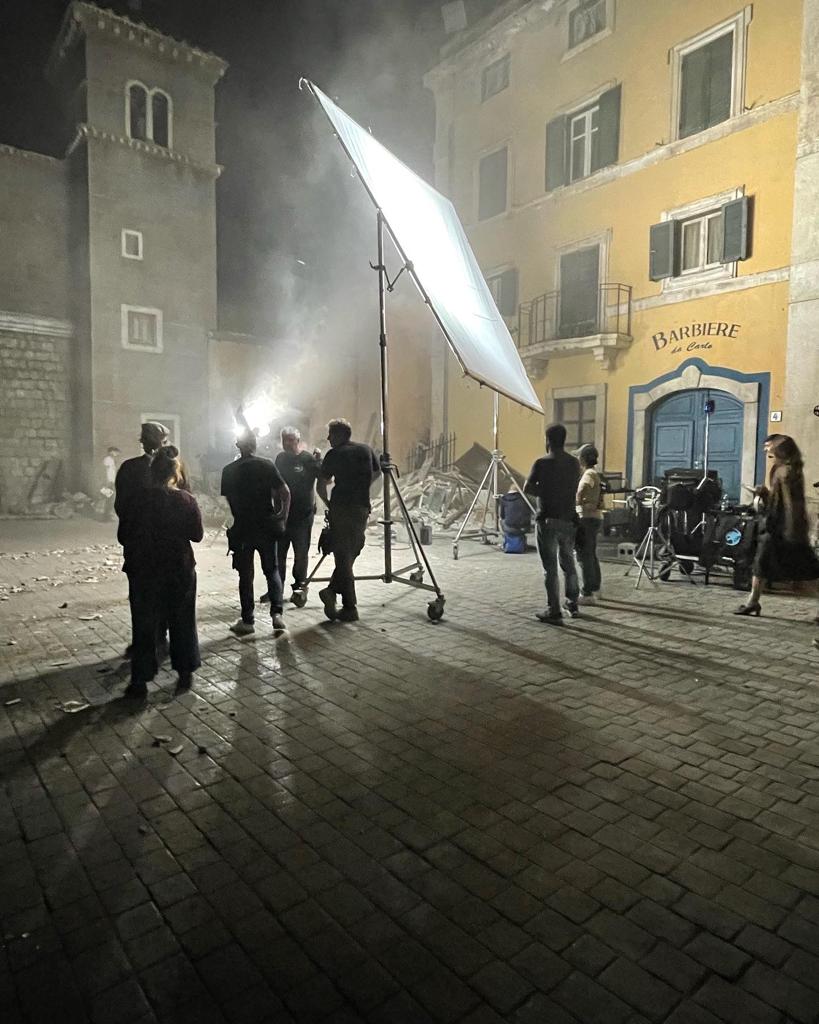
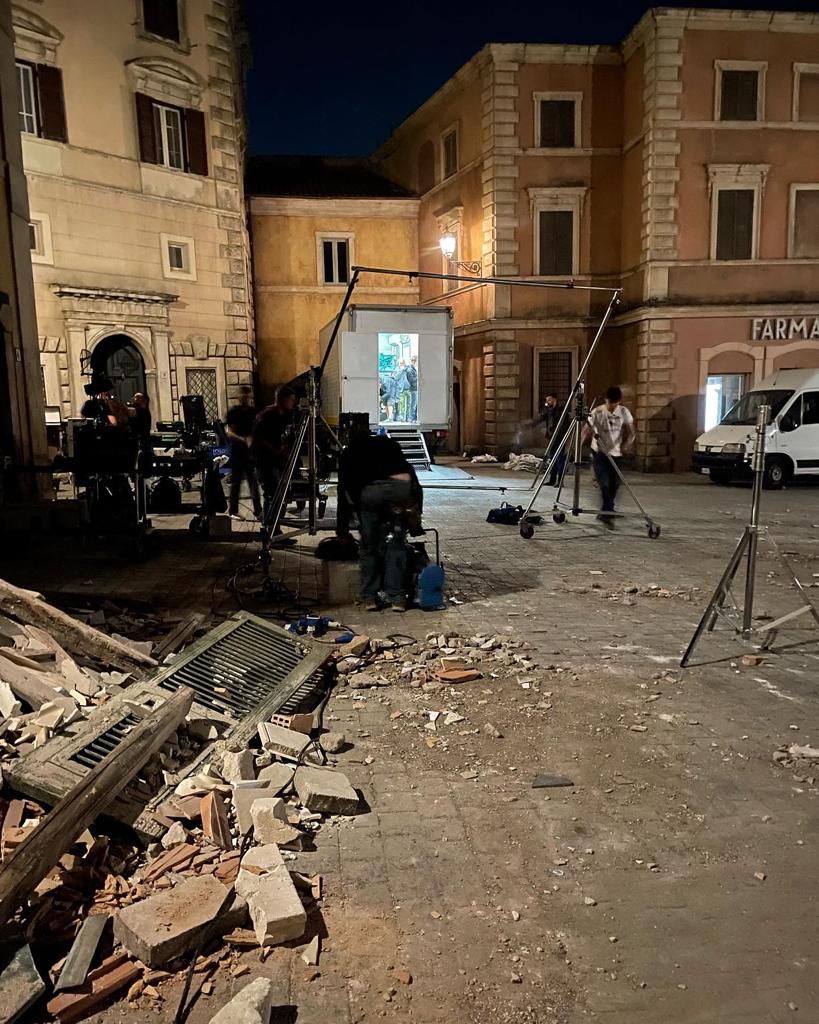
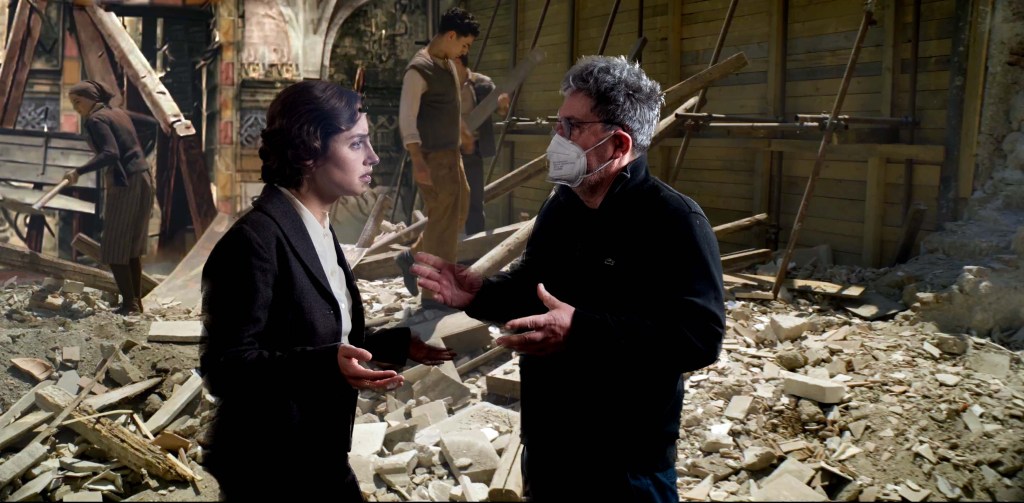
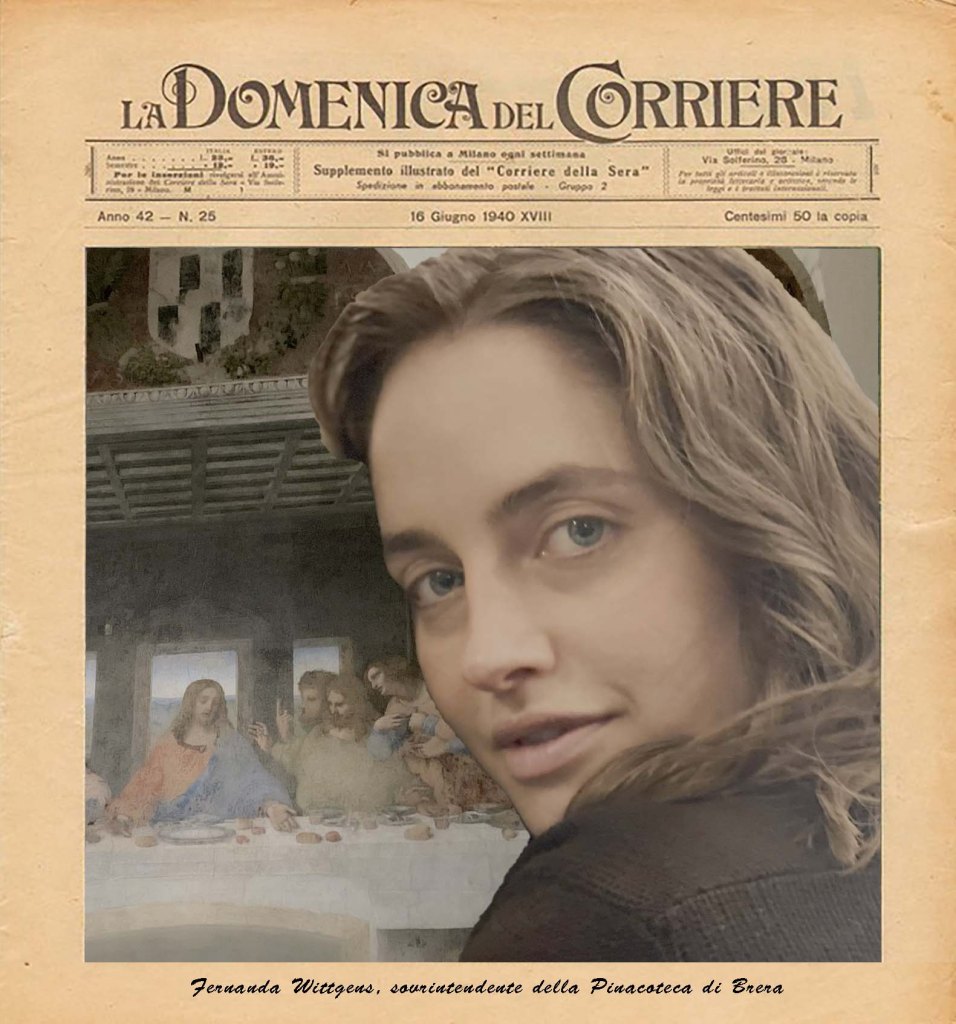
Milano, agosto 1943. «Il Cenacolo è salvo!». Così annota Fernanda Wittgens. Il folle e disperatissimo lavoro che si è sobbarcata, per mettere in sicurezza dalle bombe i più importanti monumenti artistici milanesi, ha funzionato. E ora il Cenacolo se ne sta lì: impolverato ma salvo.
Milan, August 1943. “The Upper Room is saved!” So notes Fernanda Wittgens. The crazy and desperate work she undertook, to secure Milan’s most important artistic monuments from bombs, worked. And now the Last Supper sits there: dusty but safe.
Pictured: the scene of the bombing of the Cenacolo Vinciano. Ps: directing the actors with the mask forced by the anticovid protocol was a hard experience to forget but we finally made it.

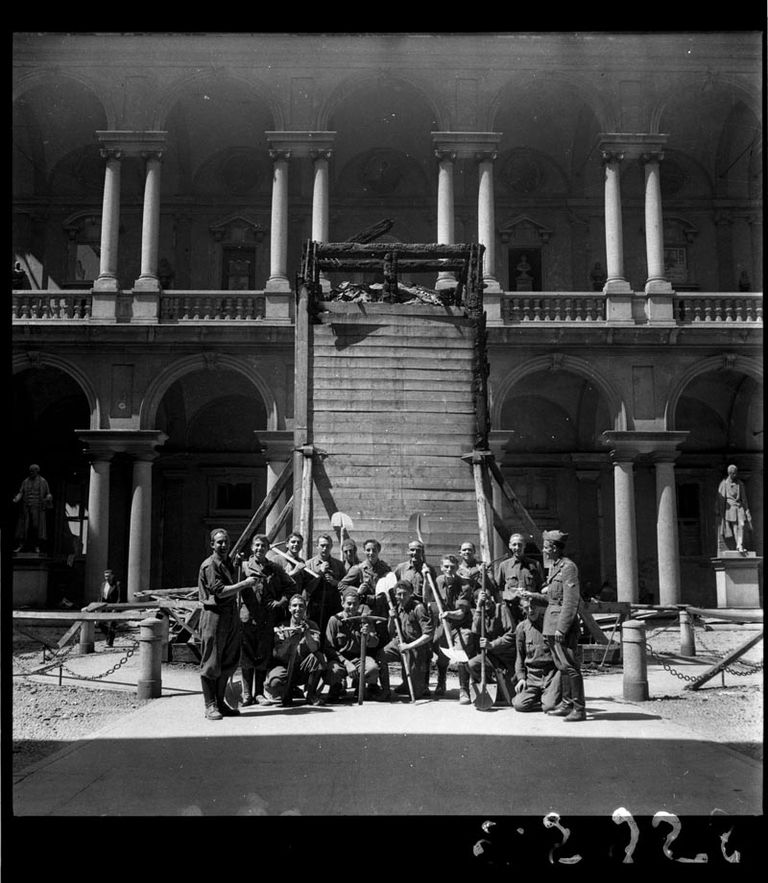
La protezione del Napoleone di Canova, 1942-1943
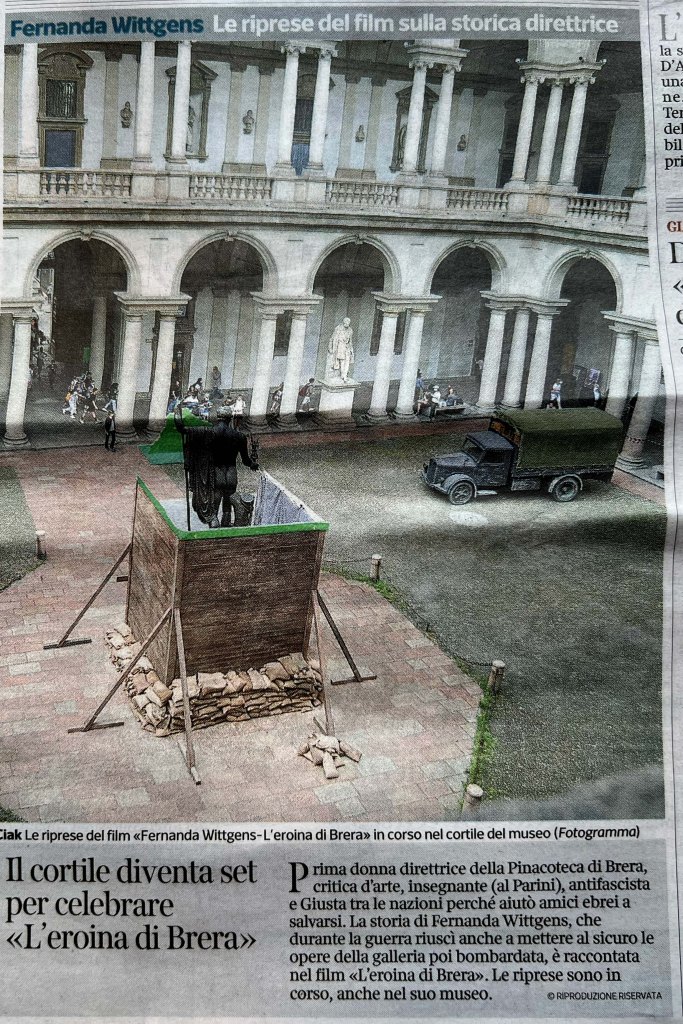
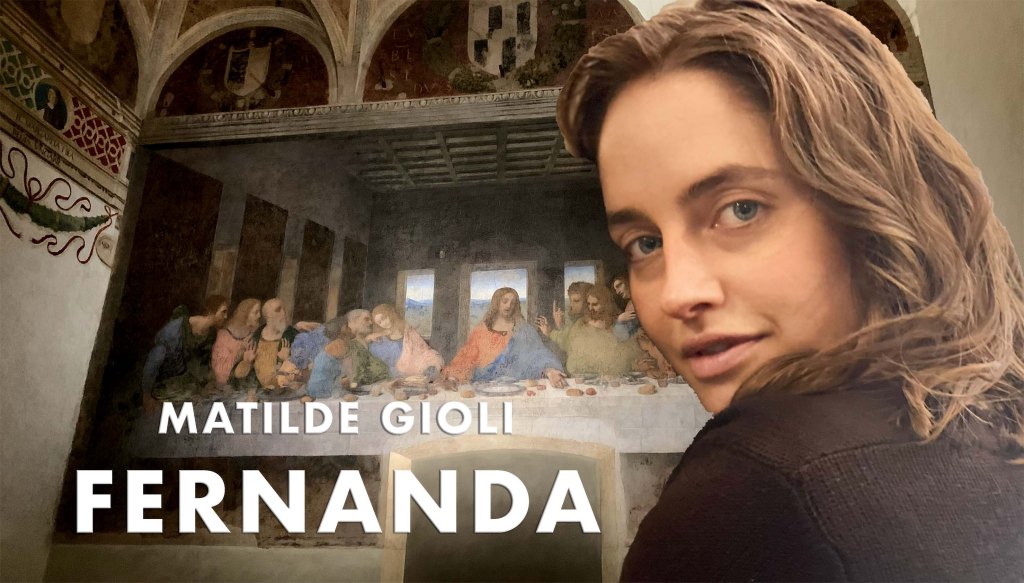
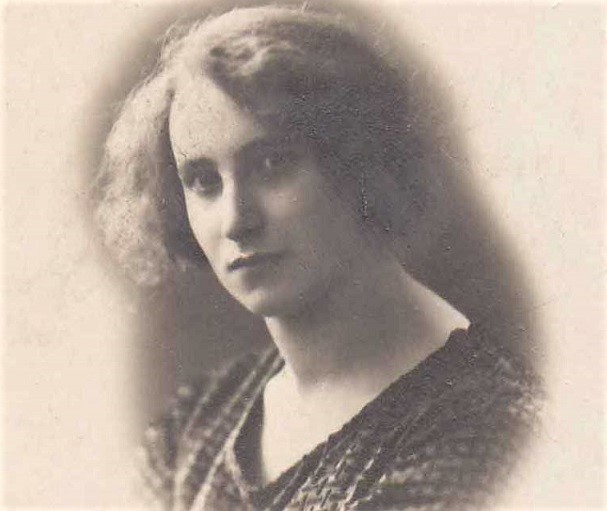
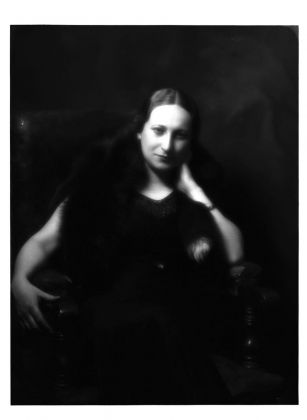
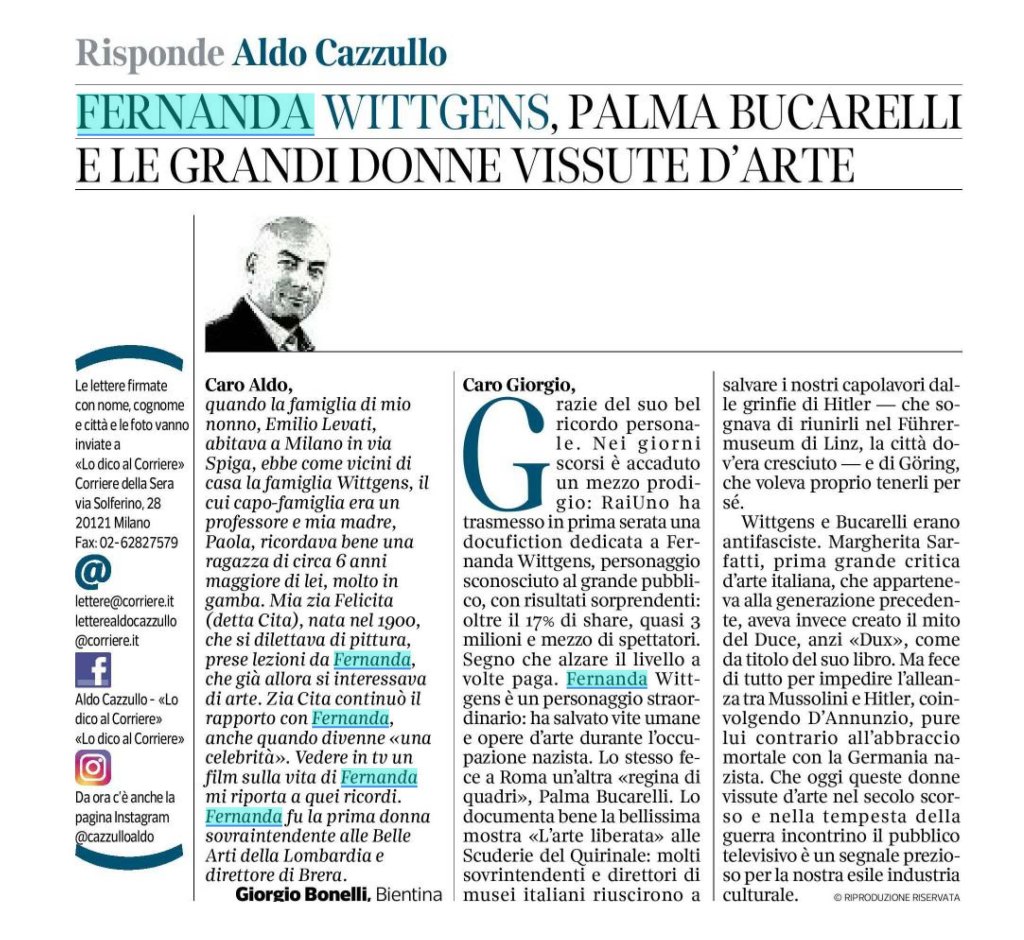
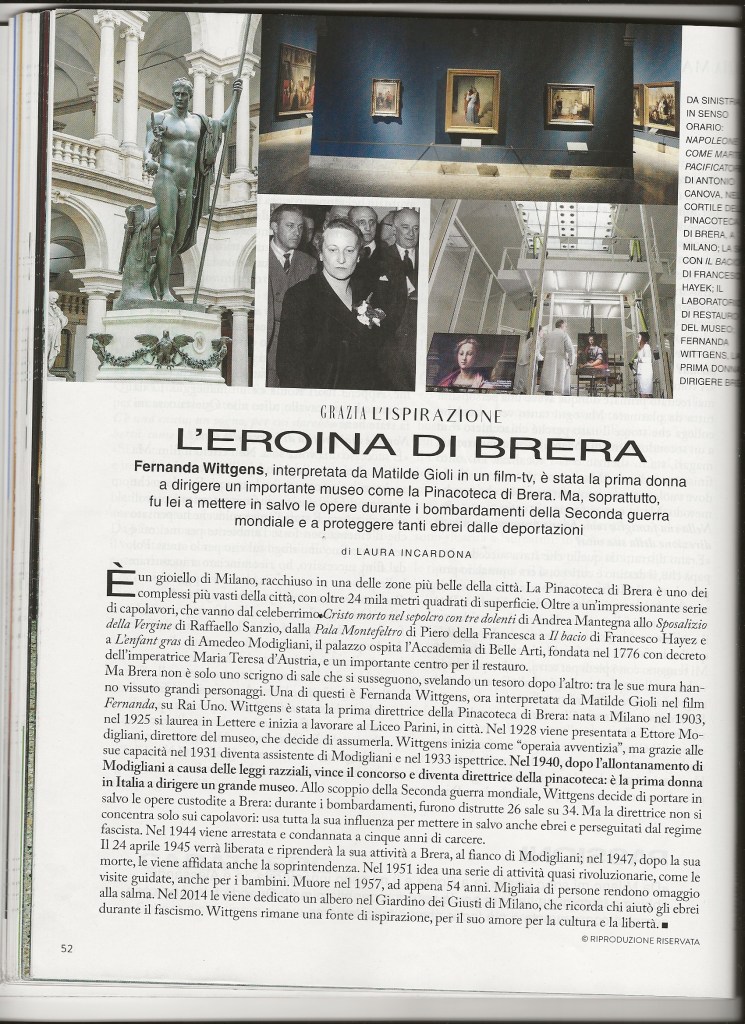
- Fernanda Wittgens è stata una figura importante per Milano, città dove è nata nel 1903, è stata la prima donna a rivestire l’incarico di Sovrintendente della Pinacoteca di Brera. Lo fece nel periodo più difficile, durante il secondo conflitto mondiale. Per il suo prestigio e per la sua benevolenza, Fernanda Wittgens è stata insignita di tanti riconoscimenti e, in seguito alla sua morte, sopraggiunta a Milano nel 1957, le è stata dedicata anche una via della città. Fernanda Wittgens fu assunta presso la Pinacoteca di Brera nel 1928, dopo una laurea in Lettere e una successiva specializzazione in Storia dell’Arte, come “operaia avventizia”, una mansione umilissima, ma la sua caparbietà, il suo impegno e la sua bravura la misero subito in luce con il direttore della Pinacoteca, Ettore Modigliani. Egli capì subito il suo talento, quando nel 1929-30 fece organizzare a Fernanda una mostra di arte italiana a Londra, la quale ebbe uno strepitoso successo. Così, Fernanda Wittgens divenne vice di Ettore Modigliani nel 1931 e nel 1941 divenne direttrice della Pinacoteca di Brera, dato che le leggi razziali avevano obbligato Modigliani a lasciare il suo paese. Dal 1941 al 1944 il suo ruolo a Brera fu fondamentale, è grazie alla sua opera se oggi possiamo vedere ancora le meraviglie contenute nella Pinacoteca; fu proprio la Wittgens a mettere al riparo le preziosissime opere dalle razzie naziste e dai bombardamenti. Diceva Fernanda: «Quando crolla una civiltà e l’uomo diventa una belva, chi ha il compito di difendere gli ideali? Sono i cosiddetti “intellettuali”. Sarebbe troppo bello essere “intellettuale” in tempi pacifici e diventare codardi, quando c’è pericolo». Questa sua forza d’animo le permise non soltanto di salvare le opere d’arte conservate nel museo milanese, ma anche numerose vite umane: fu l’artefice, infatti, della fuga in Svizzera del professore ebreo Paolo D’Ancona, della sua famiglia e di altri ebrei che nemmeno conosceva. Per questa ragione fu arrestata nel 1944 ma, con il finire della guerra, la sua reclusione terminò. Dopo la fine della guerra, affiancò di nuovo Modigliani, tornato a dirigere Brera, e lottò per avere i fondi per la riapertura della Pinacoteca, gravemente danneggiata durante i bombardamenti del secondo conflitto mondiale. Alla morte di Modigliani, Fernanda Wittgens lo sostituì nell’incarico e divenne anche sovrintendente delle gallerie d’arte in Lombardia. Muore prematuramente nelle prime ore dell’11 luglio 1957. La camera ardente è allestita davanti all’ingresso della Pinacoteca, in cima allo scalone d’onore, e vi partecipano migliaia di persone. Il funerale si tiene nella vicina chiesa di San Marco; al termine, Fernanda Wittgens viene tumulata al Cimitero Monumentale di Milano. Proprio per il suo operato durante la seconda guerra mondiale, il 6 marzo 2014 le è stato dedicato un albero nel Giardino dei Giusti: una donna forte e un esempio di giustizia, questi due tratti fanno di Fernanda Wittgens un modello da seguire.
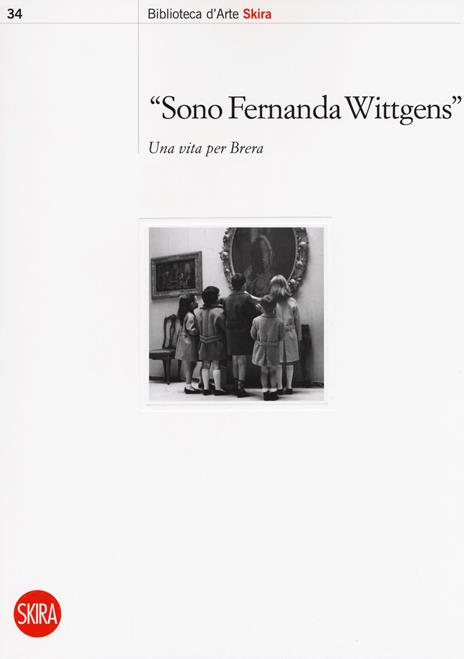
- G. Ginex , Sono Fernanda Wittgens, una vita per Brera, Milano, Skira, 2018.
Fernanda Wittgens was an important figure for Milan, the city where she was born in 1903; she was the first woman to hold the post of superintendent of the Brera Art Gallery. She did so during the most difficult period, during World War II. For her prestige and benevolence, Fernanda Wittgens was awarded many honors and, following her death, which occurred in Milan in 1957, a street in the city was also dedicated to her. Fernanda Wittgens was hired at the Pinacoteca di Brera in 1928, after a degree in Literature and a subsequent specialization in Art History, as a “casual worker,” a very menial job, but her stubbornness, commitment and skill immediately put her on the map with the Pinacoteca’s director, Ettore Modigliani. He immediately understood her talent when he had Fernanda organize an exhibition of Italian art in London in 1929-30, which was a resounding success. Thus, Fernanda Wittgens became Ettore Modigliani’s deputy in 1931 and in 1941 became director of the Brera Art Gallery, since racial laws had forced Modigliani to leave his country. From 1941 to 1944 her role at Brera was fundamental; it is thanks to her work that today we can still see the wonders contained in the Pinacoteca; it was Wittgens who sheltered the priceless works from Nazi raids and bombings. Said Fernanda: “When a civilization collapses and man becomes a beast, who has the task of defending ideals? It is the so-called “intellectuals.” It would be too good to be ‘intellectuals’ in peaceful times and become cowards when there is danger.” This strength of spirit enabled her not only to save the works of art preserved in the Milanese museum, but also numerous human lives: she was the architect, in fact, of the escape to Switzerland of the Jewish professor Paolo D’Ancona, his family and other Jews she did not even know. For this reason she was arrested in 1944 but, with the end of the war, her imprisonment ended. After the end of the war, she again flanked Modigliani, who had returned to direct Brera, and fought for funds to reopen the Pinacoteca, which had been badly damaged during the bombings of World War II. When Modigliani died, Fernanda Wittgens replaced him in the post and also became superintendent of art galleries in Lombardy. He died prematurely in the early hours of July 11, 1957. The funeral chamber is set up in front of the entrance to the Pinacoteca, at the top of the grand staircase, and thousands of people attend. The funeral is held in the nearby church of San Marco; at the end, Fernanda Wittgens is buried in Milan’s Monumental Cemetery. Precisely for her work during World War II, a tree in the Garden of the Righteous was dedicated to her on March 6, 2014: a strong woman and an example of justice, these two traits make Fernanda Wittgens a role model.
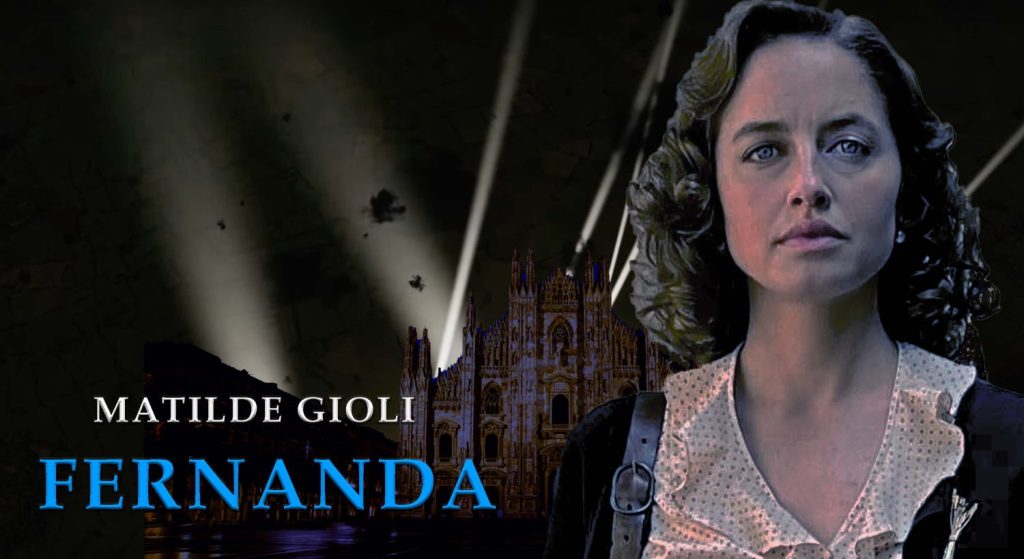
I fought for the dignity and salvation of people with the same determination that I put into saving the works of the Brera Art Gallery.” Fernanda Wittgens
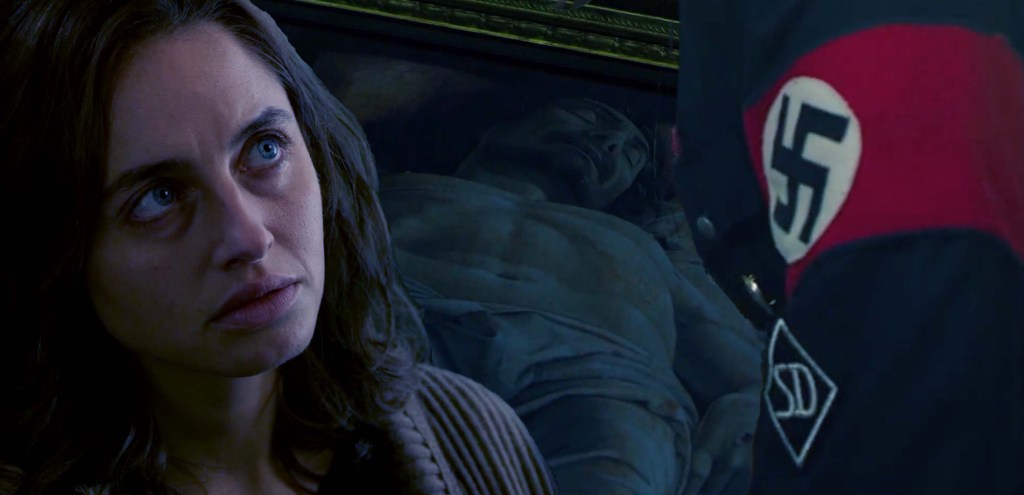
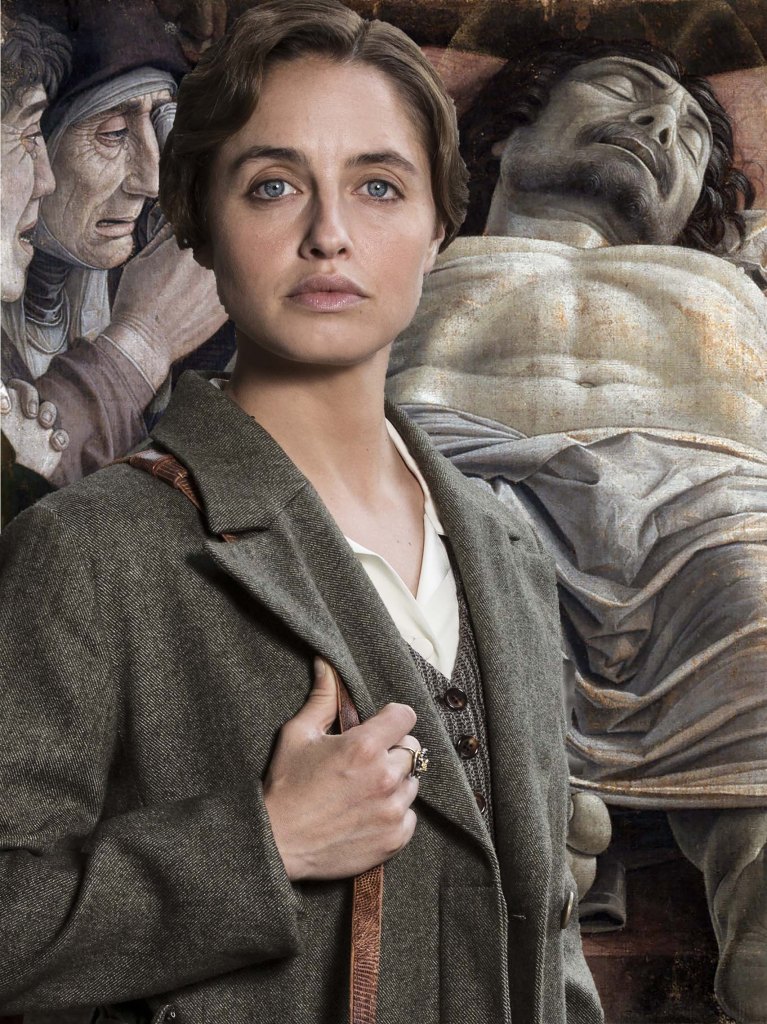
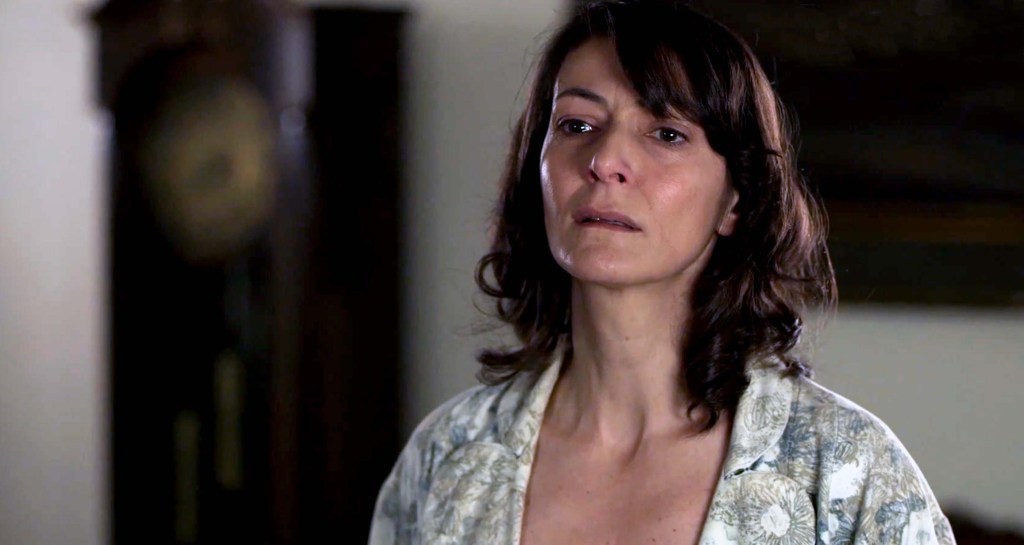
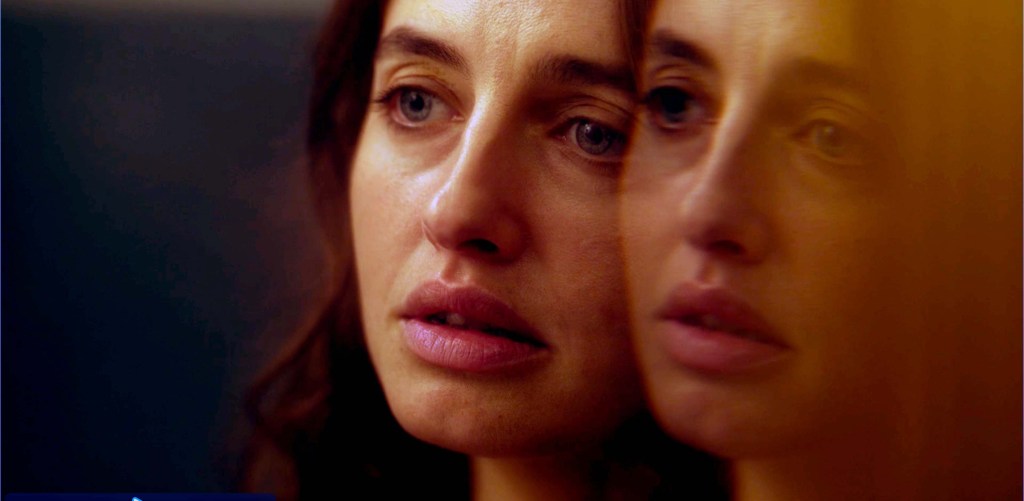
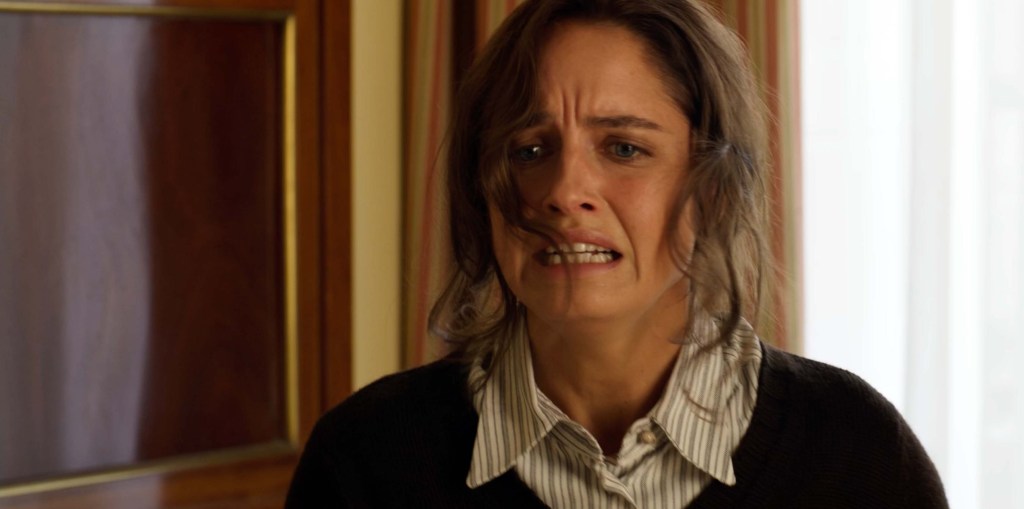
FOTO DI LAVORAZIONE
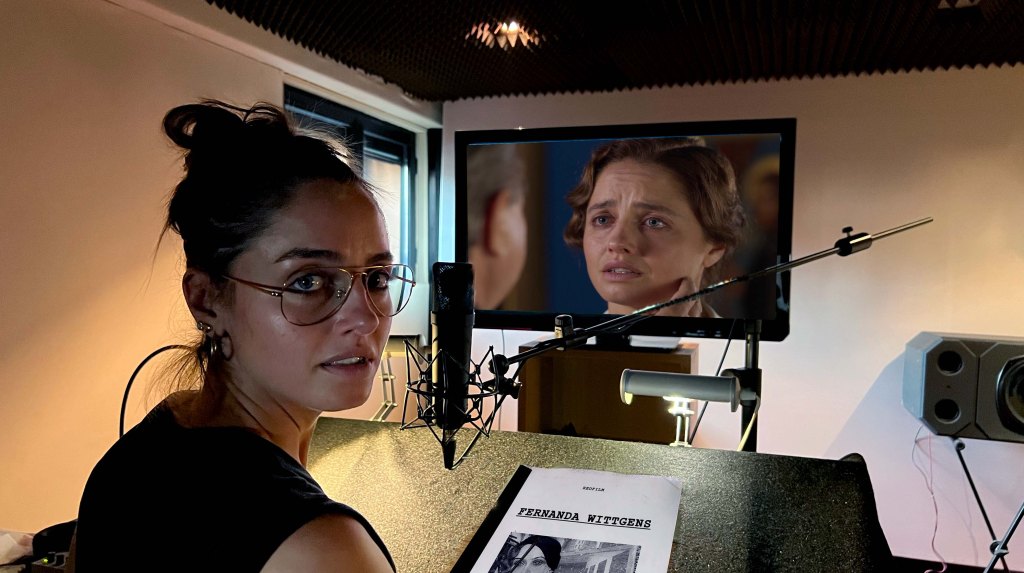
Matilde Gioli al doppiaggio
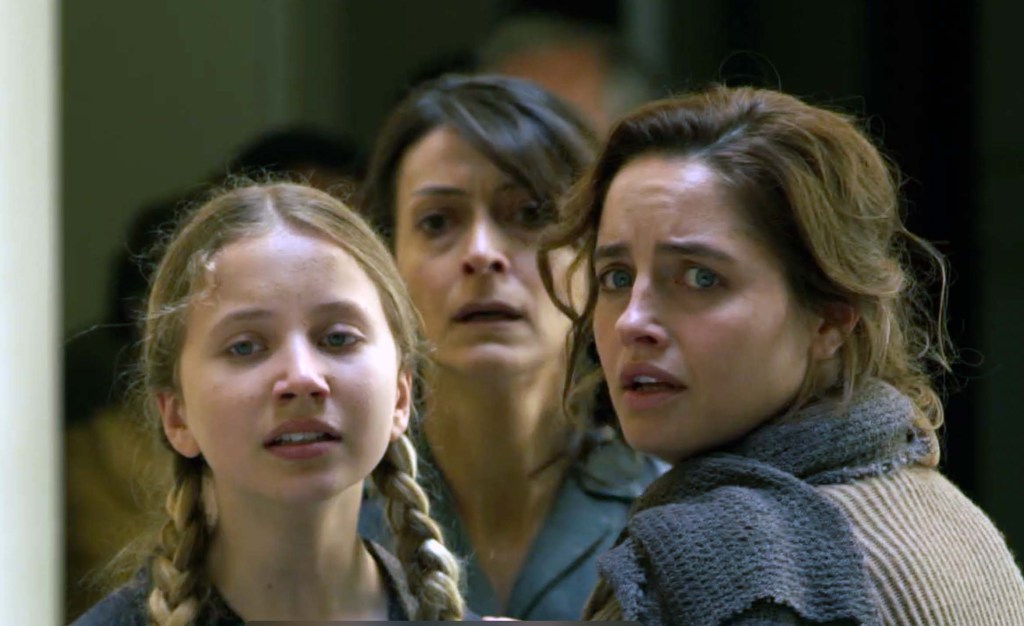
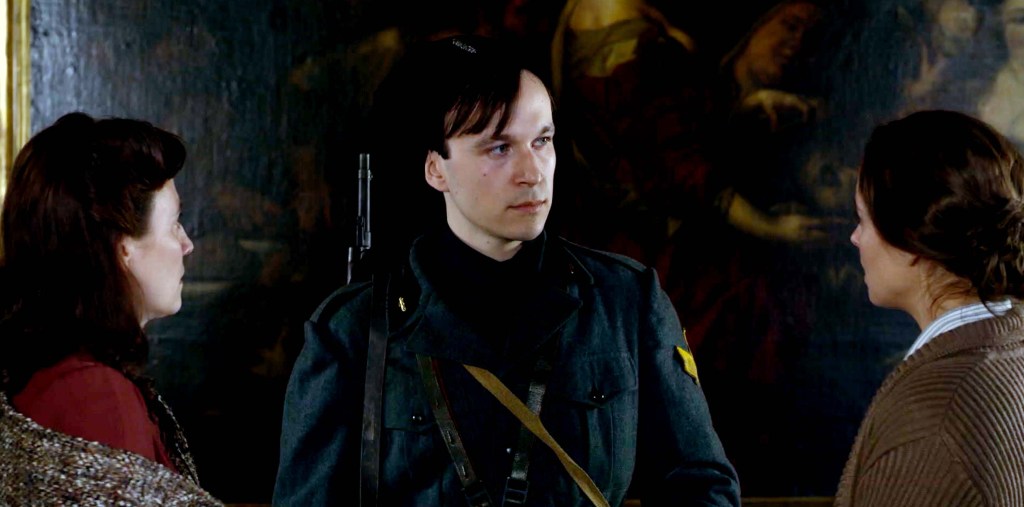
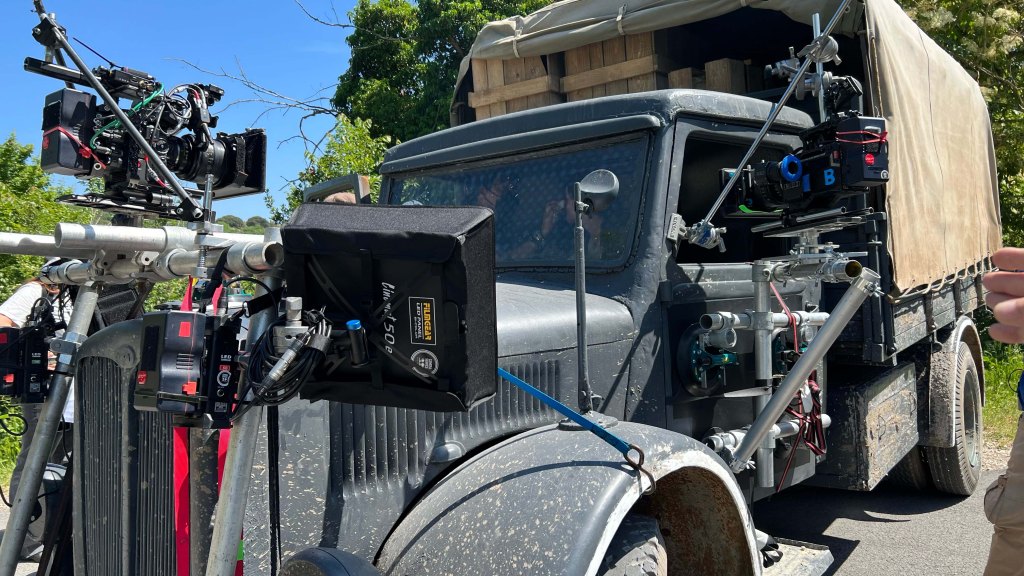
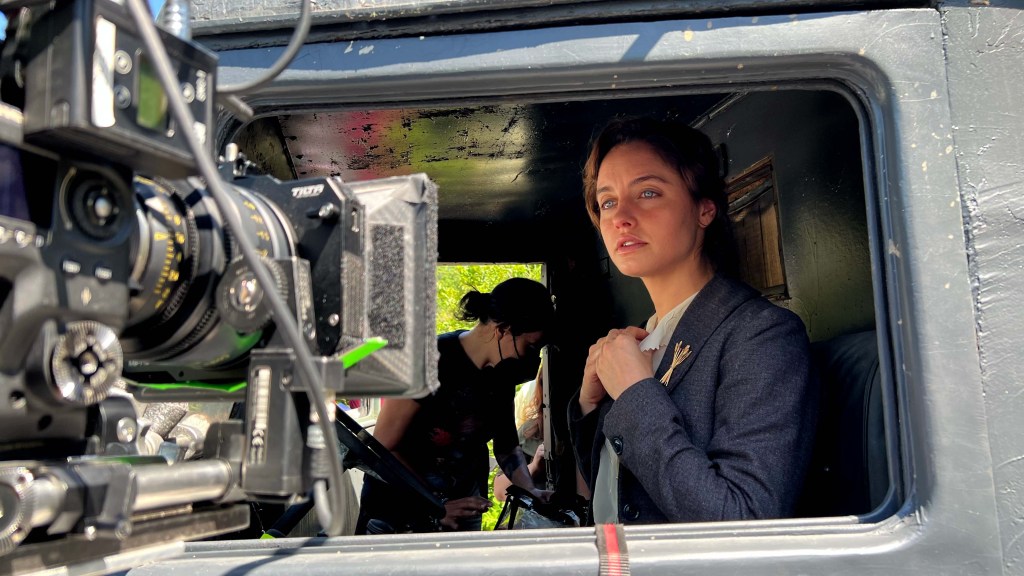
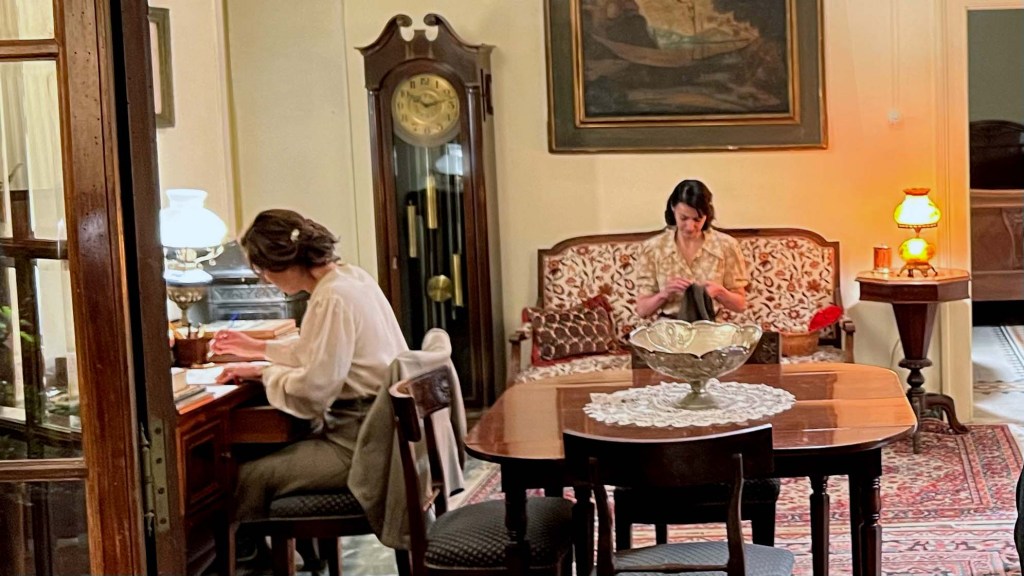
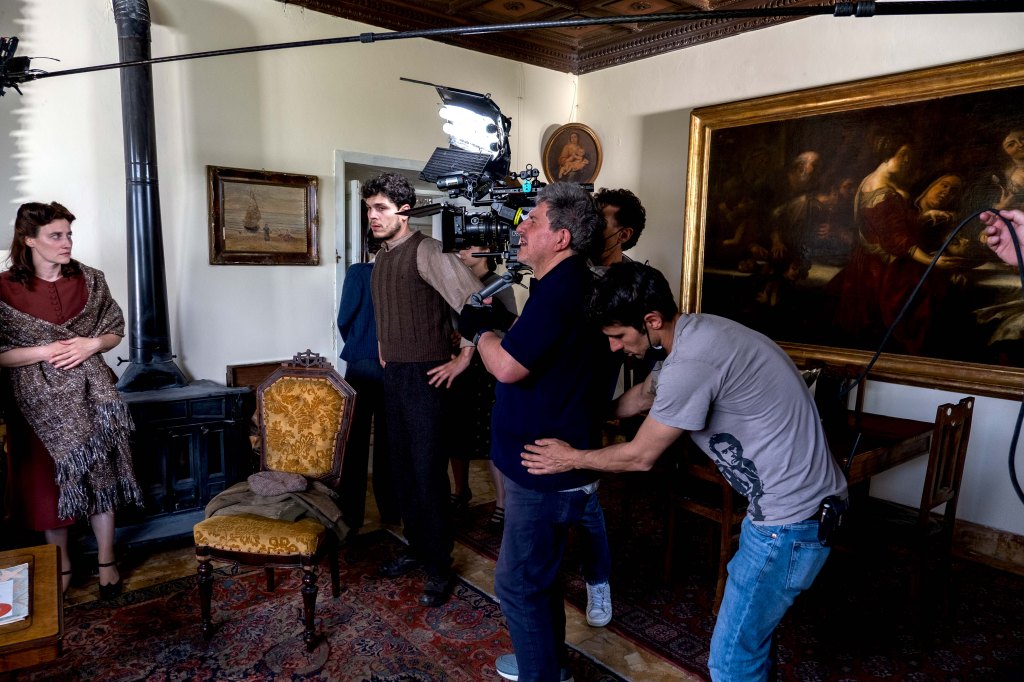
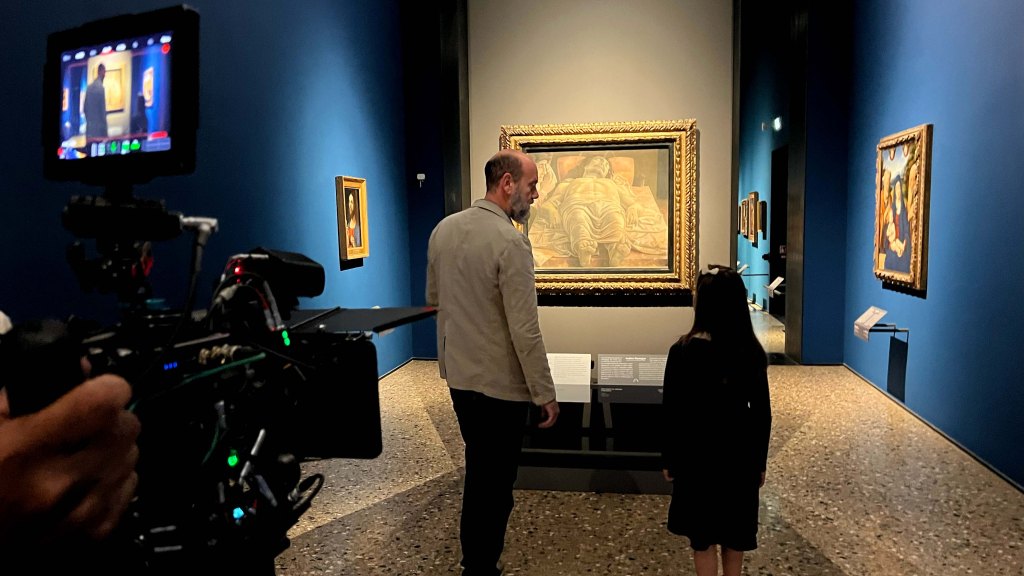

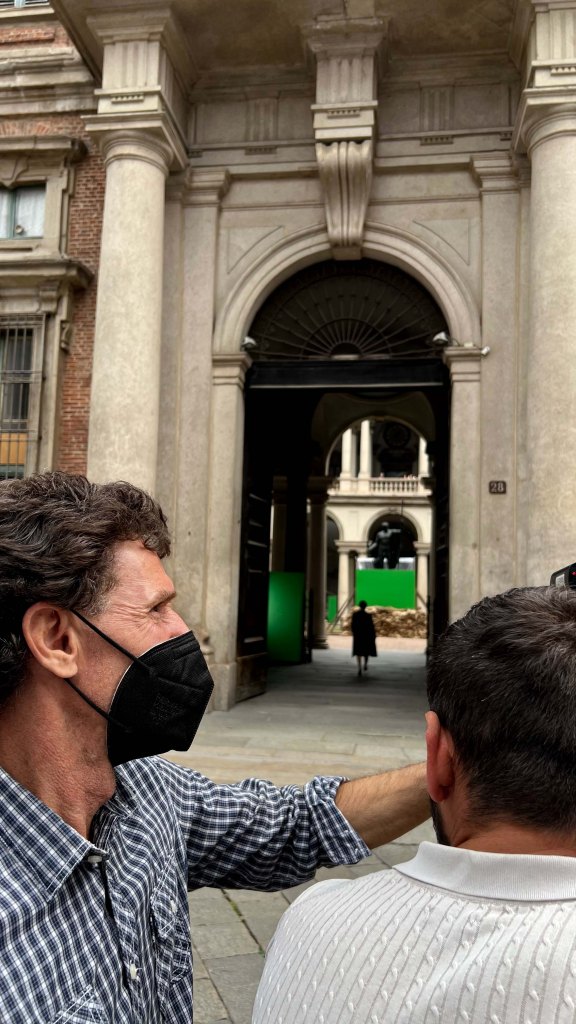
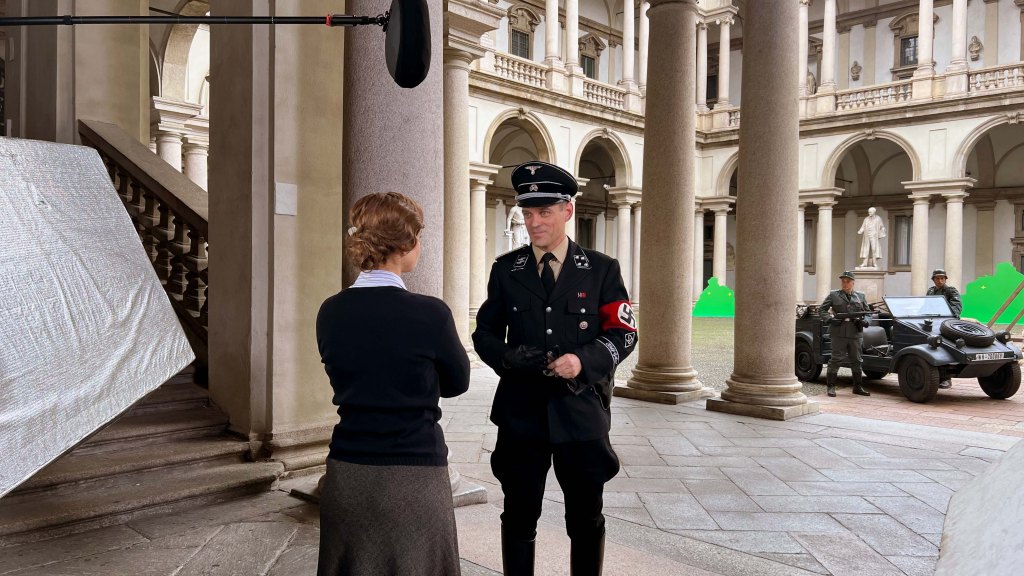
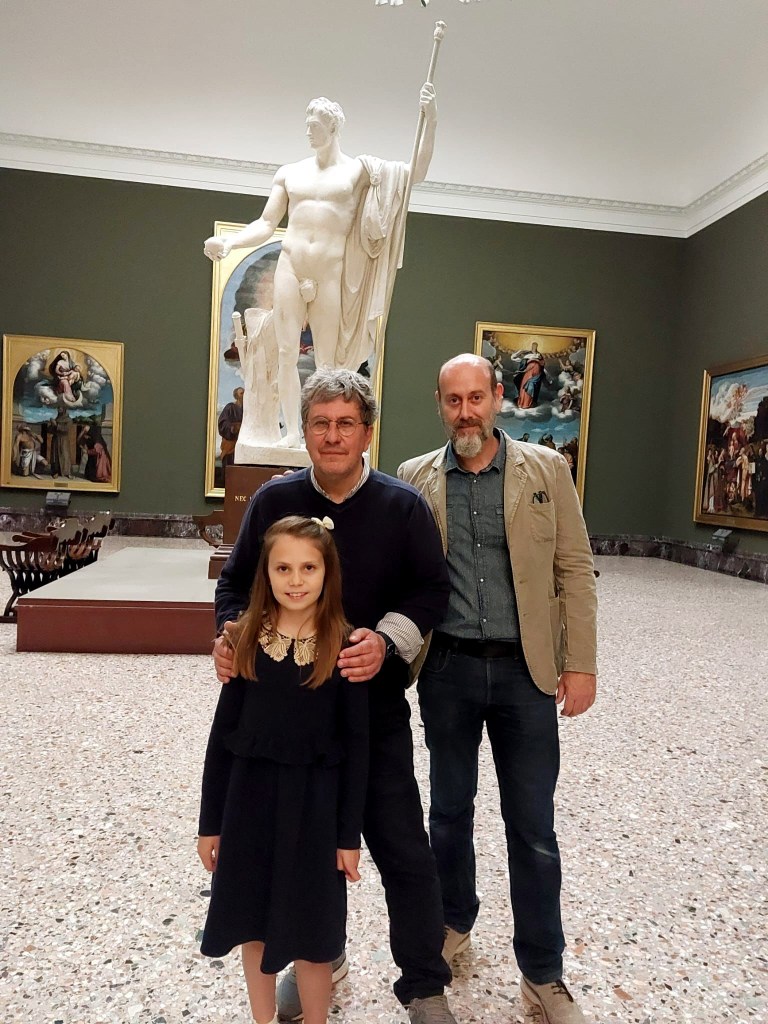
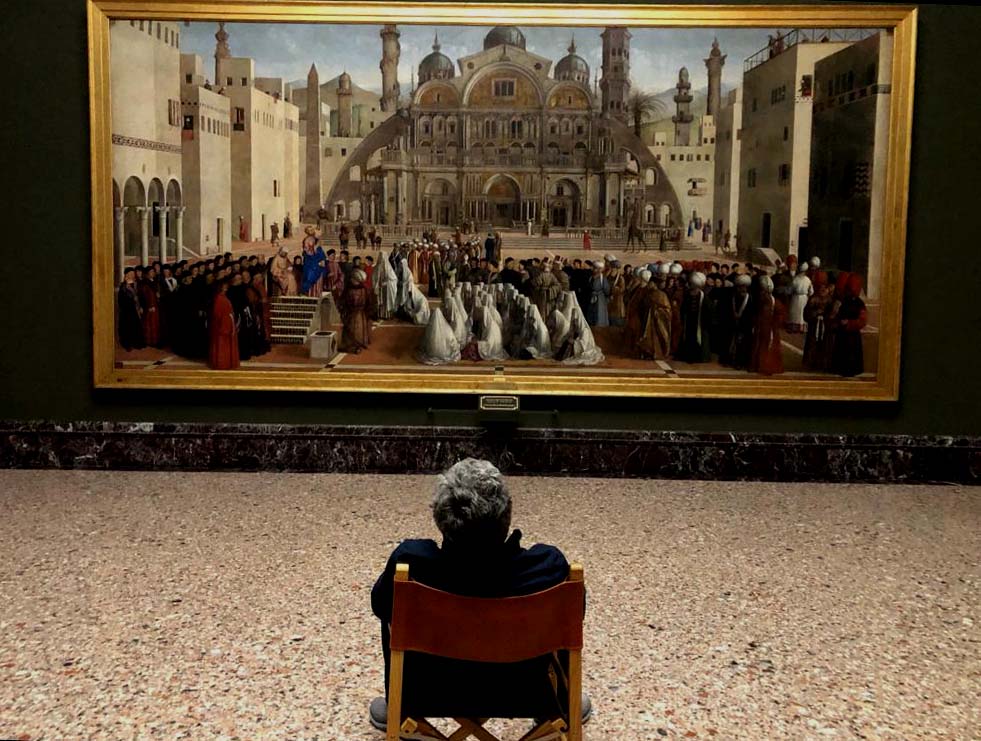

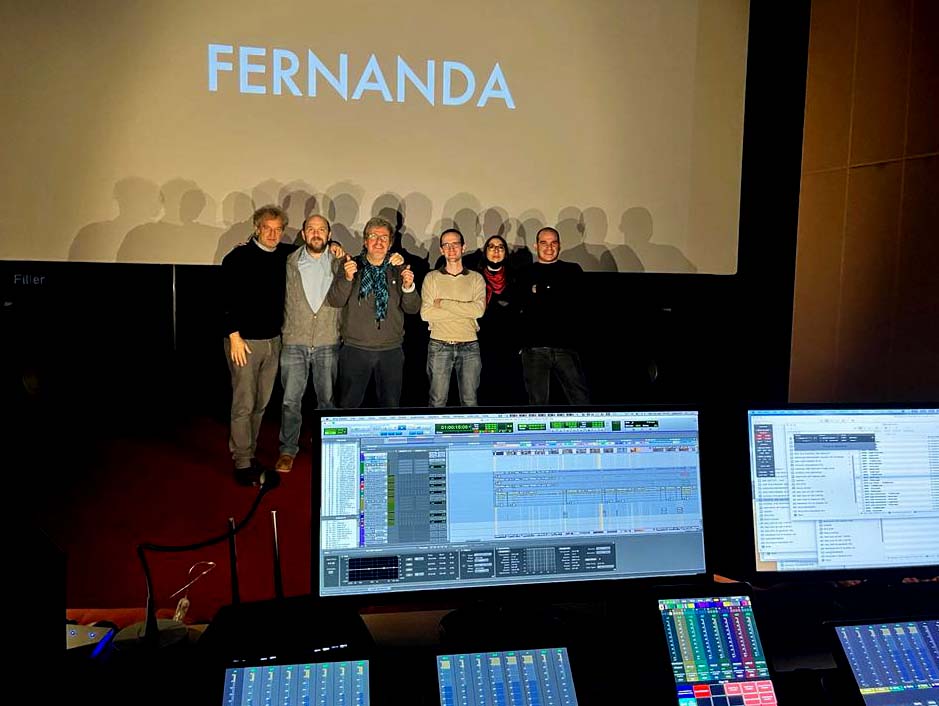
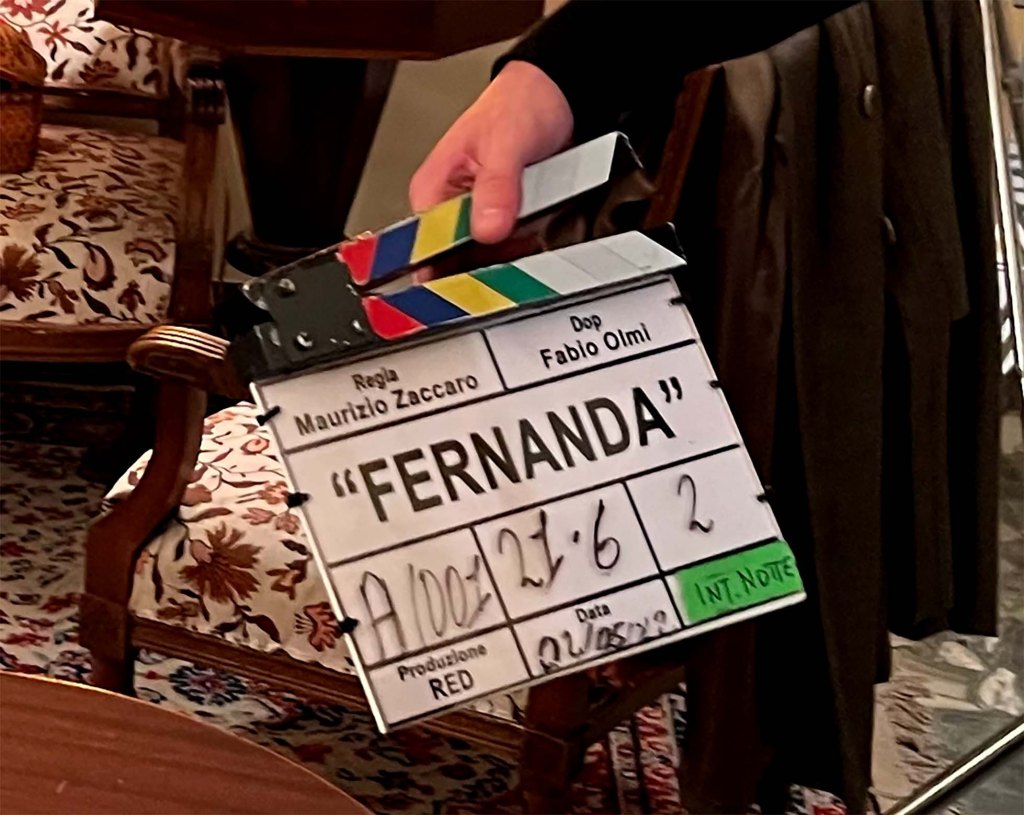
Nota Bene: Le fotografie dal set qui pubblicate sono tutelate a norma di legge. Senza il permesso degli autori, nonché della Redfilm, casa produttrice di “Fernanda” e di Rai-Fiction, la loro diffusione (anche solo inserendole sul proprio sito o pagina social) non è consentita. La violazione del diritto d’autore prevede multe costose e, nel peggiore dei casi, querele e udienze.
Please note: The photographs from the set published here are protected by law. Without the permission of the authors, as well as Redfilm, the producer of “Fernanda” and Rai-Fiction, their dissemination (even if only by placing them on one’s own site or social page) is not allowed. Copyright infringement carries expensive fines and, in the worst case, lawsuits and hearings.
CRITICHE NEGATIVE
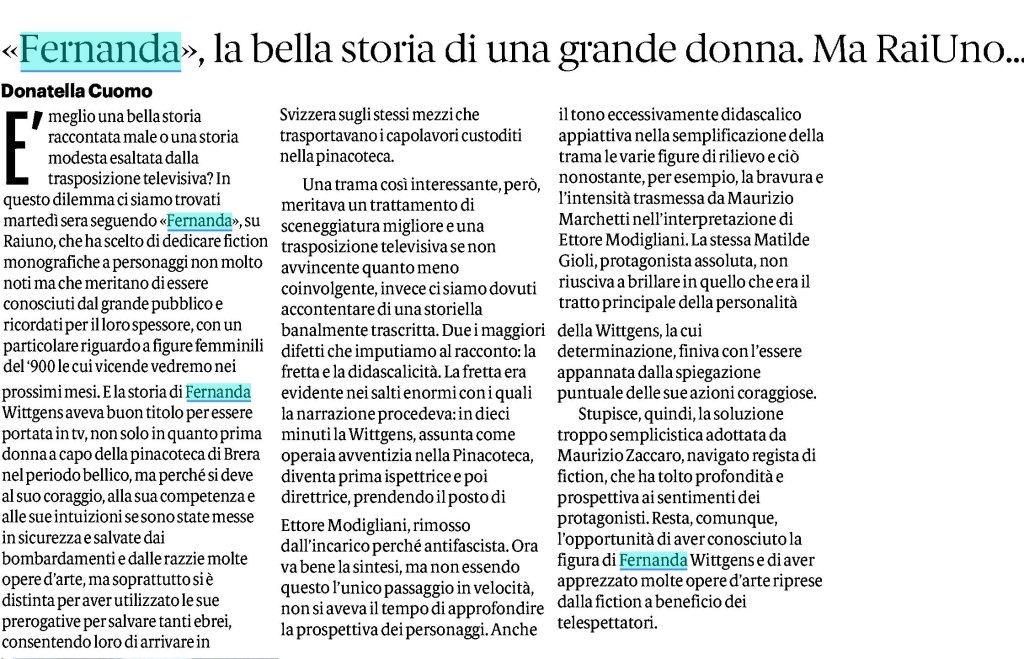
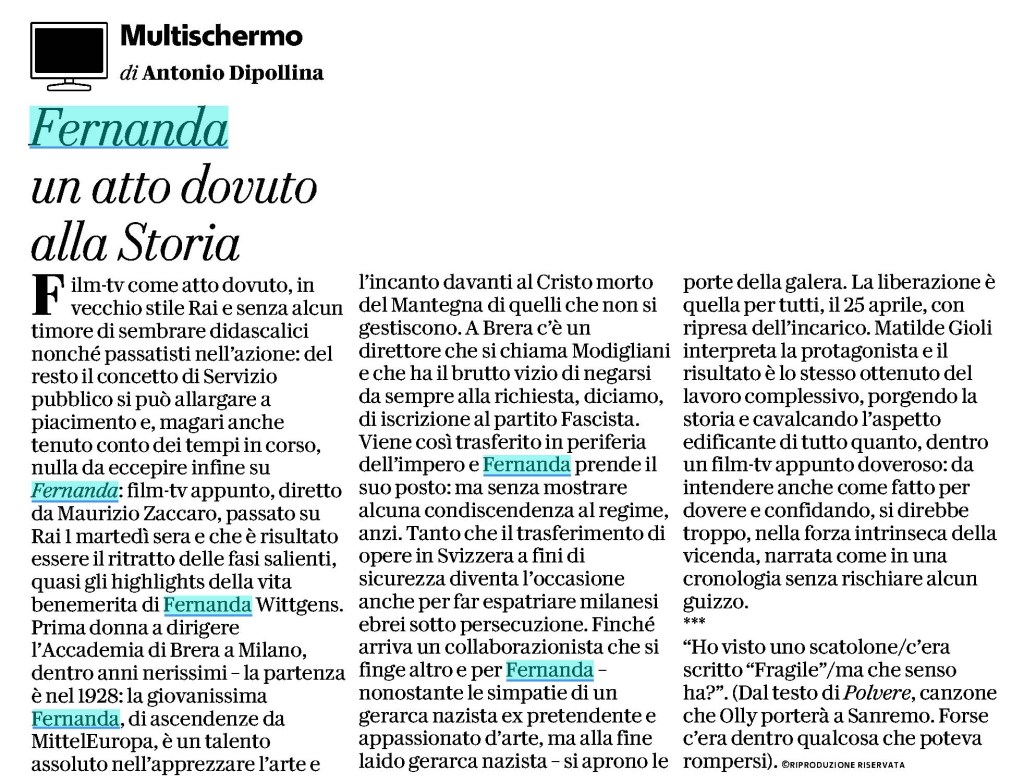
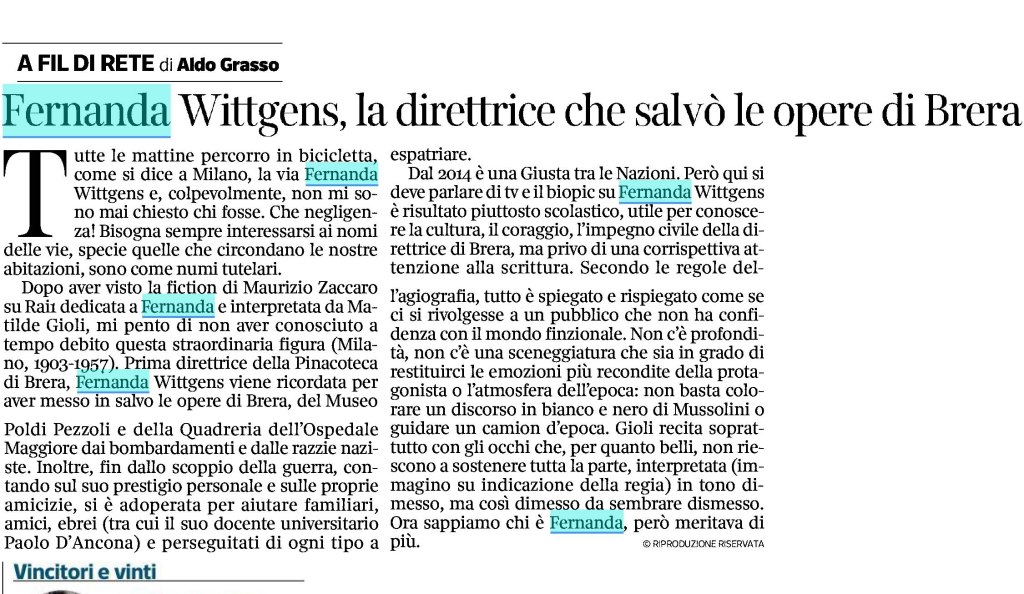
NOTA SU CRITICHE NEGATIVE
Sono d’accordo, “FERNANDA” poteva venire mille volte meglio se solo fossi stato libero di raccontare come avrei voluto, se solo gli “autori” e la Rai mi avessero dato non dico tanto ma almeno un po’ retta quando chiedevo di andare più in profondità nel racconto, di dare più spessore ai dialoghi e al personaggio. Ma per la televisione un regista è solo un sarto, non lo stilista. E allora taglia e cuci sempre lo stesso abito. Lavorare per un network generalista è questo: c’è poco da “guizzare”. In poche parole, non si può entrare da McDonald’s e chiedere un consommé di pollo ruspante. Ma a tutto c’è un limite. La critiche di Grasso, Dipollina, la Cuomo e tanti altri sono sacrosante, ci mancherebbe altro, e in questo caso in parte azzeccate, almeno finché restano nell’ambito della critica. Dire però che un’attrice recita solo con gli occhi è solo cattiveria. Matilde Gioli è una artista che, pur giovanissima, ha dato ogni giorno sul set il meglio di se stessa, con coraggio e soprattutto incommensurabile talento. Come del resto tutti gli altri attori che hanno lavorato in “Fernanda”. Se poi il film è “modesto”, “senza guizzi” e “profondità” è un altro discorso, nel senso che non avrei mai dovuto accettare certi compromessi produttivi (poco tempo, poco denaro, etc) che alla fine si sono rivelati fatali. Ma chi è causa del suo mal pianga se stesso, dice il proverbio. M.Z.
NOTE ON NEGATIVE CRITIQUE
I agree, “FERNANDA” could have come out a thousand times better if only I had been free to tell it the way I wanted, if only the “authors” and Rai had given me not to say so much but at least a little heed when I asked to go deeper into the story, to give more depth to the dialogues and the character. But for television a director is only a tailor, not the stylist. So he always cuts and sews the same dress. Working for a generalist network is this: there is little “darting around.” Simply put, you can’t walk into McDonald’s and ask for a free-range chicken consommé. But there is a limit to everything. The criticisms of Grasso, Dipollina, Cuomo and so many others are sacrosanct, we’d better believe it, and in this case partly apt, at least as long as they remain within the realm of criticism. To say, however, that an actress acts only with her eyes is just meanness. Matilde Gioli is an artist who, though very young, has given the best of herself every day on the set, with courage and above all immeasurable talent. As did all the other actors who worked in “Fernanda.” Whether then the film is “modest,” “without flashes” and “depth” is another matter, in the sense that I should never have accepted certain production compromises (little time, little money, etc.) that in the end proved fatal. But let he who is the cause of his own ill weep for himself, the saying goes. M.Z.
LIBRI SU FERNANDA WITTGENS
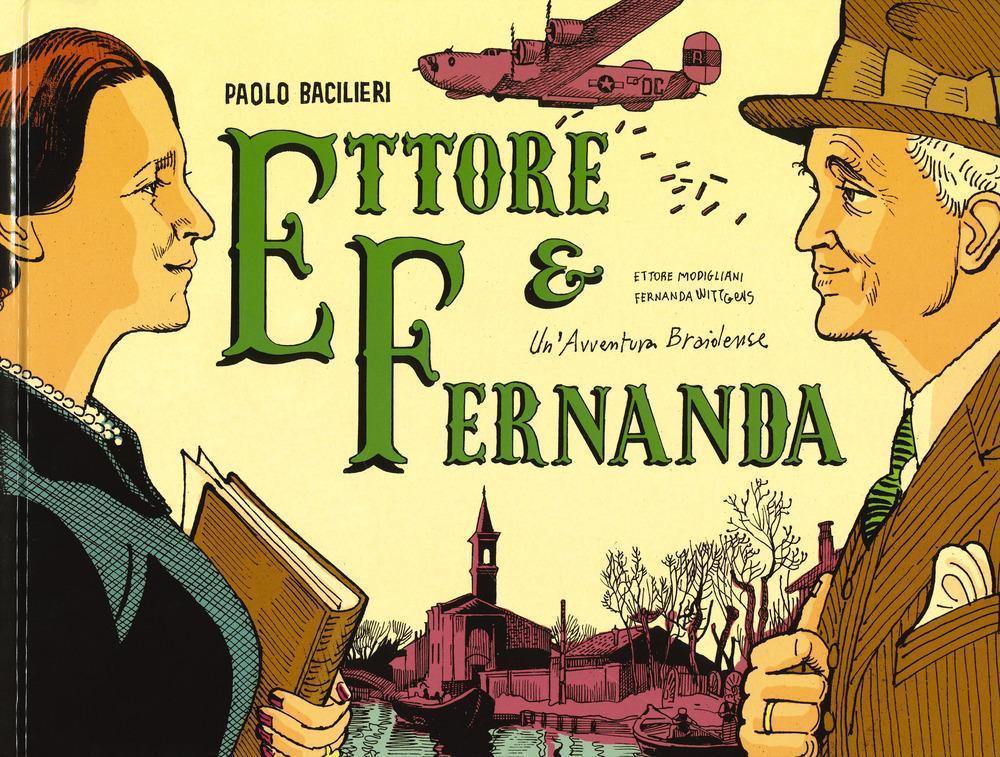
“L’errore delle mie sorelle e tuo è di credere che io sia trascinata dal buon cuore o dalla pietà ad aiutare, senza sapere il rischio. È invece un proposito fermo che risponde a tutto il mio modo di vivere: io non posso fare diversamente perché ho un cervello che ragiona così, un cuore che sente così”.
“The mistake of my sisters and yours is to believe that I am dragged by good heart or pity to help, without knowing the risk. Instead, it is a firm purpose that responds to my whole way of life: I cannot do otherwise because I have a brain that reasons this way, a heart that feels this way.”
Fernanda Wittgens, Lettera dal carcere di San Vittore alla madre, Milano, 13 settembre 1944
Fernanda Wittgens, Letter from San Vittore prison to her mother, Milan, September 13, 1944
IL FRANCOBOLLO

The Ministry of Development issued on June 10, 2019 an ordinary stamp belonging to the thematic series “the Excellencies of Knowledge” dedicated to the Brera Art Gallery, on the 210th anniversary of its foundation, related to the value of tariff B, corresponding to €1.10.
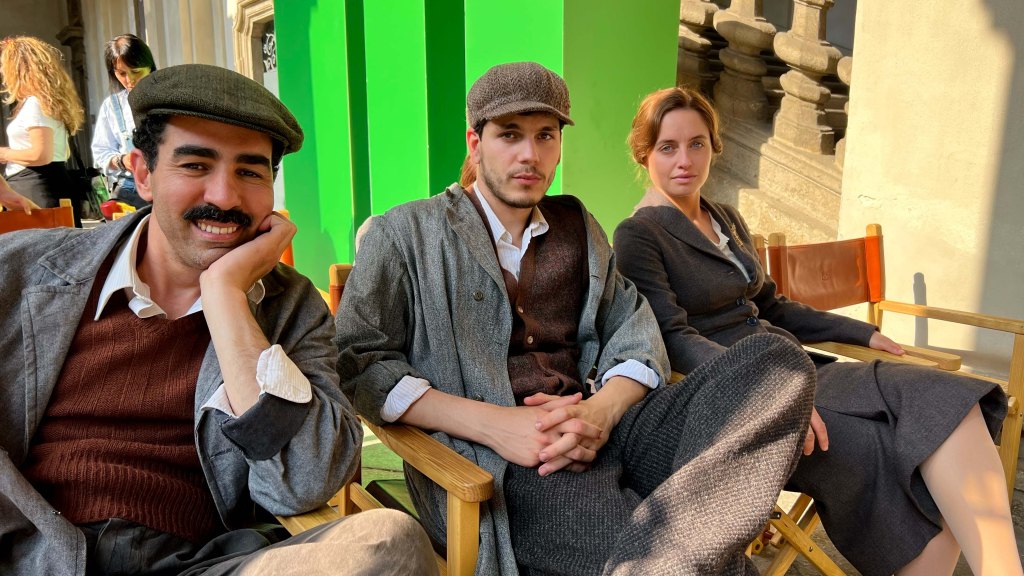
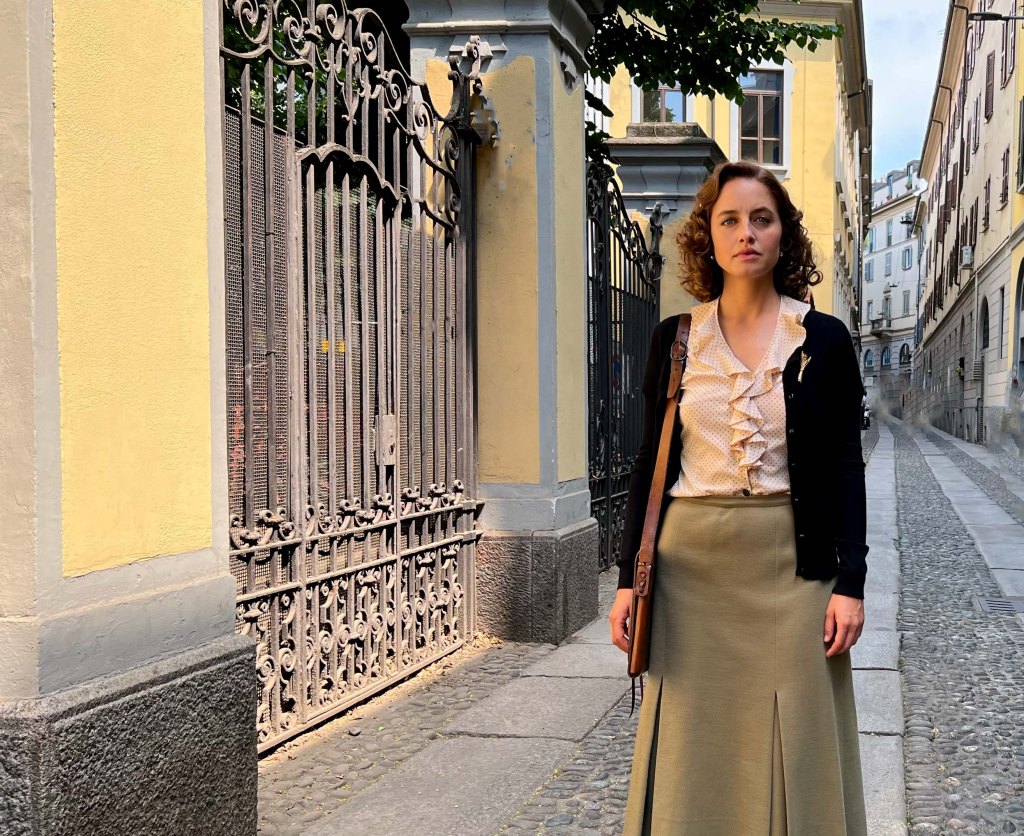
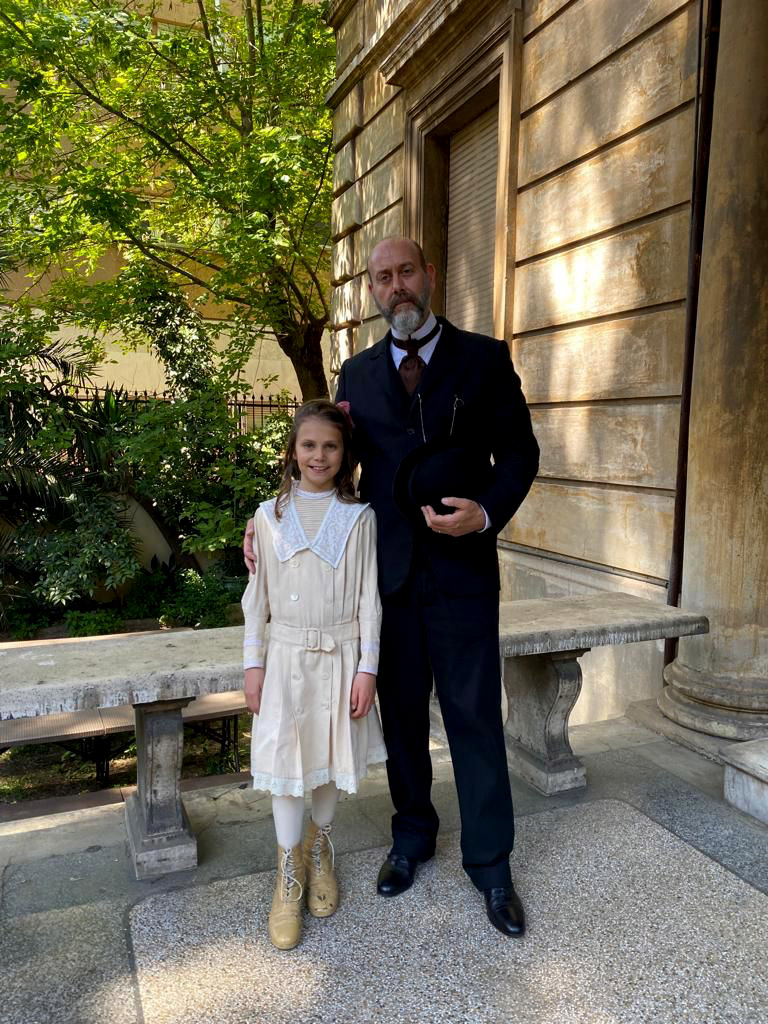
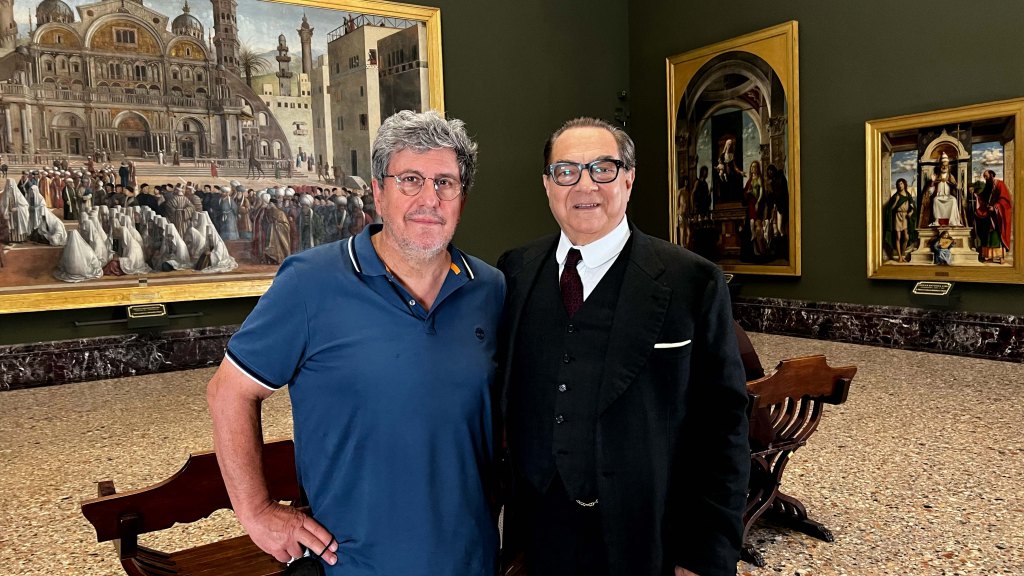
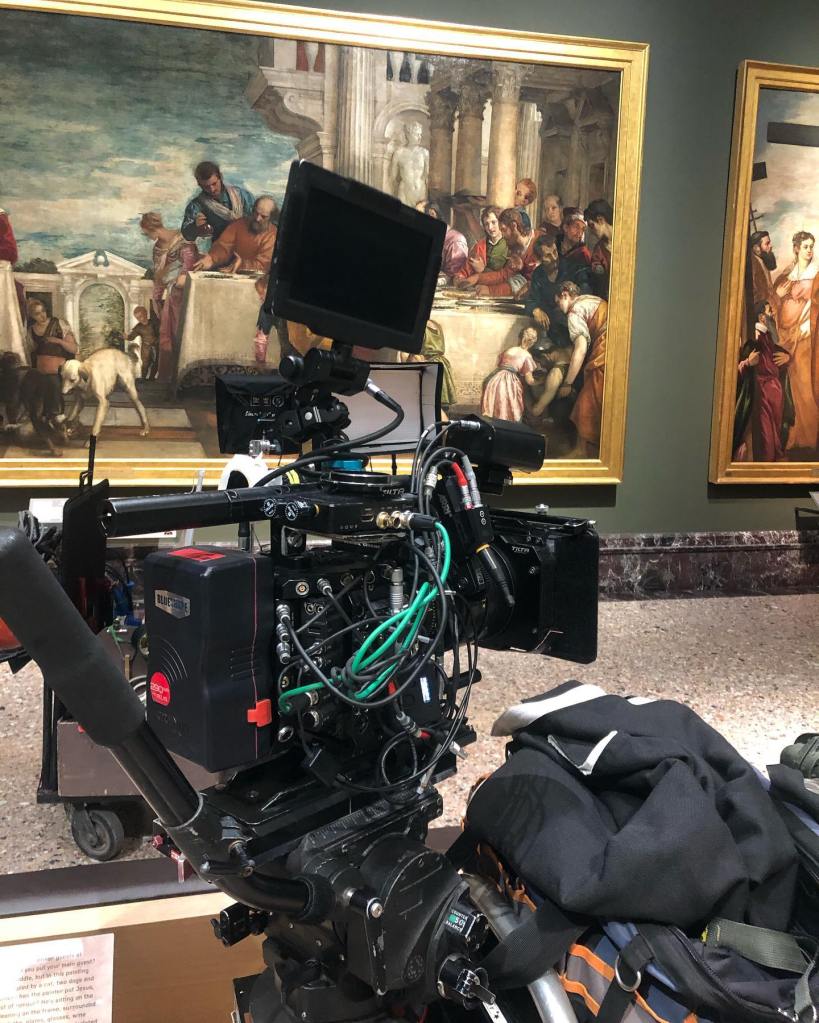
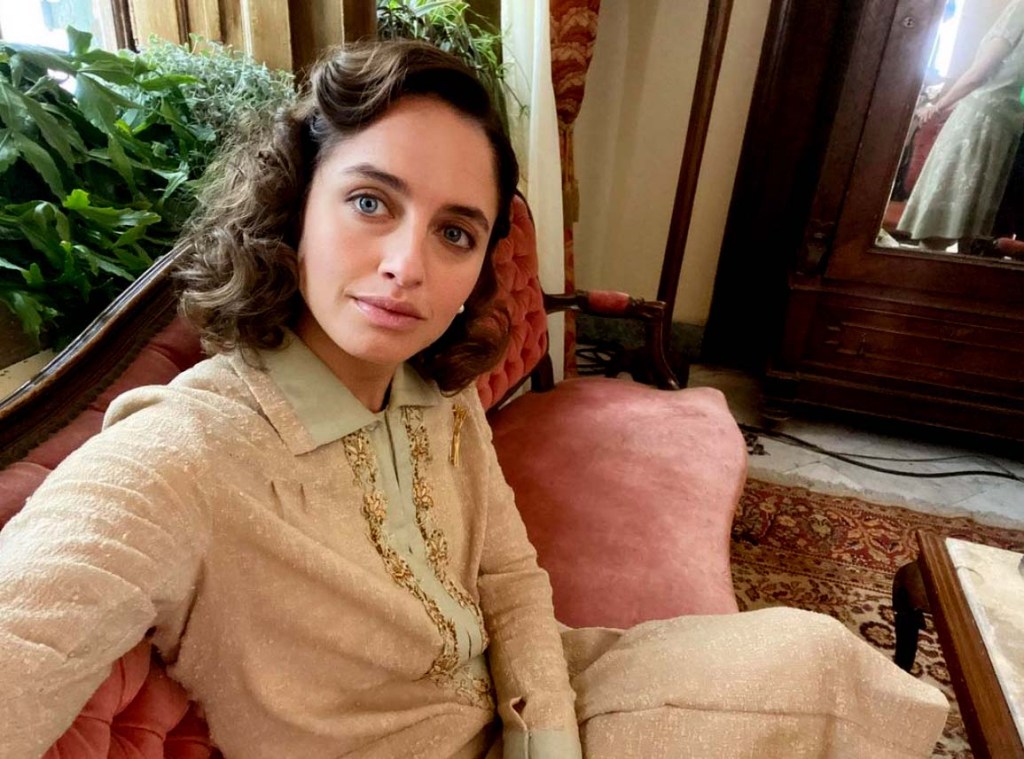
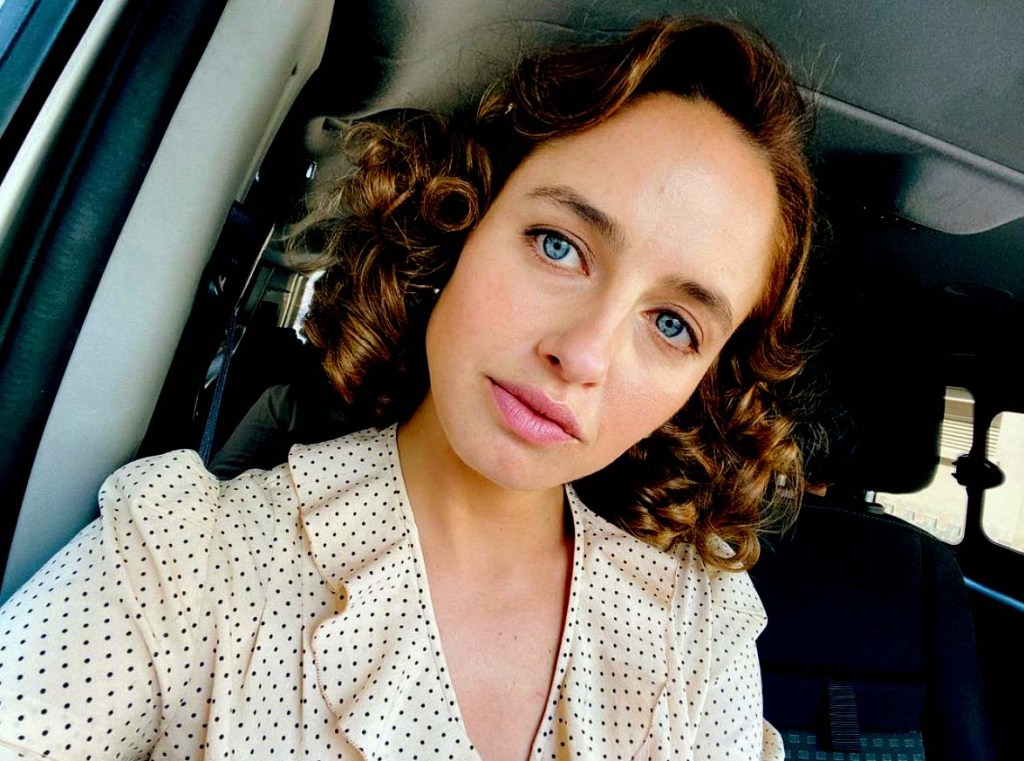
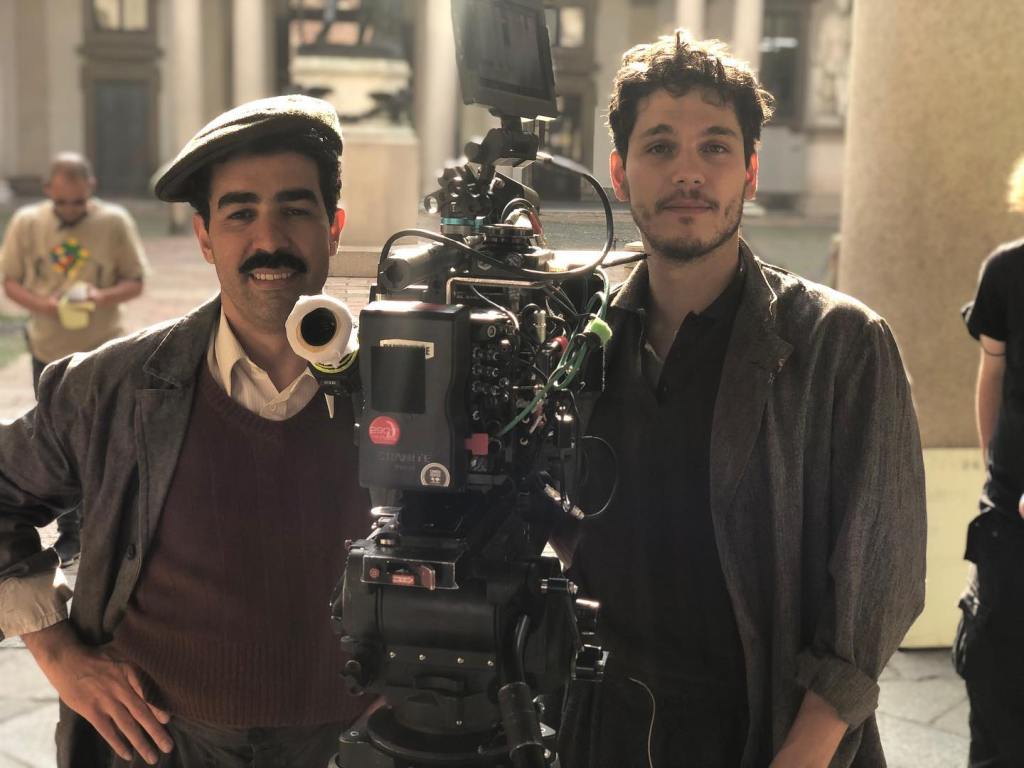
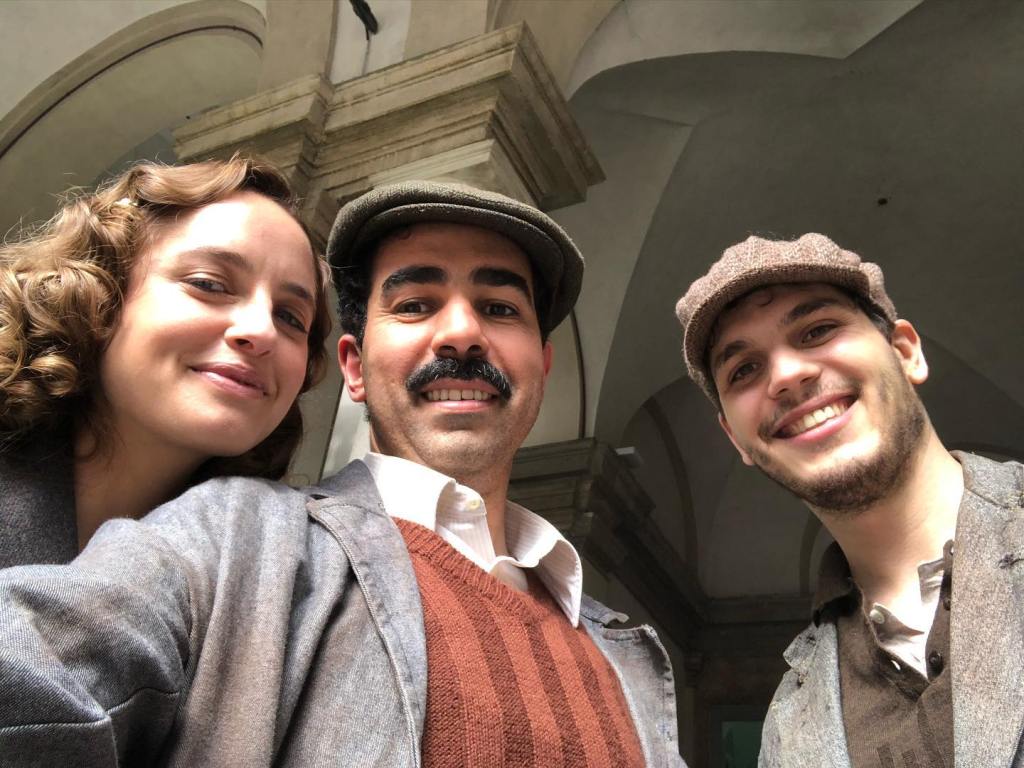
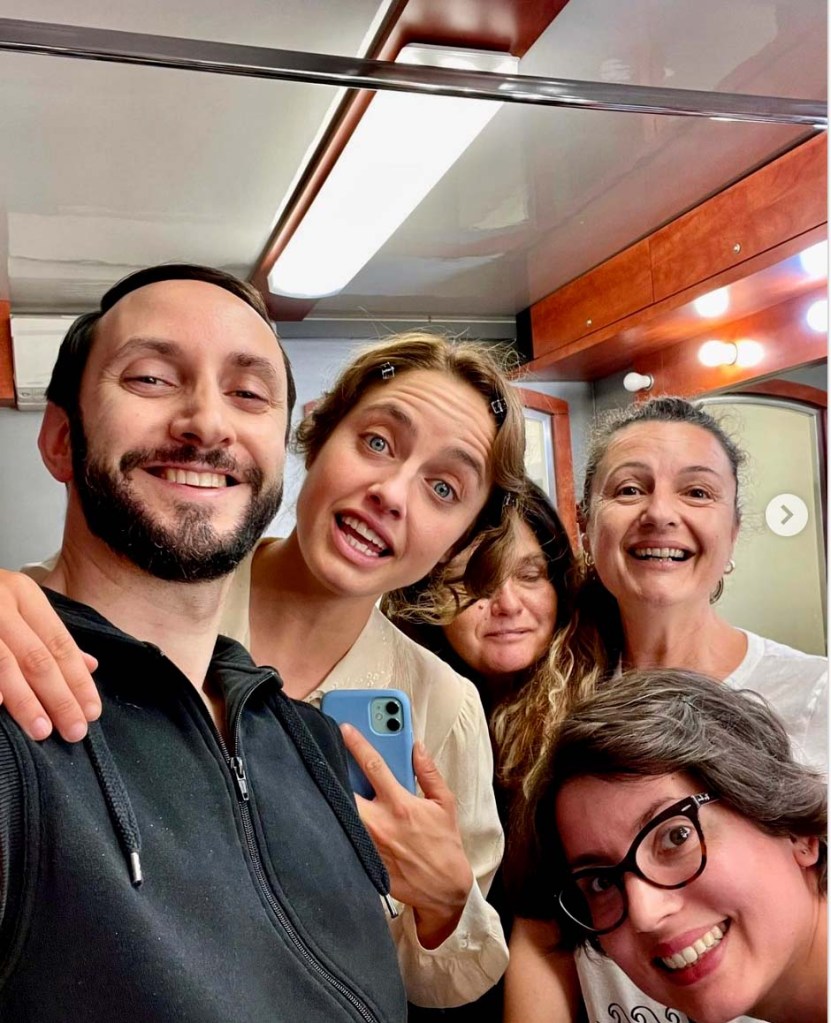
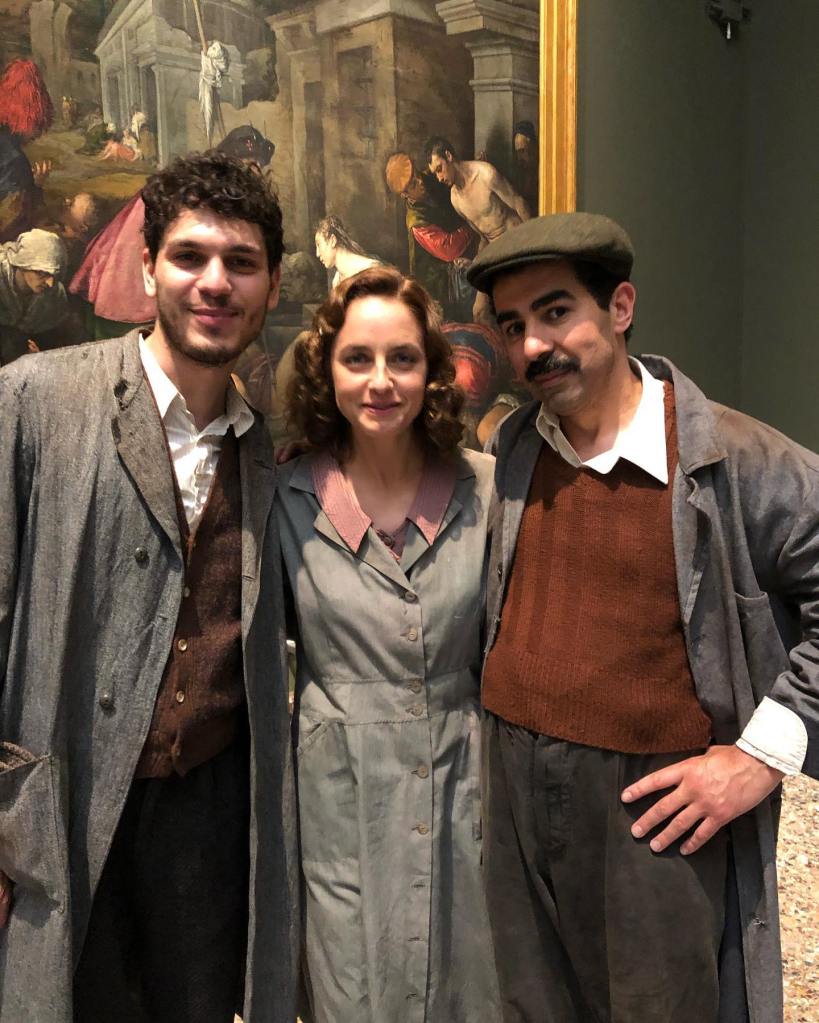
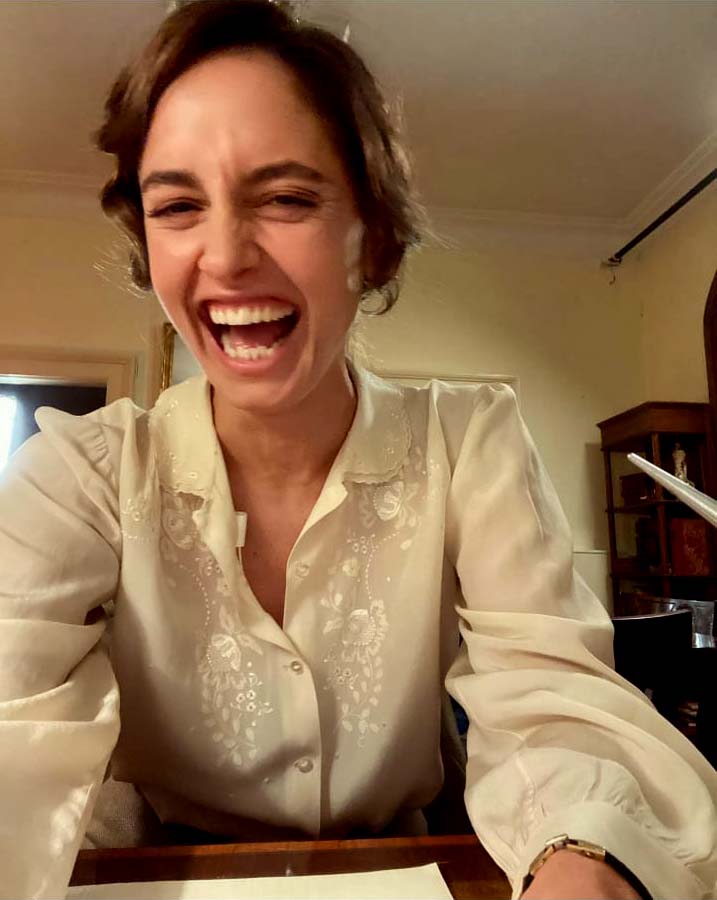
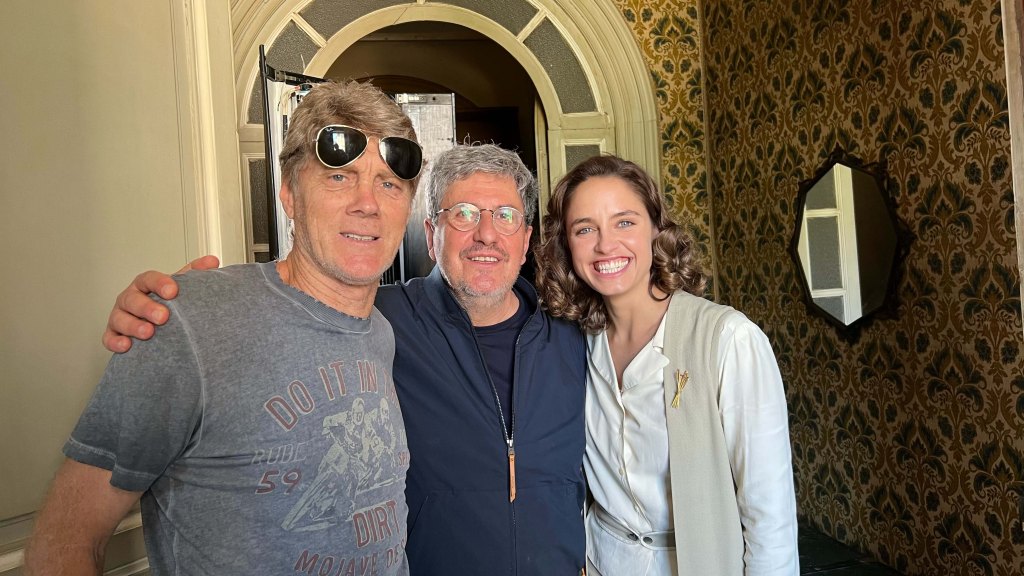
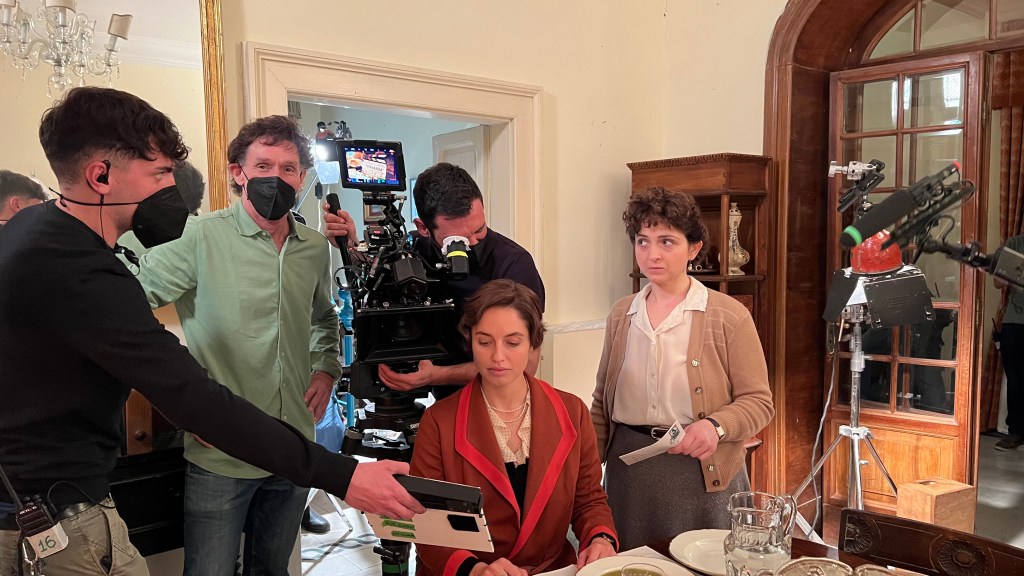
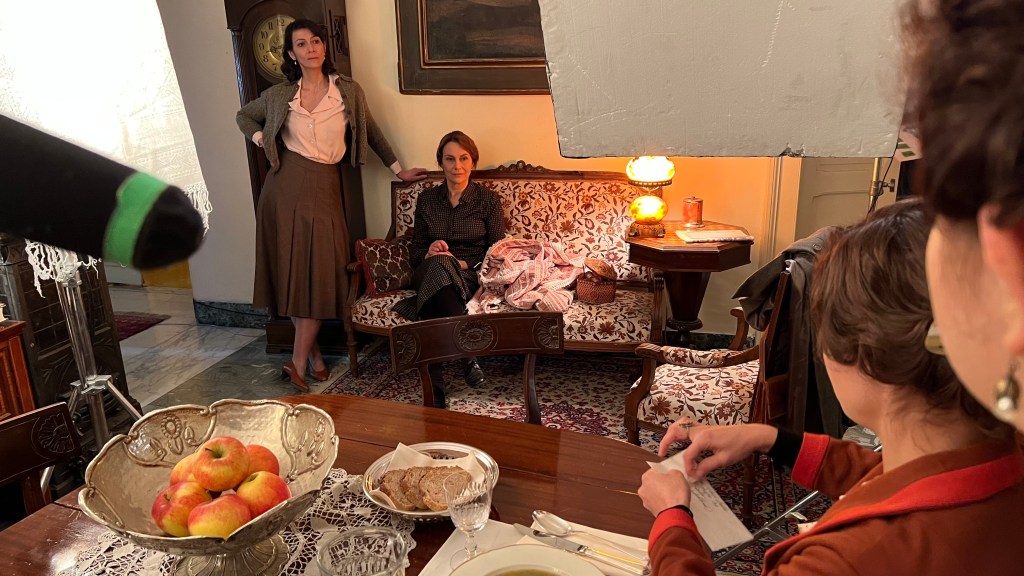
ISTANTANEE DAL SET © – MAGGIO/GIUGNO 2022

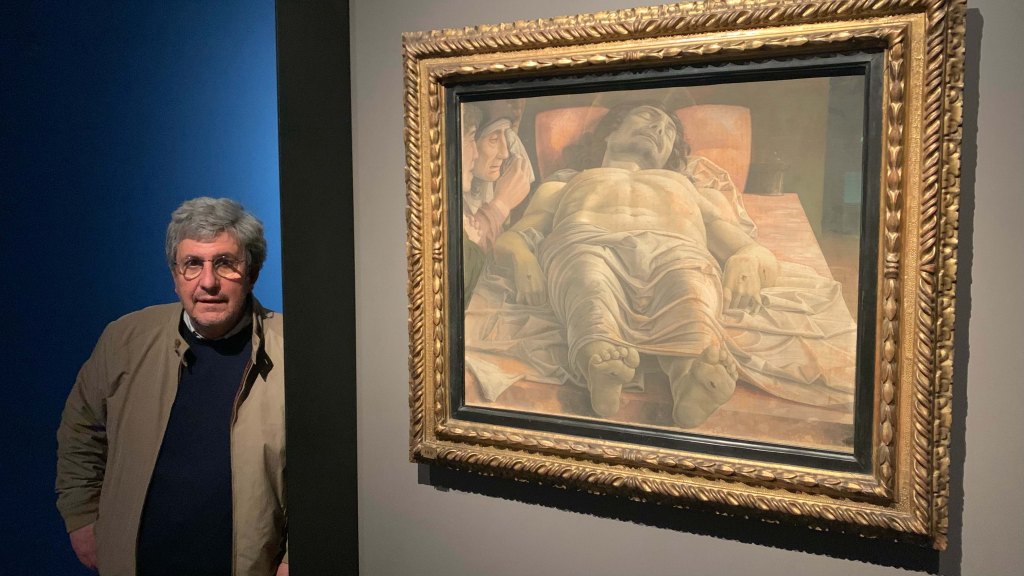
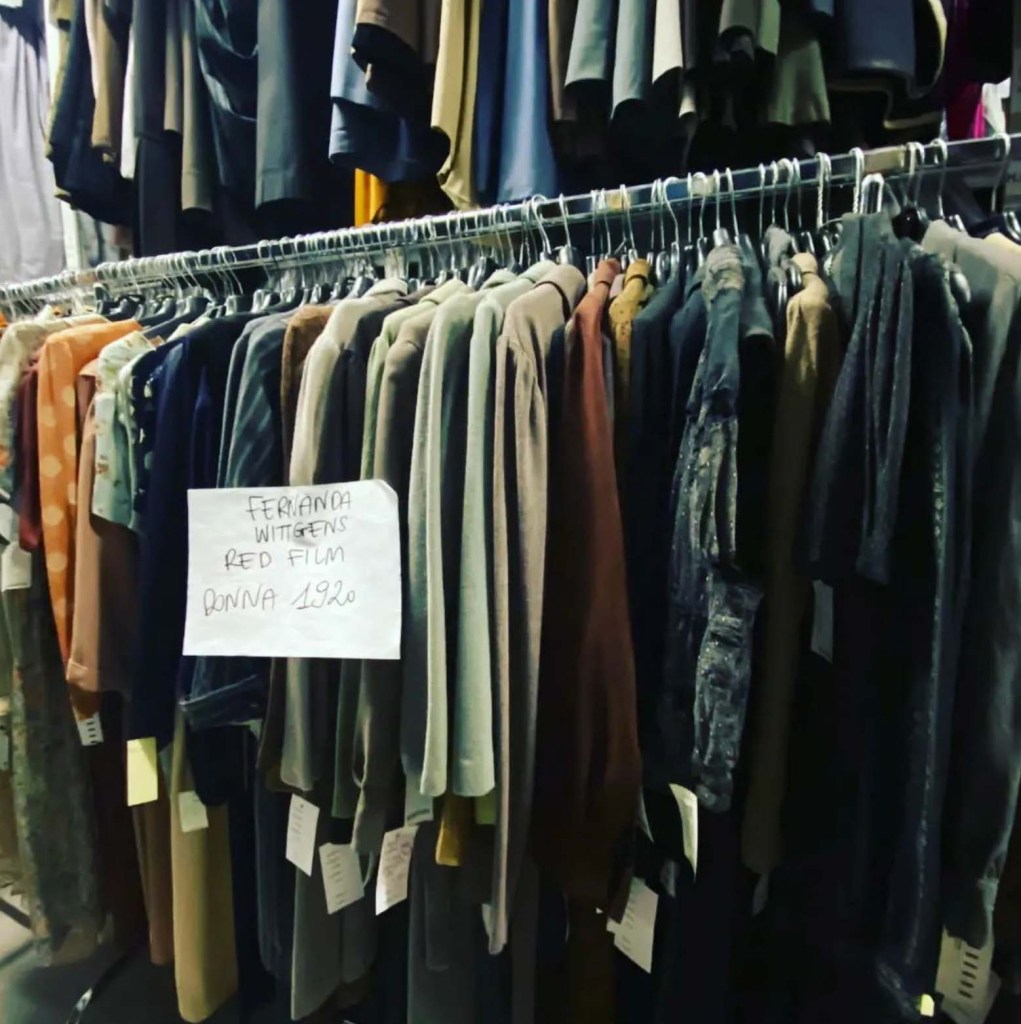
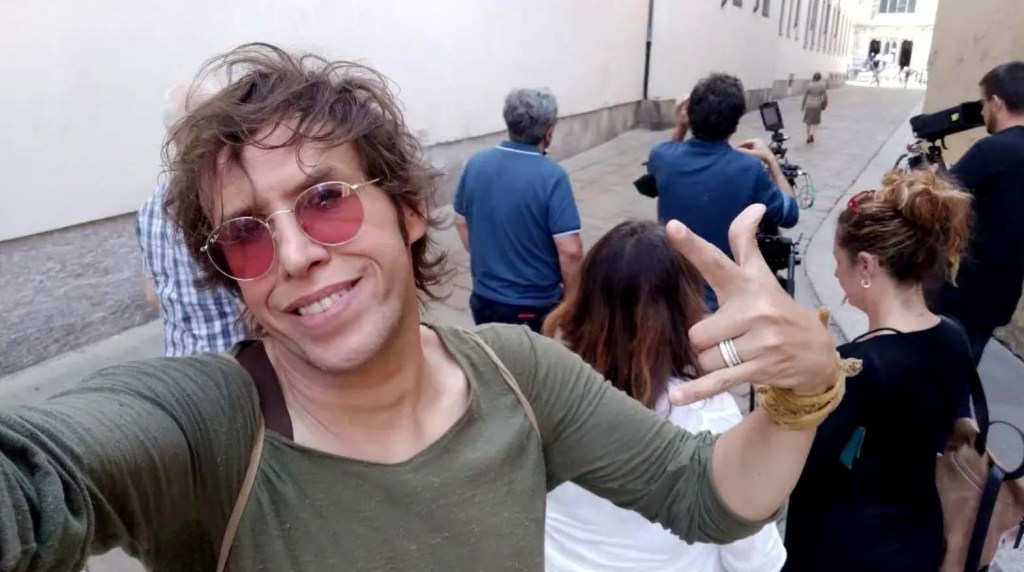
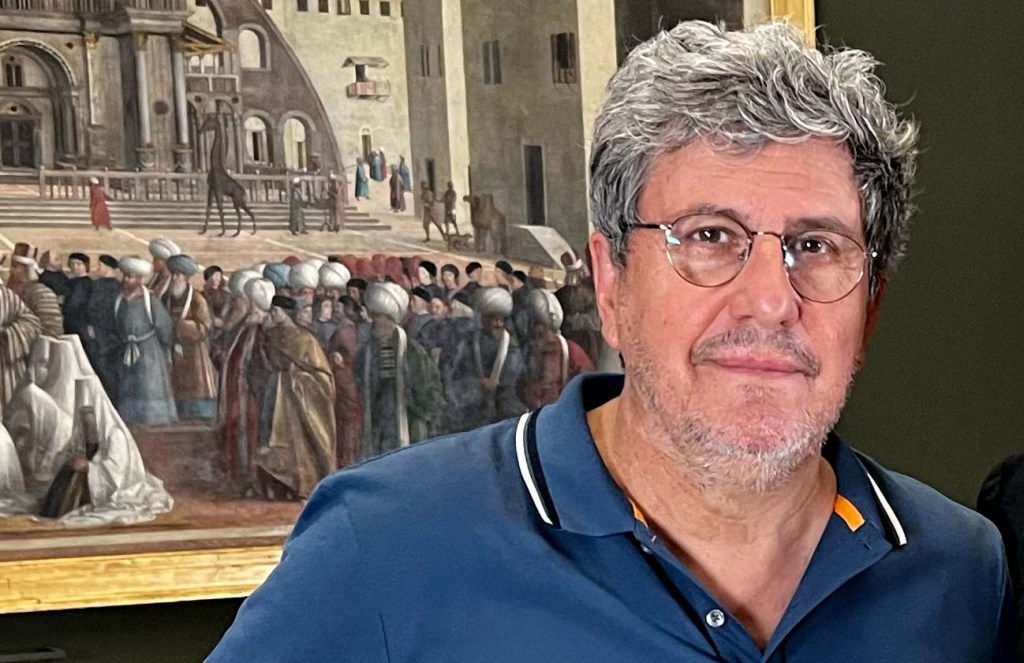
JOKING WITH FERNANDA
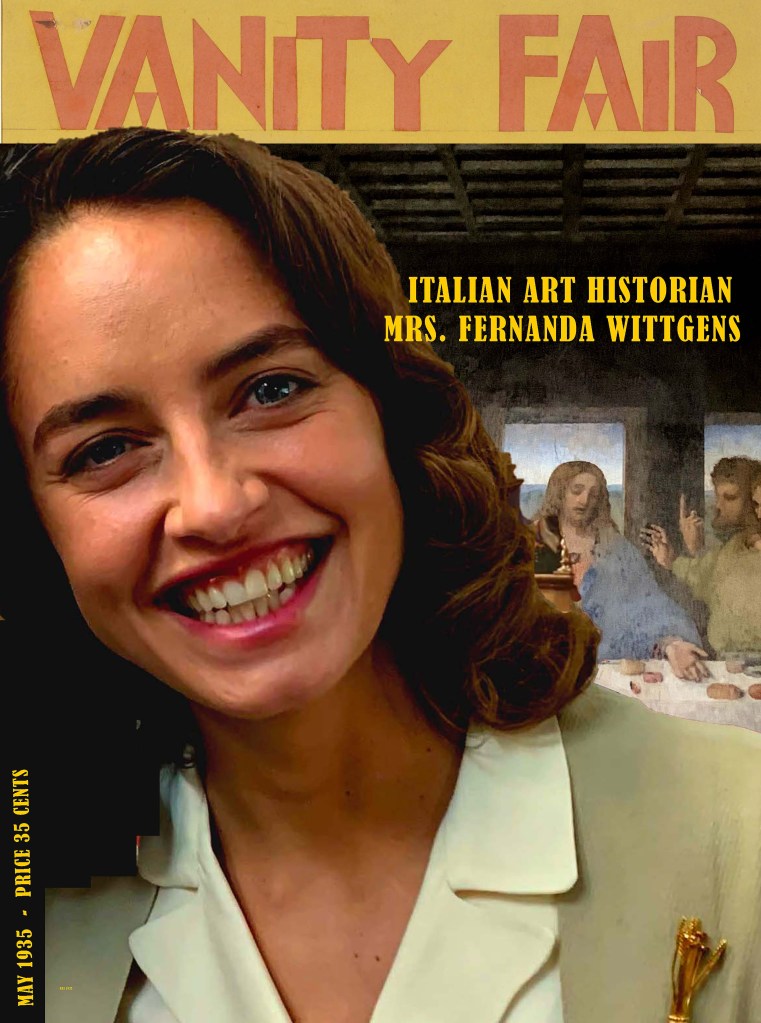
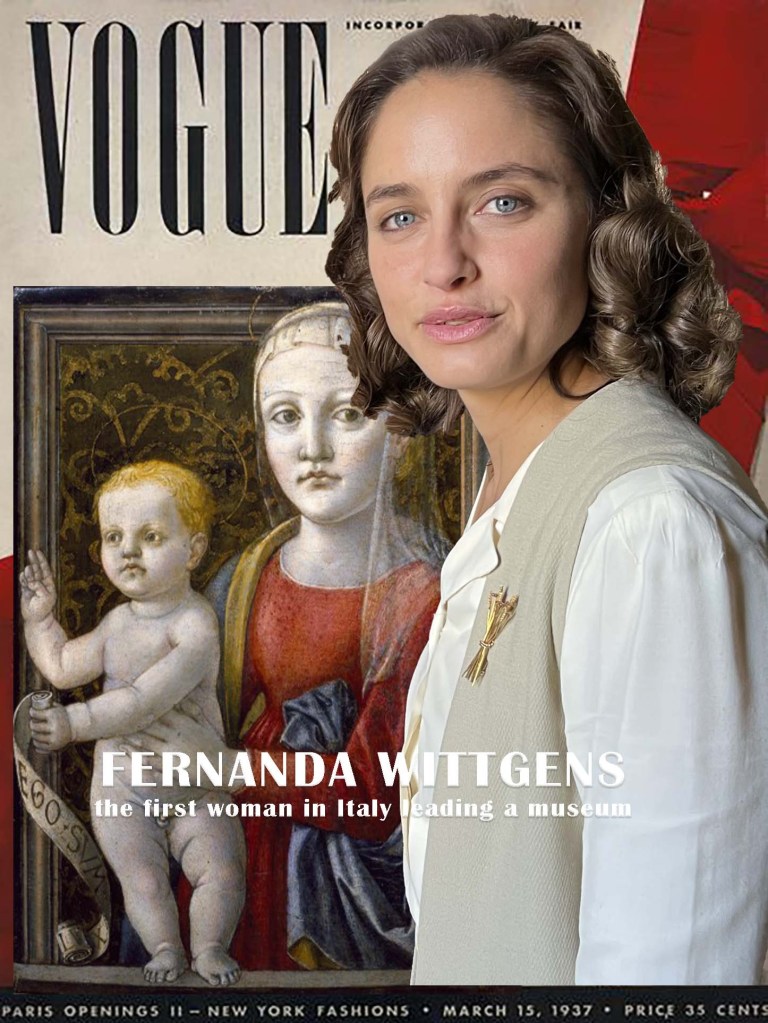
BRERA OFFICIAL WEBSITE
FERNANDA
Categorie

mauriziozaccaro Mostra tutti
Regista e sceneggiatore italiano.
Italian film director and screenplayer.
 MAURIZIO ZACCARO