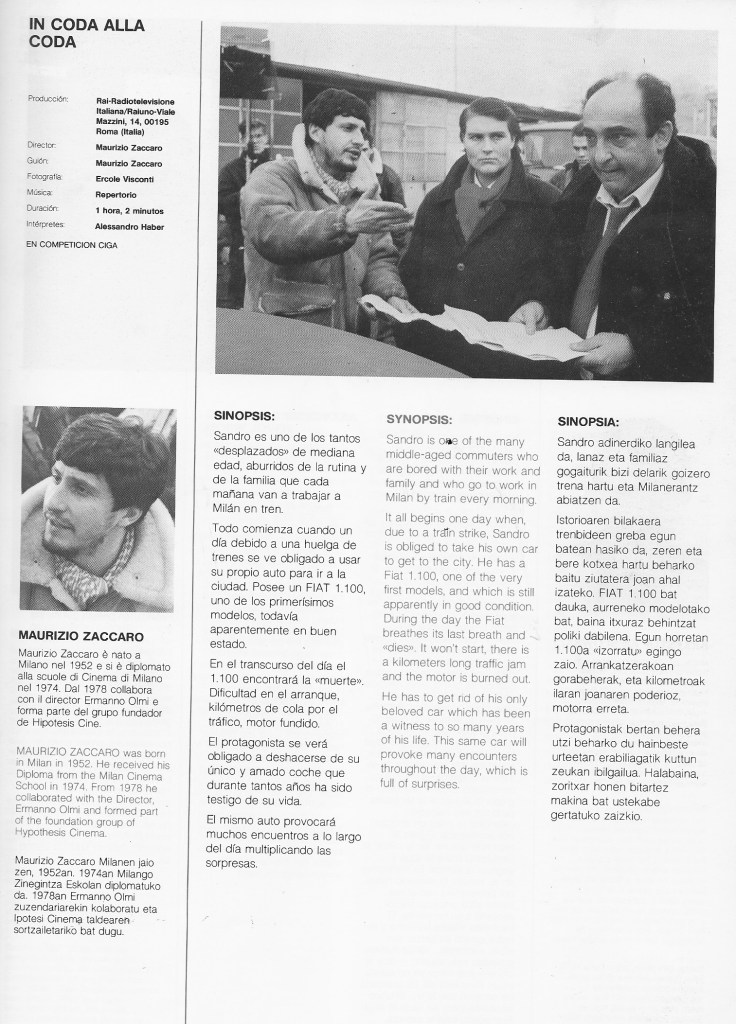
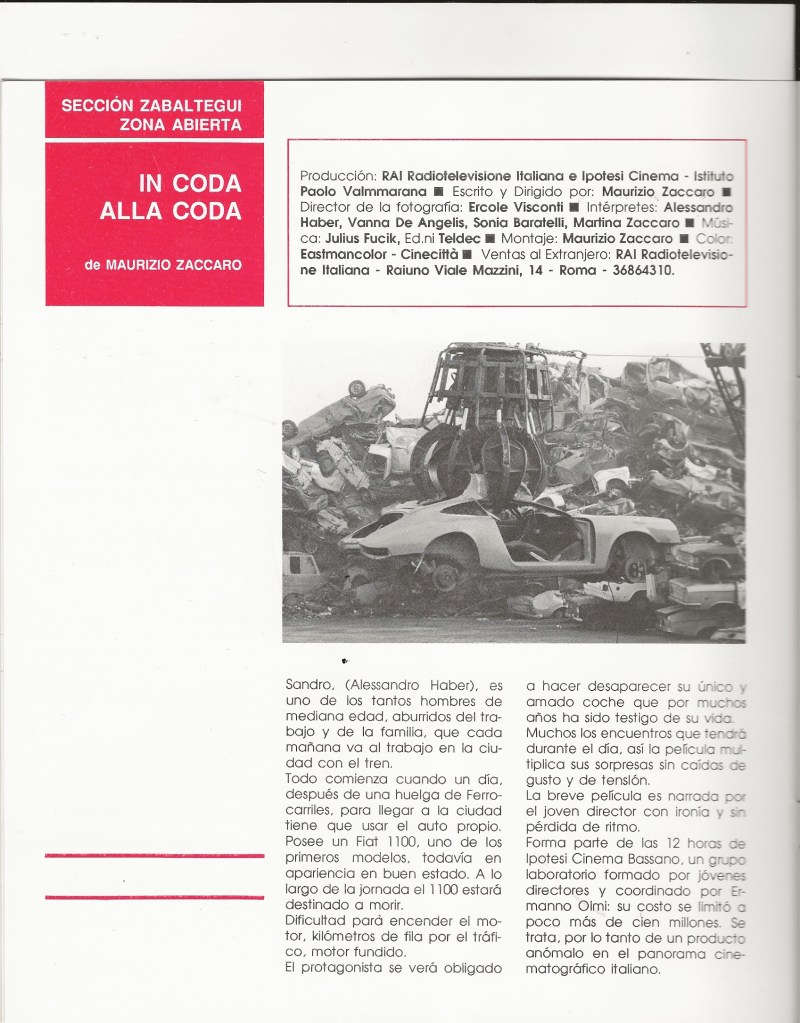
IN CODA ALLA CODA
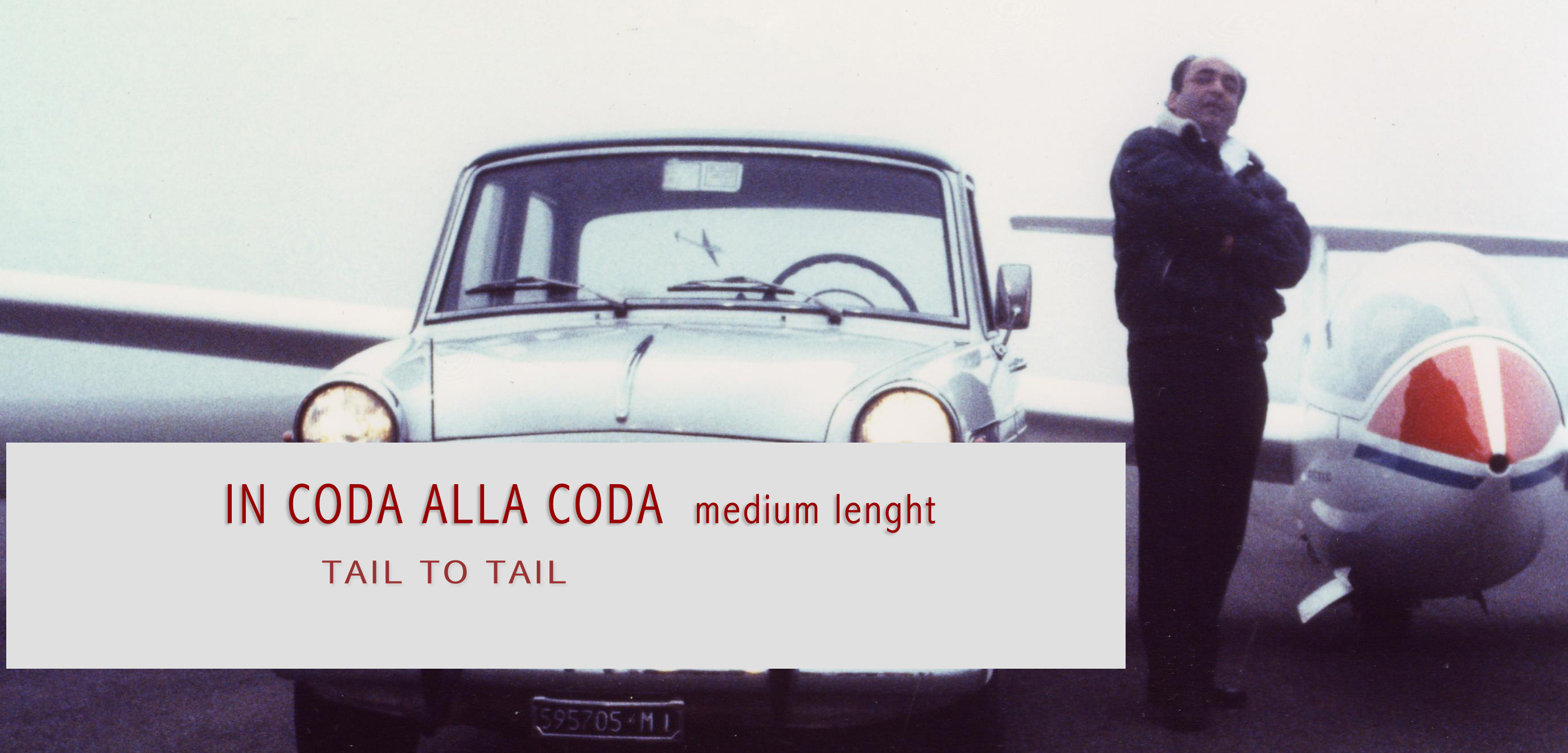


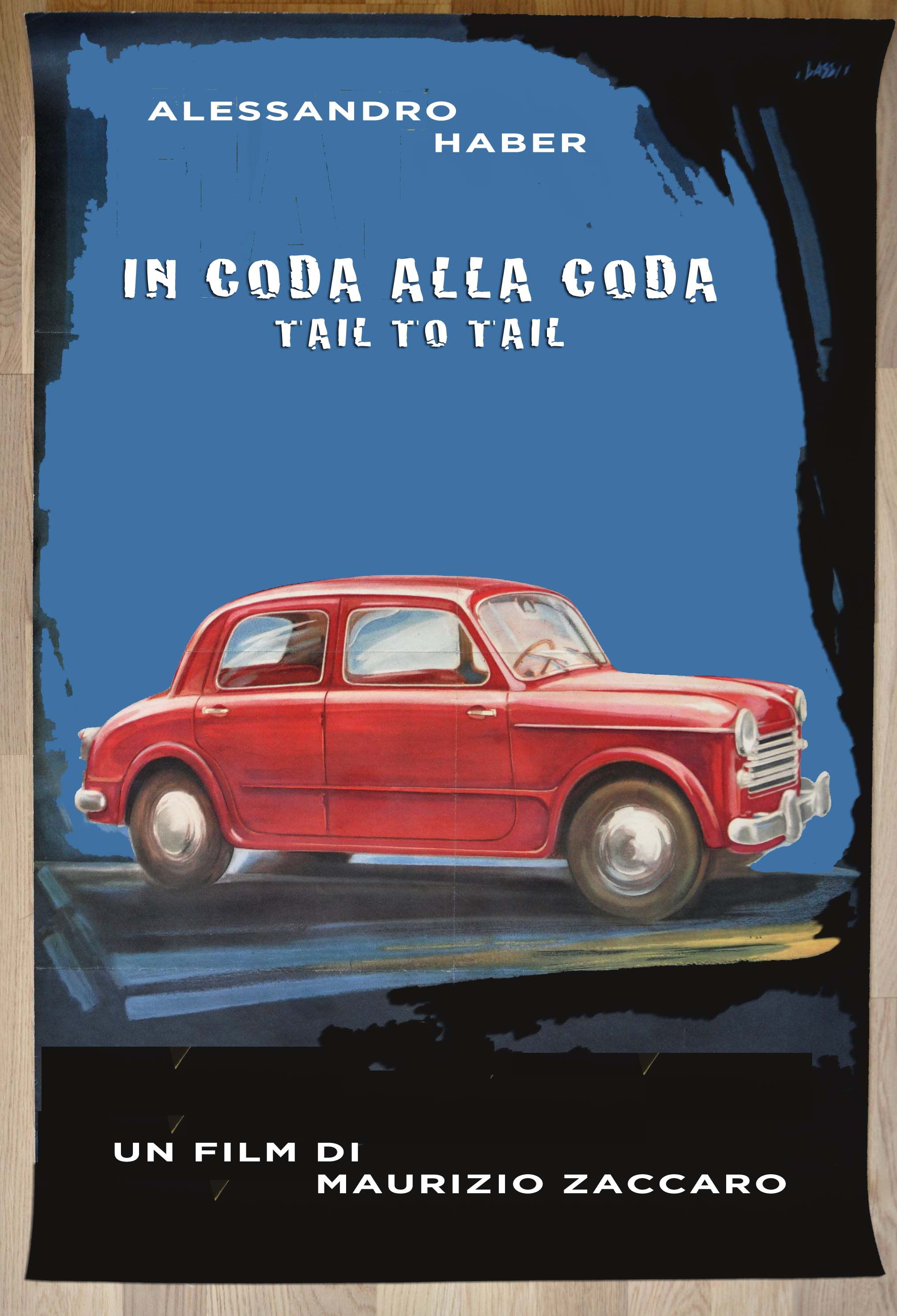
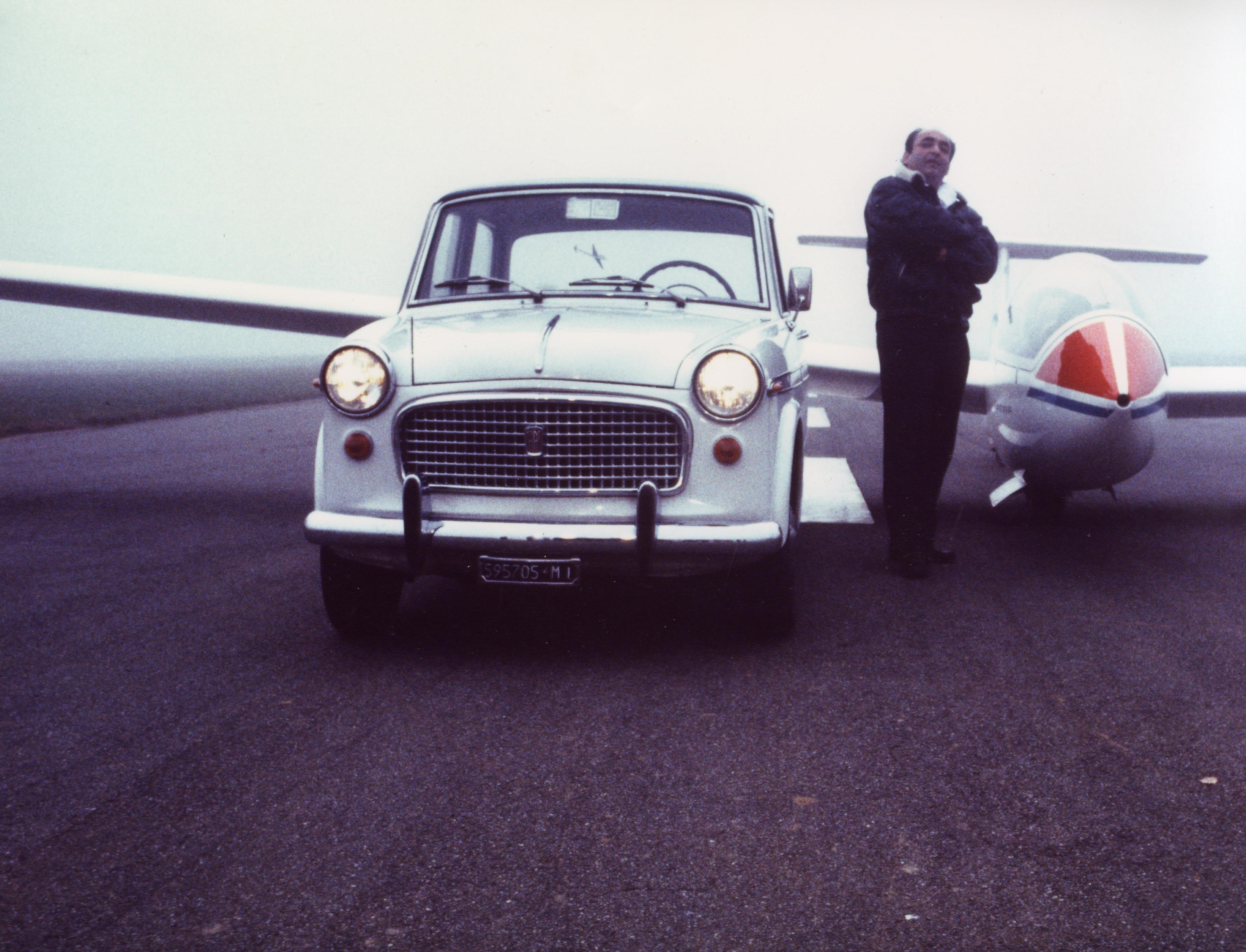
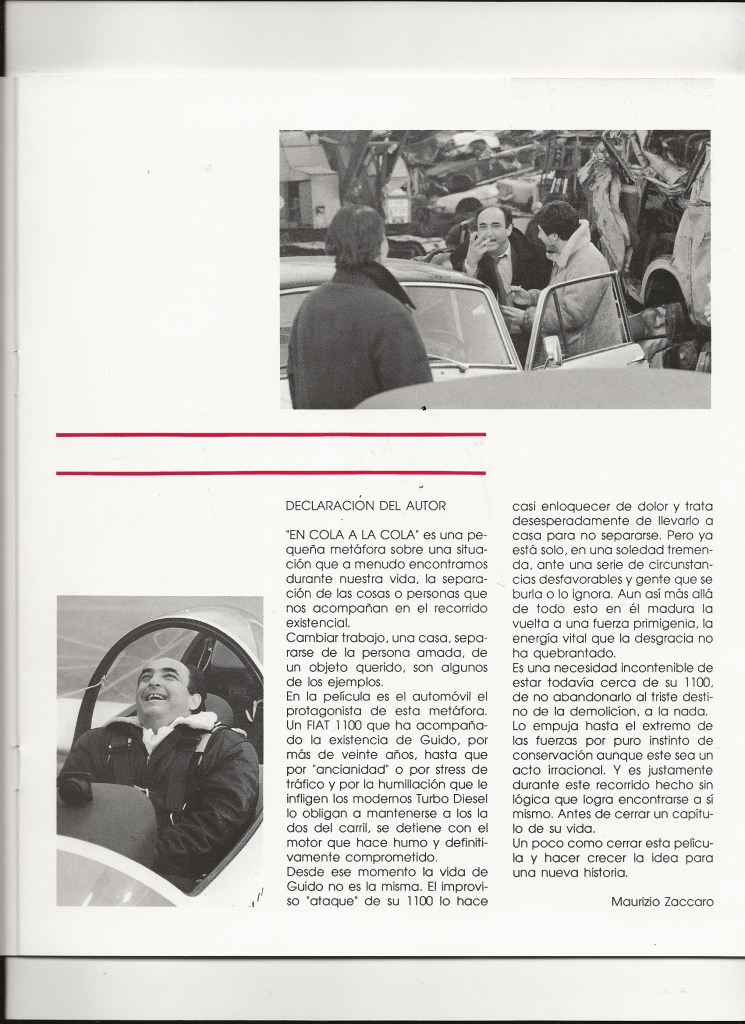
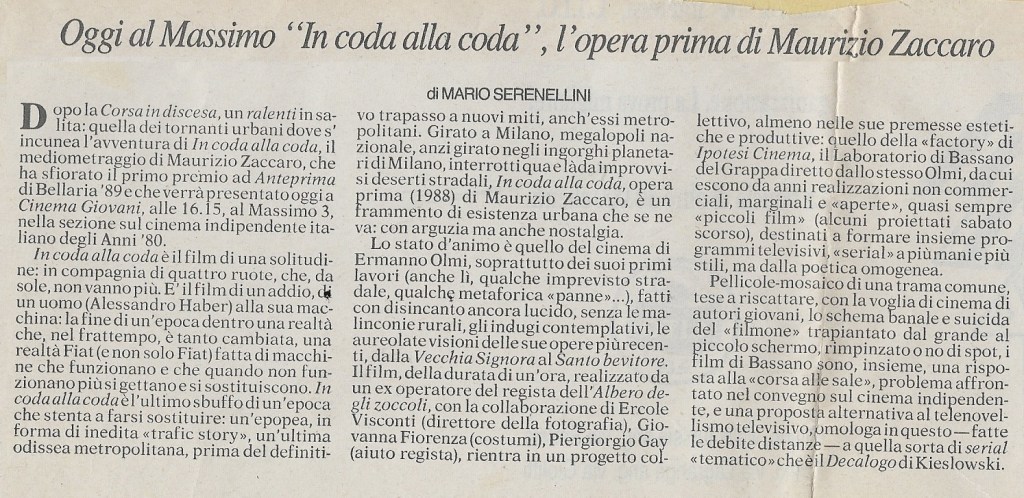
Guido, a bored commuter, takes the train to work. One day, a railway strike forces him to use his old and beloved Fiat 1100. The car is ruined when it gets stuck in a traffic jam and its engine melts. This is a disaster for Guido, since the car has witnessed his life and he feels like a part of him is dying with it. A special day in the life of a tranquil, urban pen-pusher which will drag him and his beloved “life partner” toward the brink
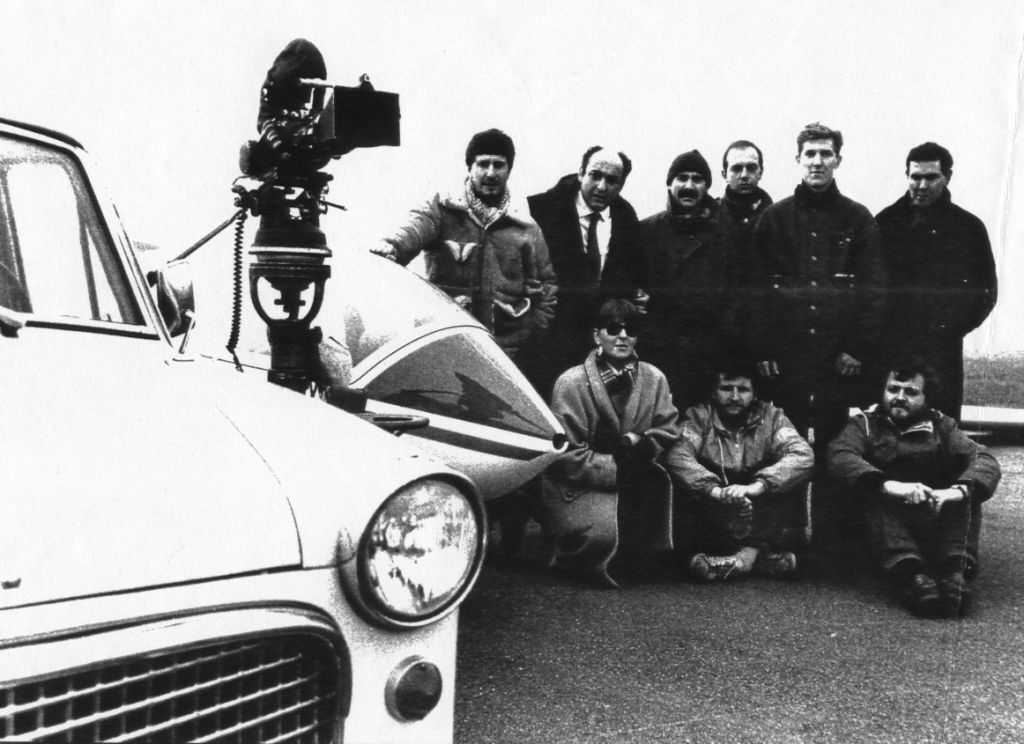
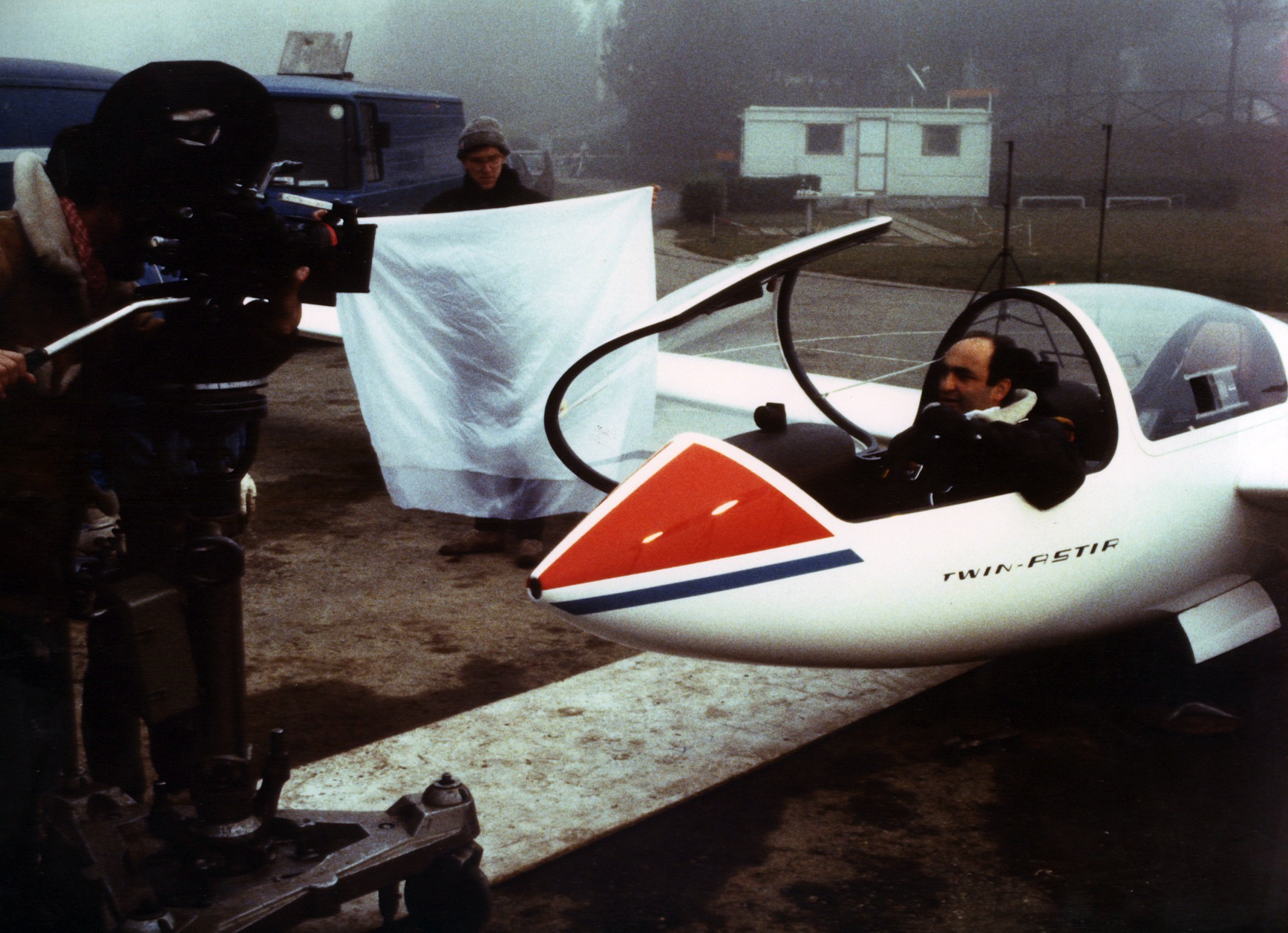
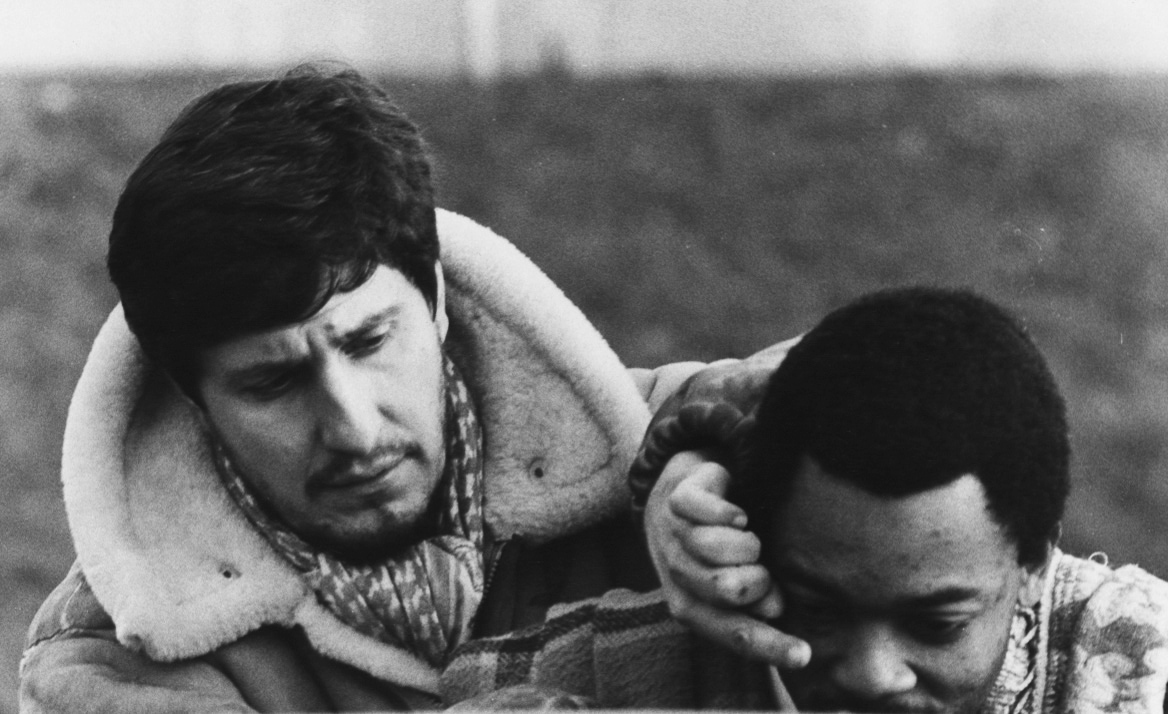
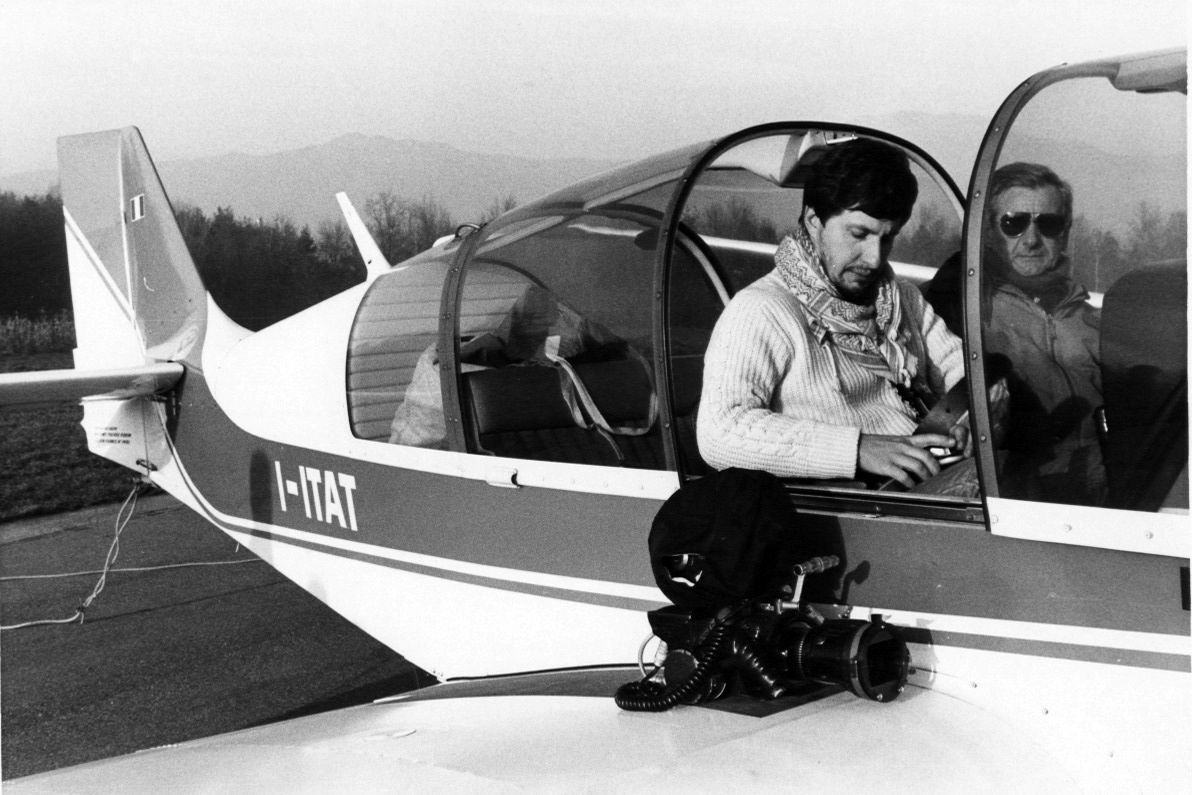
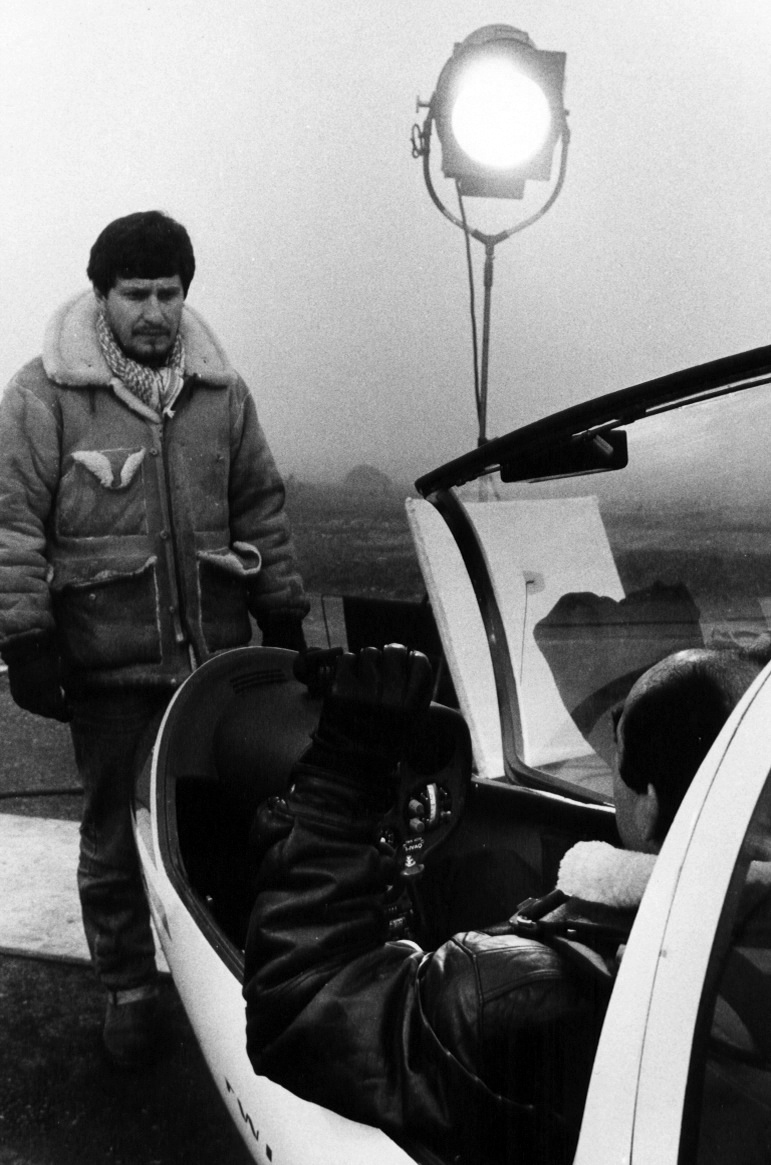
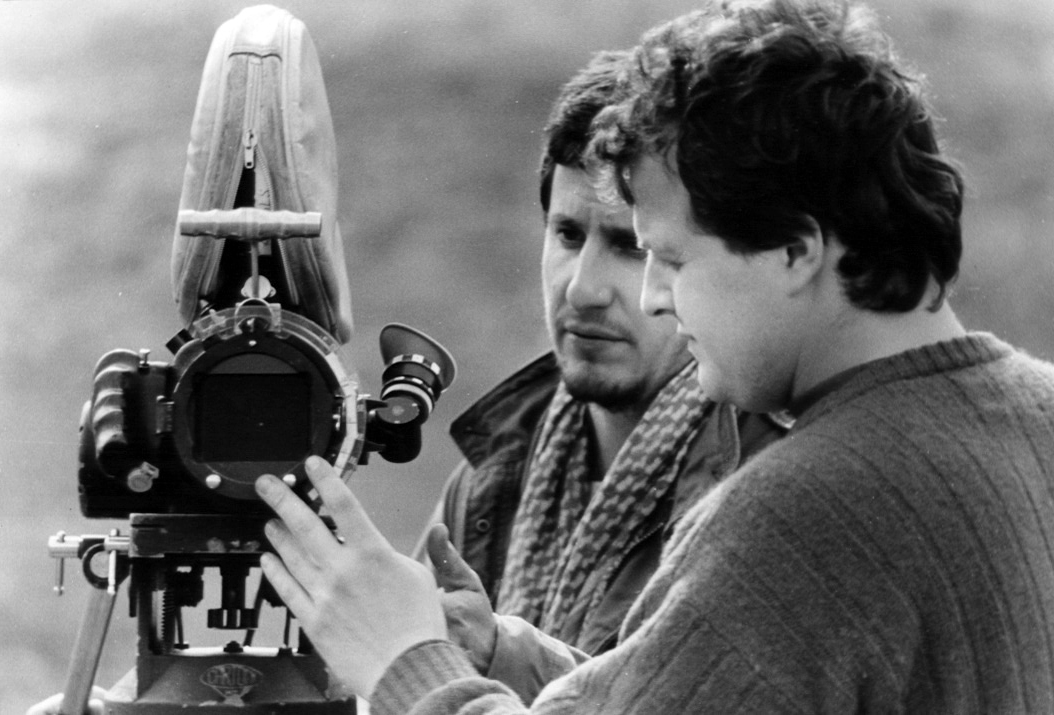
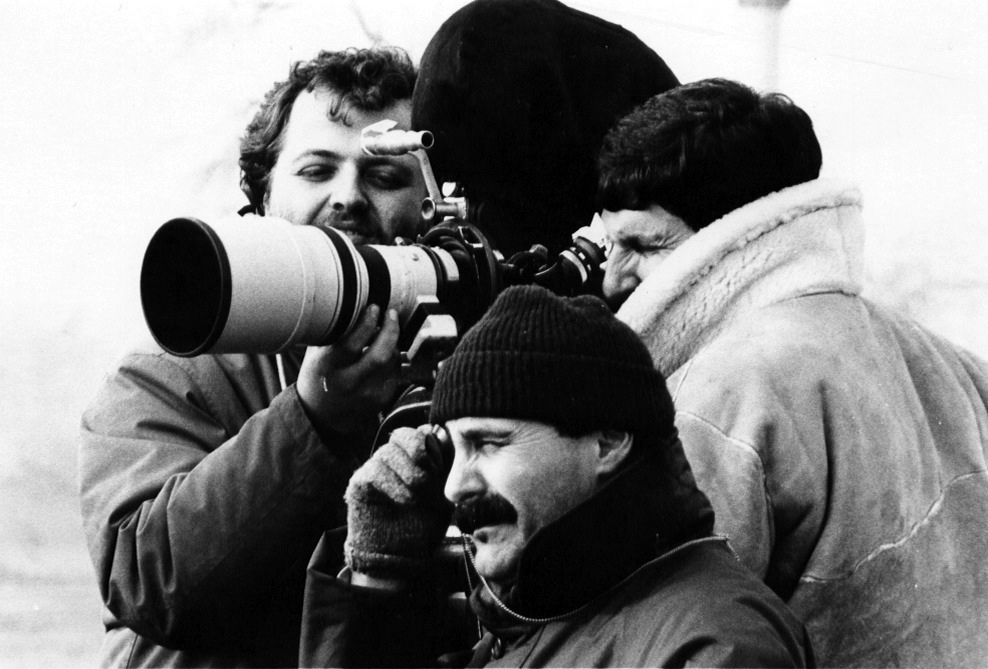
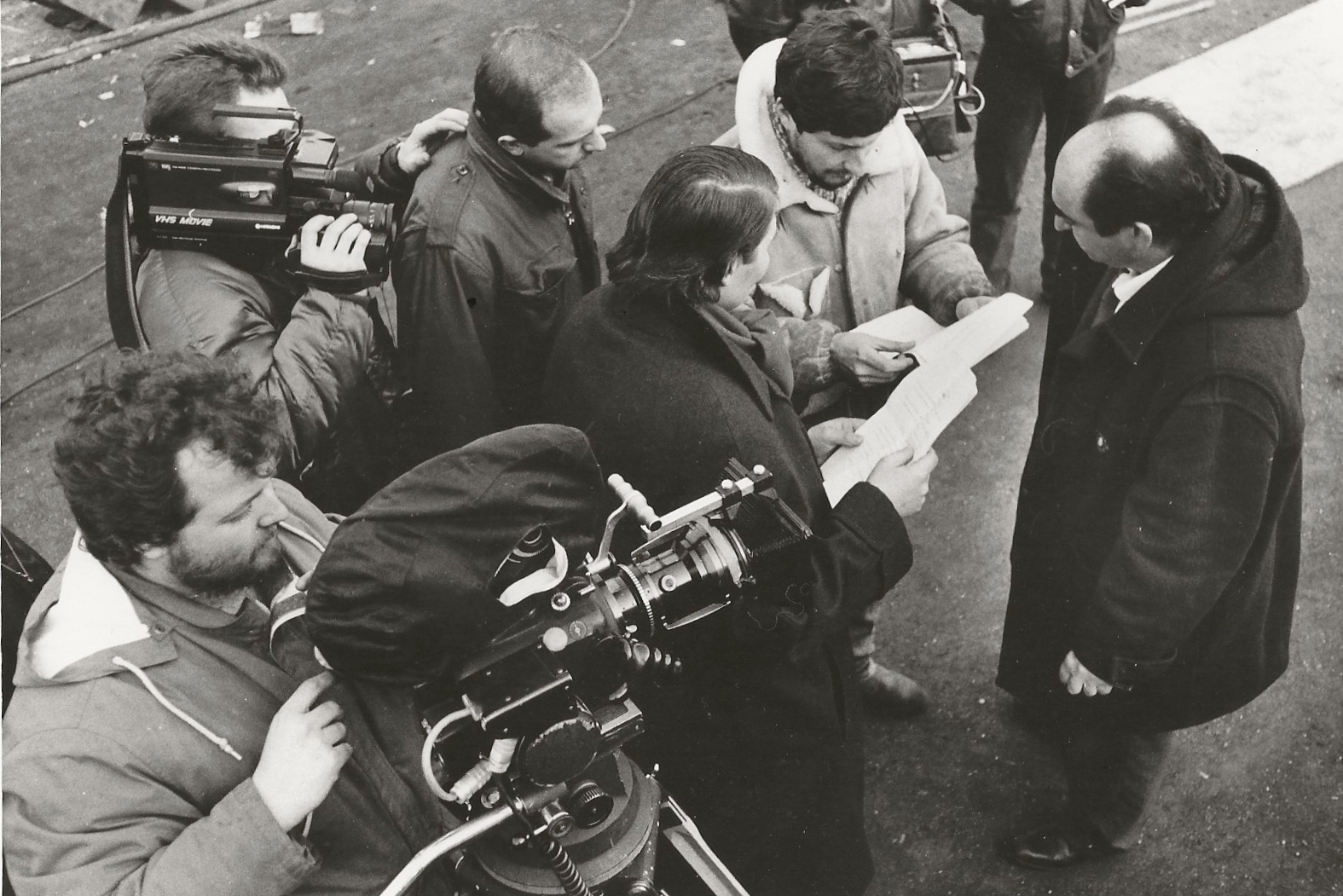
Si dice che i film realizzati non vanno mai più rivisti, e forse in questo c’è del vero. Infatti quando “In coda alla coda” viene riproposto in qualche retrospettiva, non posso fare a meno di pensare a Woody Allen: “Il mio primo film era così brutto che in sette Stati Americani aveva sostituito la pena di morte”. Tuttavia, bello o brutto, realizzato nell’inverno del 1987 a Milano, il film è stato comunque un buon viatico verso la professione che, all’epoca, tentavo d’intraprendere. Non avevamo soldi se non una manciata di milioni di lire elargiti da Ipotesi Cinema, non avevamo mezzi se non una macchina da presa, un po’ di pellicola, quattro luci e uno sgangherato carrello. E soprattutto non avevamo tempo perché avere tempo per fare bene il proprio lavoro è ancora oggi un lusso che non mi posso permettere. In poche parole “In coda alla coda” non sarebbe mai venuto al mondo se non fosse stato per la determinazione di quel “manipolo di amici”, veri e pazienti, che avevo messo insieme. Dodici in tutto, una “sporca dozzina” alla quale ancora oggi va tutta la mia riconoscenza e il mio affetto. Senza di loro, senza il loro aiuto e la loro incrollabile fiducia nel mio lavoro non sarebbe successo nulla di quello che invece è avvenuto dopo.
Maurizio Zaccaro
It is said that films made should never be seen again, and perhaps there is some truth in that. In fact, when “Tail to Tail” is shown again in some retrospective, I can’t help but think of Woody Allen: “My first film was so bad that in seven American states it had replaced the death penalty.” However, good or bad, made in the winter of 1987 in Milan, the film was still a good viaticum toward the profession I was trying to enter at the time. We had no money except a handful of millions of liras bestowed by Ipotesi Cinema, we had no means except a camera, some film, four lights and a rickety dolly. And above all, we had no time because having time to do one’s job well is still a luxury I cannot afford. In short, “Tail to Tail” would never have come into being if it had not been for the determination of the “handful of friends,” real and patient, that I had assembled. Twelve in all, a “dirty dozen” to whom to this day all my gratitude and affection goes. Without them, without their help and unwavering faith in my work, none of what happened next would have happened.
7° FESTIVAL INTERNAZIONALE CINEMA GIOVANI – TORINO
Spazio Aperto – Proposte 1989 – Uno sguardo sul cinema indipendente
La recensione su “In coda della coda”
fonte: Film – tv
La giornata sopra le righe di un uomo apparentemente comune.
In coda alla coda è un doppio esercizio di bravura: innanzitutto lo è per il protagonista, un Alessandro Haber mattattore perennemente in scena dalla prima all’ultima sequenza del film; e poi, naturalmente, è l’occasione per Maurizio Zaccaro, esordiente dietro la macchina da presa, di mostrare quanto appreso collaborando negli anni precedenti con Ermanno Olmi (con il quale il sodalizio artistico proseguirà nei successivi decenni). Classe 1952, non più giovanissimo quindi, Zaccaro attende il momento giusto per debuttare come regista e gli va riconosciuta la giustezza della scelta: questo lavoro, un mediometraggio della durata di un’ora tonda, è un’opera di pochi fronzoli che racconta con toni asciutti una vicenda perennemente sul ciglio del surreale con al centro un personaggio lunare, affidato con evidente lungimiranza al citato Haber. Il regista figura anche come sceneggiatore e gode qui della partnership produttiva della Rai; il suo secondo lavoro, questa volta un lungometraggio, arriverà due anni più tardi e sfoggerà un altro ‘endorsement’ non da poco: sarà infatti Dove comincia la notte, scritto da Pupi Avati.
In coda alla coda is a double exercise of cleverness first of all, it is for the protagonist, an Alessandro Haber mattattore perpetually on stage from the first to the last sequence of the film; and then, of course, it is an opportunity for Maurizio Zaccaro, a newcomer behind the camera, to show what he learned by collaborating in previous years with Ermanno Olmi (with whom the artistic partnership would continue over the following decades). Born in 1952, no longer very young then, Zaccaro waits for the right moment to make his debut as a director, and he must be credited with the rightness of the choice: this work, a medium-length film lasting an hour round, is a work of few frills that tells in dry tones an affair perpetually on the edge of the surreal with a lunar character at the center, entrusted with evident foresight to the aforementioned Haber. The director also figures as screenwriter and enjoys here the production partnership of Rai; his second work, this time a feature film, will come two years later and will sport another no small ‘endorsement’: it will in fact be Dove comincia la notte, written by Pupi Avati.


Categorie

mauriziozaccaro Mostra tutti
Regista e sceneggiatore italiano.
Italian film director and screenplayer.
 MAURIZIO ZACCARO